
Finding suppliers has never been easier. Finding reliable suppliers is much harder.
Directories, trade shows, Google searches, and B2B marketplaces can all produce hundreds of potential manufacturers in minutes. The challenge is knowing which ones can actually deliver. A polished website or a long list of certifications doesn't necessarily mean a supplier has the experience, capacity, or consistency your business needs.
This is where import data becomes a powerful sourcing tool. Instead of relying on what suppliers say about themselves, you can evaluate what they've actually done. Customs records reveal real shipments, real customers, and real trading activity, giving you evidence that supports smarter sourcing decisions.
Import data isn't a replacement for factory audits or supplier qualification. But it helps you narrow your search faster, ask better questions, and reduce supplier risk before you spend time negotiating or requesting samples.
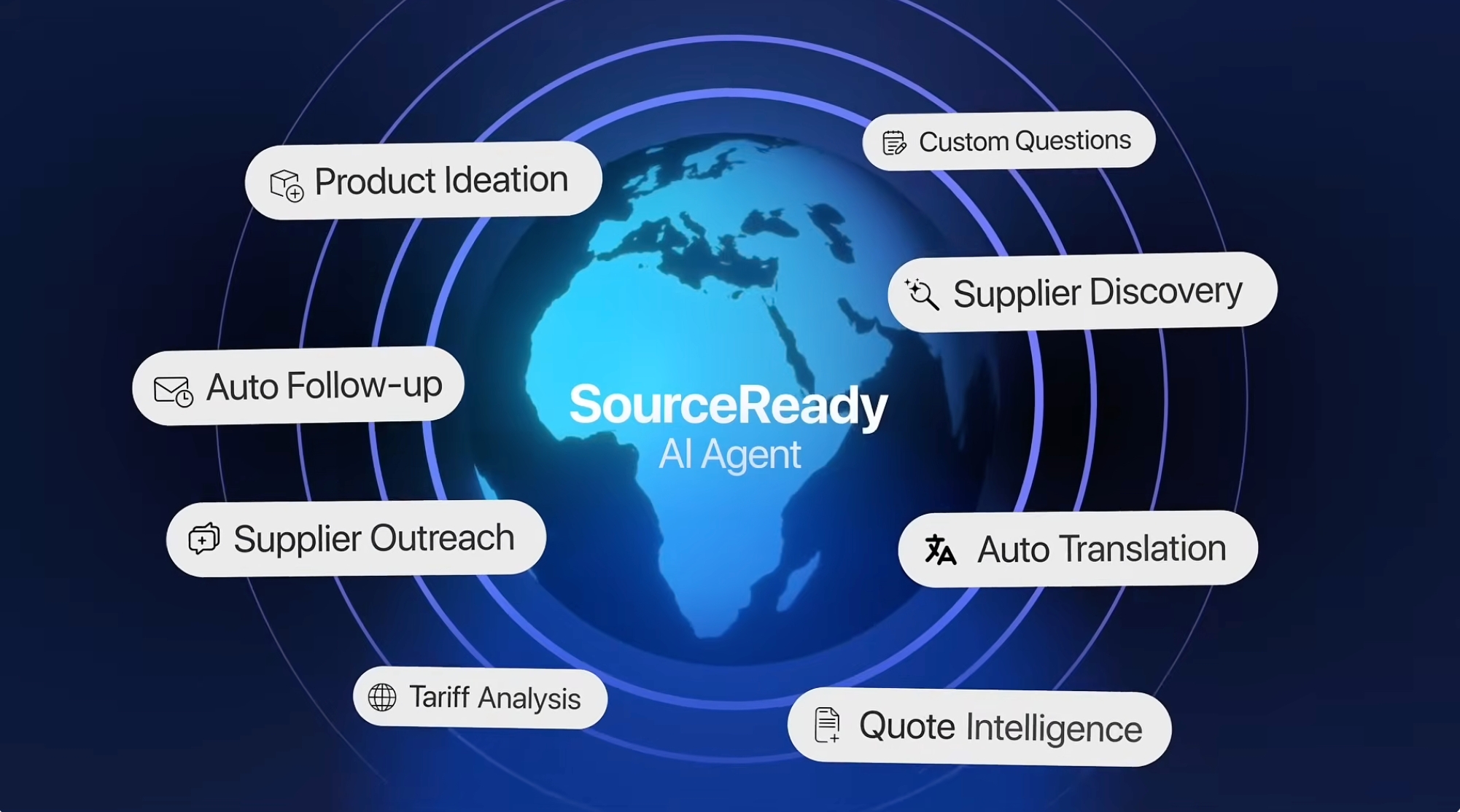
There's a better way to source ❤️
Watch the video to see how SourceReady helps brands move from product ideas to trusted supplier relationships faster
Watch the VideoWhat Can Import Data Actually Tell You About a Supplier?
Every international shipment creates a customs record. Depending on the country, these records may include the exporter, importer, product description, shipment date, destination market, and HS code. While the level of detail varies by jurisdiction, the underlying value is the same: import data reflects real commercial activity, not marketing claims.
For procurement teams, this changes the conversation. Instead of asking whether a supplier can manufacture your product, you can first determine whether they already do.
A supplier with thousands of shipments over several years generally presents a very different risk profile than one with only a handful of recent exports. Likewise, a factory shipping the same product to the same customers month after month demonstrates a level of operational consistency that's difficult to fake.
When reviewing import data, pay particular attention to:
- Export history: A longer and more consistent shipment history usually indicates greater manufacturing experience.
- Customer relationships: Repeat shipments to the same importer often suggest strong customer retention and reliable performance.
- Product specialization: Consistent exports within one product category are usually a better indicator of expertise than a supplier selling dozens of unrelated products.
- Destination markets: Existing exports to your country may mean the supplier already understands your market's regulations, documentation, and logistics.
These indicators don't automatically make one supplier better than another, but together they provide an evidence-based picture of operational maturity.
Import data can also uncover information that suppliers may not actively promote. For example, you might discover that a factory primarily exports to Europe despite advertising itself as a U.S. specialist, or that a supplier claiming extensive manufacturing experience has only recently begun exporting. Those insights help you validate supplier claims before investing additional time in qualification.
How Do Experienced Buyers Use Import Data During Supplier Selection?
Experienced sourcing professionals rarely use import data in isolation. Instead, they use it to answer specific questions throughout the supplier selection process.
One of the most valuable applications is competitor sourcing research. If you know which brands or retailers dominate your market, import records can often reveal the factories behind those products. Rather than starting your supplier search from scratch, you begin with manufacturers that have already demonstrated the ability to serve successful businesses.
Import data also helps prioritize supplier outreach. Instead of contacting hundreds of factories listed in a directory, you can focus on companies that already meet your basic sourcing criteria, such as recent export activity, product specialization, or experience shipping to your target market.
As you compare suppliers, shipment patterns often tell a more meaningful story than company brochures.
Import data can also reveal opportunities that traditional supplier directories overlook. Many excellent manufacturers invest very little in digital marketing, making them difficult to find through Google or B2B marketplaces. However, if they're exporting regularly, they'll often appear in customs records alongside much larger competitors.
Another advantage is benchmarking. Suppose you're evaluating three potential suppliers with similar pricing. Shipment history can provide additional context that pricing alone cannot.
For example, you might discover that one supplier:
- Exports year-round: Suggesting stable production capacity rather than seasonal availability.
- Ships to multiple Fortune 500 customers: Indicating experience meeting demanding procurement standards.
- Maintains long-term buyer relationships: Providing additional confidence beyond a simple quotation.
These insights help you spend more time evaluating qualified suppliers and less time screening companies that are unlikely to meet your requirements.
What Can't Import Data Tell You?
Import data is one of the most valuable sources of supplier intelligence available, but it isn't a complete picture. Customs records show what has happened in a supplier's trading history—not everything about how they operate today. Understanding these limitations helps you use import data more effectively and avoid drawing the wrong conclusions.
The biggest gaps include:
- Product quality: Shipment records can't tell you whether products consistently met quality standards or whether customers were satisfied. You'll still need factory audits, product samples, inspections, and quality certifications before making a sourcing decision.
- Why customer relationships changed: Import data may show that shipments stopped, but it won't explain why. A buyer could have switched suppliers because of pricing, quality issues, capacity constraints, or simply a change in sourcing strategy.
- Whether the exporter is the manufacturer: Not every company listed in customs records owns a factory. Some are trading companies, export agents, or intermediaries. Always verify who will actually manufacture your products before moving forward.
- Complete global visibility: Customs transparency varies by country. Some governments publish detailed shipment information, while others restrict or anonymize importer and exporter data. As a result, import data is more comprehensive in some sourcing markets than others.
Import data should be viewed as the starting point for supplier due diligence, not the final decision-making tool. Once you've identified promising suppliers, validate them using factory audits, certification checks, commercial discussions, and broader supply chain risk assessments. The strongest sourcing decisions combine multiple sources of intelligence rather than relying on any single dataset.
How Can SourceReady Combine AI and Import Data to Help You Find Better Suppliers?
Import data is incredibly valuable—but on its own, it's difficult to use effectively. Procurement teams often spend hours searching customs databases, cross-referencing supplier directories, reviewing certifications, checking compliance records, and researching competitors before they can confidently shortlist a supplier.
SourceReady brings all of that intelligence together in a single AI-powered sourcing platform.
Instead of treating import data as a standalone dataset, SourceReady combines it with supplier intelligence from more than 40 global data sources, including supplier directories, trade shows, compliance databases, company records, tariffs, commodity prices, and supply chain risk signals. AI then connects these data points to give you a much more complete view of every supplier.
This allows you to answer sourcing questions that import data alone cannot.
For example, you can use SourceReady to:
- Discover qualified suppliers faster: Search across import records, supplier databases, and trade show exhibitors simultaneously instead of researching each source separately.
- Validate supplier credibility: Compare shipment history alongside certifications, manufacturing capabilities, company information, and export experience to verify supplier claims.
- Benchmark competitors: Identify which factories your competitors are using, analyze their sourcing footprint, and uncover alternative manufacturers with similar capabilities.
- Monitor sourcing risks: Combine import activity with tariff changes, commodity prices, sanctions, geopolitical developments, and compliance data to identify potential supply chain disruptions before they affect your business.
- Automate supplier outreach: Once you've identified qualified suppliers, use AI to generate RFQs, automate follow-ups, compare quotations, and streamline supplier communication.
Because SourceReady continuously combines internal sourcing data with external market intelligence, every supplier profile becomes richer over time. Rather than reviewing isolated shipment records, you gain a complete sourcing picture—from manufacturing capability and export history to market position, operational risk, and competitive insights.
The result is a faster, more data-driven sourcing process. Instead of manually stitching together information from multiple research tools, your team can spend more time evaluating suppliers and negotiating better partnerships, and less time gathering data.
Conclusion
Import data helps you move beyond supplier marketing and make sourcing decisions based on real trade activity. By verifying export history, identifying established customer relationships, and uncovering specialized manufacturers, you can build a stronger supplier shortlist while reducing sourcing risk. The greatest value comes from combining import data with supplier verification, compliance checks, and broader market intelligence to create a complete picture before making a decision.
AI-powered sourcing platforms such as SourceReady make this process more efficient by bringing import data, supplier intelligence, competitor research, and risk monitoring together in one place. As global supply chains become increasingly complex, leveraging data-driven sourcing tools can help procurement teams make faster, more informed, and more confident supplier decisions.
FAQ
1. Is import data publicly available?
In many countries, yes. Several governments publish customs records or make trade data available through commercial providers. However, the level of detail varies by country, and some jurisdictions restrict or anonymize importer and exporter information.
2. What's the difference between import data and export data?
Import data records goods entering a country, while export data records goods leaving one. Depending on the country and data provider, either dataset can be used to analyze international trade, supplier activity, and sourcing opportunities.

Find the sourcing tools you need.
Explore how SourceReady helps you research products, discover suppliers, verify factory information, analyze trade data, and manage your sourcing workflow in one place
Explore Features
Graduating from USC with a background in business and marketing, Judy Chen has spent over a decade working in e-commerce, specializing in sourcing and supplier management. Her experience includes developing strategies to optimize supplier relationships and streamline procurement processes for growing businesses. As SourceReady’s blog writer, Judy leverages her deep understanding of sourcing challenges to create insightful content that helps readers navigate the complexities of global supply chains.


