
Pakistan is a serious sourcing market if you know where to look. The country exported roughly $30.1 billion in merchandise during FY2025–26, according to provisional Pakistan Bureau of Statistics data. Textiles and apparel remain central to that export base, alongside sporting goods, leather products, surgical instruments, rice, and other manufactured products.
But sourcing from Pakistan still requires proper due diligence. Supplier quality varies. Some factories are sophisticated exporters with strong compliance systems, while others rely heavily on subcontracting or lack consistent quality control.
If you are considering Pakistan, focus on categories where the country already has deep manufacturing expertise. Then verify the supplier, production process, compliance records, and export capabilities before placing meaningful volume.
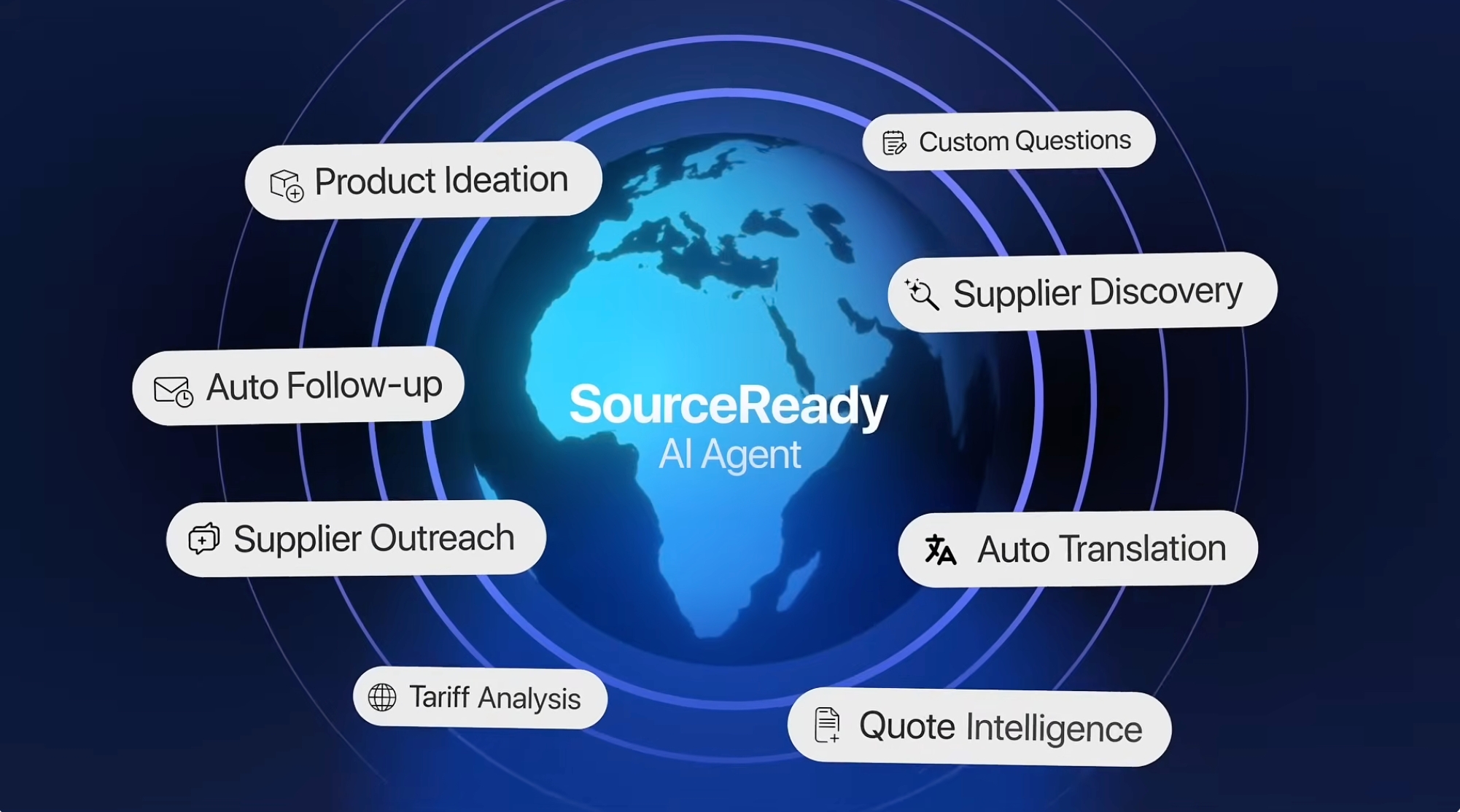
There's a better way to source ❤️
Watch the video to see how SourceReady helps brands move from product ideas to trusted supplier relationships faster
Watch the VideoWhy Should You Source from Pakistan?
A Vertically Integrated Textile Supply Chain
One of Pakistan’s biggest advantages is its vertically integrated textile ecosystem. In many cases, raw material processing, spinning, weaving, dyeing, finishing, and garment production can all happen within the same regional supply chain. This can reduce coordination issues and give you better visibility over production.
- Domestic cotton supply: Pakistan has a large cotton industry that supports yarn, fabric, apparel, towels, bedding, and other textile products.
- Integrated textile production: Many suppliers have access to spinning, weaving, knitting, dyeing, finishing, cutting, and sewing capabilities within the same manufacturing cluster.
- Fewer supply-chain handoffs: A more integrated production chain can reduce the number of external suppliers involved in your order.
- Better material control: You can often work more directly with suppliers on fabric construction, GSM, yarn count, finishes, and color requirements.
- Shorter development cycles: When fabric and garment production are located close together, sampling and product adjustments can move faster.
Competitive Manufacturing Costs
Pakistan can be cost-competitive, particularly in labor-intensive and cotton-based products. Competitive labor costs, domestic raw materials, and established manufacturing infrastructure can give suppliers a strong cost position.
However, you should compare total landed cost rather than focusing only on the factory quotation.
- Competitive labor costs: Factory-worker salaries in Pakistan typically range from PKR 40,000–65,000 per month ($143–$232), compared with roughly $294–$350 per month in Vietnam. This gives Pakistan a cost advantage for labor-intensive products, although wages vary by region, skill level, and factory.
- Local raw materials: Domestic cotton and leather availability can reduce reliance on imported inputs for certain products.
- Strong export infrastructure: Experienced exporters already understand international packaging, documentation, inspection, and shipping requirements.
- Flexible order structures: Some suppliers are willing to work with smaller or mid-sized buyers, depending on the product and factory.
- Total cost matters: Freight, duties, testing, inspections, defects, delays, and rework should all be included when comparing suppliers.
Specialized Manufacturing Clusters
Pakistan’s manufacturing industry is concentrated in several specialized regions. This clustering gives buyers access to suppliers, subcontractors, raw materials, skilled workers, and logistics providers within relatively compact areas.
Knowing these clusters can make supplier discovery much more targeted.
- Faisalabad: Strong in textiles, yarn, woven fabrics, home textiles, towels, and apparel.
- Karachi: Strong in garments, textiles, leather goods, engineering products, food processing, and export manufacturing.
- Lahore: Strong in garments, fashion products, leather products, light engineering, and consumer goods.
- Sialkot: Globally known for sporting goods, footballs, gloves, sportswear, and surgical instruments.
- Gujranwala: Known for metal products, cookware, ceramics, electrical goods, and light engineering.
What Categories Is Pakistan Strong at Manufacturing?
Pakistan performs best in categories supported by established raw materials, manufacturing skills, and export infrastructure. Buyers should generally prioritize these areas rather than treating Pakistan as a universal manufacturing alternative.
Pakistan’s Strongest Manufacturing Categories
- Textiles: Pakistan is highly competitive in cotton yarn, woven fabrics, knitted fabrics, denim, and textile processing.
- Apparel: Common products include T-shirts, hoodies, denim garments, workwear, uniforms, socks, knitwear, and sportswear.
- Home textiles: Pakistan has strong capabilities in towels, bedsheets, bedding sets, bath textiles, kitchen textiles, and hotel linens.
- Sporting goods: The country is widely estimated to produce around 70% of the world’s footballs, with especially strong capabilities in hand-stitched balls. Sialkot is a major global manufacturing cluster for footballs, cricket equipment, field-hockey equipment, sports gloves, protective gear, training products, and other sporting accessories.
- Leather goods: Suppliers manufacture leather gloves, jackets, belts, bags, wallets, footwear components, and accessories.
- Surgical instruments: Pakistan has an established manufacturing base for surgical, dental, veterinary, and medical instruments.
- Rice and food products: Pakistan is a major exporter of rice, particularly basmati rice, alongside other agricultural and processed food products.
- Carpets and rugs: Handmade carpets, rugs, and traditional textile products remain established export categories.
- Metal and light engineering products: Selected factories manufacture cookware, cutlery, tools, automotive components, and industrial parts.
What Should You Watch Out for When Sourcing from Pakistan?
Supplier Verification and Subcontracting
Supplier verification should happen before you negotiate serious production volumes. Some businesses operate as trading companies, while others outsource important stages of production without clearly telling buyers.
You need to know who is actually making your product.
- Legal identity: Verify the company name, registration information, export records, tax information, and factory address.
- Factory ownership: Confirm whether the supplier owns the production facility or is acting as an intermediary.
- Production capability: Compare claimed capacity with machinery, worker count, production lines, and current factory utilization.
- Subcontracting: Ask which processes are outsourced and require disclosure of subcontractors before production starts.
- Factory audits: Conduct an onsite or third-party audit before placing high-value or recurring orders.
- Reference checks: Review export history, customer references, shipment records, and previous product experience where available.
Quality Control
Quality can vary considerably between factories, even within the same manufacturing cluster. Never assume that a supplier’s export experience automatically means its quality system meets your requirements.
Your specifications need to be measurable and documented.
- Product specifications: Define materials, dimensions, tolerances, workmanship, packaging, labeling, and performance requirements.
- Golden sample: Approve a final pre-production sample and use it as the reference standard for mass production.
- Incoming inspection: Ask how the factory checks fabric, raw materials, components, and accessories before production.
- Inline inspection: Inspect production before the order is completed so defects can be corrected earlier.
- Final inspection: Use an agreed inspection standard, such as AQL, before approving shipment.
- Laboratory testing: Test relevant characteristics such as colorfastness, shrinkage, chemical compliance, seam strength, material composition, or product safety.
- Defect reporting: Require written corrective-action procedures for recurring quality issues.
Compliance and Supply-Chain Risk
Compliance should be treated as part of supplier qualification, not paperwork collected after the purchase order is signed. Labor practices, traceability, environmental controls, product regulations, and documentation all require review.
This is especially important if you sell into highly regulated markets.
- Labor compliance: Review worker age, working hours, wages, health and safety procedures, and employment records.
- Social audits: Request recognized social-compliance audits where appropriate and verify that reports cover the actual production location.
- Traceability: Identify where key materials such as cotton, leather, yarn, fabric, and components originate.
- Environmental controls: For dyeing, tanning, washing, and finishing operations, review wastewater treatment and chemical-management practices.
- Product compliance: Confirm the standards and testing requirements for your destination market before production begins.
- Documentation: Verify commercial invoices, packing lists, certificates of origin, test reports, shipping documents, and other required records.
- Subcontractor compliance: Make sure your compliance requirements extend to subcontractors, not only the main factory.
How Can SourceReady Help You Find and Evaluate Suppliers from Pakistan?
Finding a Pakistani supplier is relatively easy. Finding one that fits your exact product, capacity, compliance, and commercial requirements is harder. SourceReady helps you narrow a large supplier market into a more relevant shortlist using supplier data and AI-assisted matching.
Instead of relying only on marketplace profiles or whichever factory ranks highest on Google, you can evaluate suppliers across multiple signals before you spend time requesting samples or conducting audits.
- Supplier discovery: Search for Pakistani manufacturers based on specific products, materials, capabilities, locations, and other sourcing requirements.
- AI supplier matching: Use your product and sourcing criteria to identify suppliers that more closely match what you are trying to manufacture.
- Supplier profiles: Review supplier information in one place instead of manually piecing together data from multiple websites and directories.
- Export and trade data: Examine available shipment and trade information to understand whether a supplier has relevant export activity and experience.
- Certification data: Check available certifications and use them as an initial qualification signal before requesting the underlying documents directly from the supplier.
- Product capability analysis: Compare what suppliers actually manufacture against your product requirements rather than relying on broad descriptions such as “textile manufacturer.”
- Supplier comparison: Evaluate multiple Pakistani suppliers side by side using factors such as product fit, capabilities, certifications, location, and available company data.
- Due-diligence support: Use supplier data to identify issues worth investigating further during factory audits, sample development, compliance checks, and commercial negotiations.
SourceReady should be part of your screening process, not a substitute for an audit. Data can help you decide which factories deserve your attention. Final qualification should still include samples, document verification, supplier conversations, testing, and onsite or third-party inspections where appropriate.
How Should You Approach Sourcing from Pakistan?
Pakistan can be a strong sourcing option when your product matches the country’s manufacturing strengths. Textiles, apparel, home textiles, sporting goods, leather products, and surgical instruments are particularly worth exploring.
But price should never be your only filter. Verify the supplier, inspect the factory, understand subcontracting, define measurable quality standards, and document your compliance requirements before production begins.
SourceReady can help you find and compare Pakistani manufacturers based on product fit, supplier data, certifications, and trade activity. Start by building a qualified supplier shortlist, then verify the strongest candidates before moving into sampling and production.
FAQ
1. Can Pakistani manufacturers handle private-label products?
Yes. Many export-oriented factories offer OEM, ODM, private-label, packaging, embroidery, printing, labeling, and custom product development. Capabilities vary significantly by supplier, so confirm what is actually done in-house.
2. Why is Pakistan important in global trade?
Pakistan sits at the intersection of South Asia, Central Asia, the Middle East, and major maritime trade routes. Its export economy is especially important in textiles, agriculture, sporting goods, leather, and light manufacturing.
3. How does Pakistan compare with Bangladesh for apparel sourcing?
Bangladesh has a very large garment export industry, while Pakistan has a stronger vertically integrated cotton supply chain in areas such as spinning, weaving, denim, towels, and home textiles. Buyers should compare product specialization rather than country averages alone.

Find the sourcing tools you need.
Explore how SourceReady helps you research products, discover suppliers, verify factory information, analyze trade data, and manage your sourcing workflow in one place
Explore Features
Graduating from USC with a background in business and marketing, Judy Chen has spent over a decade working in e-commerce, specializing in sourcing and supplier management. Her experience includes developing strategies to optimize supplier relationships and streamline procurement processes for growing businesses. As SourceReady’s blog writer, Judy leverages her deep understanding of sourcing challenges to create insightful content that helps readers navigate the complexities of global supply chains.


