Enterprise procurement teams in 2026 are under pressure to reduce costs, improve supplier visibility, strengthen compliance, and respond faster to global supply chain disruptions. As a result, Source-to-Pay (S2P) platforms have evolved from simple procurement systems into strategic operational tools that support sourcing, supplier management, spend control, and risk monitoring. This guide explores the leading S2P solutions for enterprises in 2026, compares their strengths and limitations, and outlines the key factors procurement leaders should evaluate before selecting a platform. It also examines how AI and supplier intelligence are reshaping modern sourcing and procurement strategies.
There's a better way to source ❤️
Watch the video to see how SourceReady helps brands move from product ideas to trusted supplier relationships faster
Watch the VideoWhat Should Enterprises Expect From a Modern Source-to-Pay (S2P) Platform in 2026?
Enterprise procurement has evolved far beyond purchase orders and supplier approvals. In 2026, procurement teams are expected to manage supplier risk, improve operational resilience, enforce compliance policies, monitor ESG requirements, and create visibility across increasingly fragmented global supply chains.
That shift has fundamentally changed what enterprises expect from a Source-to-Pay (S2P) platform.
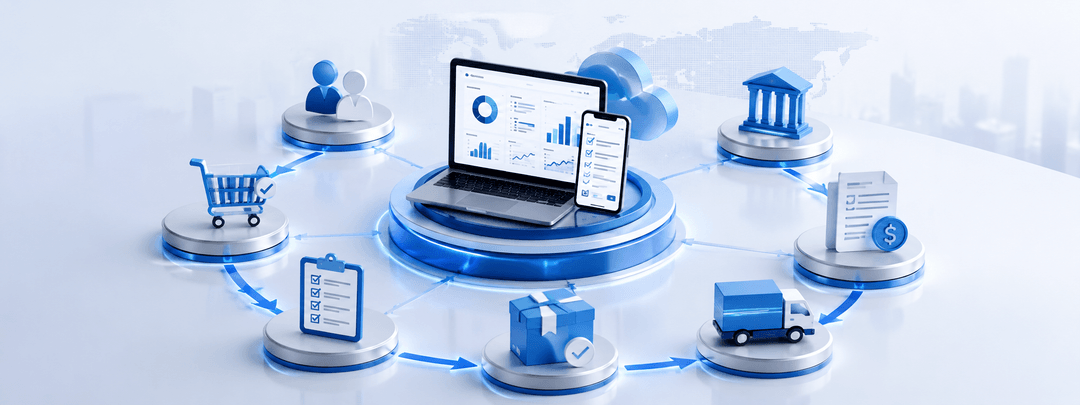
A modern S2P solution should support the full procurement lifecycle, including:
- Supplier discovery and sourcing, where procurement teams can identify qualified suppliers based on operational requirements rather than static directories.
- Supplier onboarding and verification, including tax validation, sanctions screening, certifications, and compliance checks.
- Contract and approval management, allowing organizations to enforce purchasing policies consistently across business units.
- Procurement and invoice automation, which helps reduce manual processing while improving audit readiness.
- Supplier performance monitoring, enabling teams to evaluate reliability, quality, lead times, and operational risks continuously.
The biggest change in 2026 is that procurement leaders are no longer impressed by large feature lists alone. They want systems that reduce operational friction in real-world procurement environments.
For example, enterprises now expect S2P platforms to:
- Automatically flag supplier risks before onboarding instead of after a compliance issue occurs.
- Integrate directly with ERP systems like SAP, Oracle, NetSuite, and Microsoft Dynamics without requiring months of custom middleware work.
- Support global sourcing diversification strategies as companies reduce dependence on single-country manufacturing networks.
- Provide AI-assisted workflows that actually save procurement teams time instead of creating more review work.
Many vendors now market themselves as “AI-powered,” but procurement teams have become far more skeptical. In practice, enterprises care less about flashy AI branding and more about whether the platform can accurately classify spend data, recommend qualified suppliers, automate invoice matching, and surface procurement risks using real operational data.
The platforms leading the market in 2026 are the ones solving practical procurement problems rather than simply adding more dashboards.
How Should Enterprises Choose the Right S2P Platform?
Choosing a Source-to-Pay platform is not simply a software decision. It is an operational decision that affects procurement, finance, compliance, supplier management, and even supply chain resilience.
Many enterprises make the mistake of focusing too heavily on feature lists or polished product demos. In reality, the best platform is the one that fits your organization’s operational complexity, procurement maturity, and long-term sourcing strategy.
A strong evaluation process should focus on how the platform performs in real procurement environments, not ideal demo scenarios.
1. Start by Defining Your Procurement Priorities
Before evaluating vendors, you should identify the specific procurement problems your organization is trying to solve.
Different enterprises prioritize different outcomes. For example:
- Some organizations are primarily focused on improving spend visibility and approval control across departments.
- Others are trying to strengthen supplier discovery and diversification due to geopolitical or tariff-related risks.
- Manufacturing companies may care more about direct procurement coordination and supplier collaboration.
- Highly regulated enterprises often prioritize audit readiness, compliance controls, and approval traceability.
Without clear priorities, enterprises often end up purchasing platforms with broad functionality that does not actually improve procurement operations meaningfully.
A successful platform selection process starts with operational clarity rather than software comparisons.
2. Evaluate Integration Requirements Early
One of the biggest causes of failed S2P implementations is poor system integration planning.
Your procurement platform will likely need to connect with:
- ERP systems
- Financial systems
- Accounts payable workflows
- Supplier databases
- Contract management tools
- Inventory and logistics systems
If integrations require excessive middleware, manual reconciliation, or custom engineering work, procurement automation quickly becomes difficult to maintain.
During vendor evaluation, you should ask practical questions such as:
- How long do typical ERP integrations take?
- Which integrations are native versus partner-built?
- How is supplier data synchronized across systems?
- What happens when approval workflows fail or data conflicts occur?
Strong integrations reduce operational friction. Weak integrations create long-term technical debt.
3. Test the Platform Using Real Procurement Scenarios
Many procurement platforms perform well in controlled demo environments but struggle with real operational complexity.
You should test the system using actual procurement workflows from your organization.
This includes scenarios such as:
- Supplier onboarding with incomplete or inconsistent supplier information.
- Invoice matching involving exceptions or non-standard formats.
- Multi-country approval workflows with regional compliance requirements.
- Emergency purchasing requests that bypass normal procurement cycles.
- Supplier risk reviews involving certifications, sanctions checks, or ESG requirements.
The goal is not to see whether the software works perfectly. The goal is to understand how the platform behaves when procurement processes become messy, which they inevitably do.
Enterprise procurement complexity usually lives in edge cases, not standard workflows.
4. Assess Supplier Intelligence and Risk Visibility
Supplier visibility has become significantly more important in 2026 due to supply chain disruptions, geopolitical instability, and increasing compliance expectations.
Modern procurement teams need more than static supplier directories. They need systems that help evaluate supplier reliability, operational capability, and sourcing risks before supplier onboarding occurs.
When evaluating platforms, you should assess whether the system can support:
- Supplier verification and due diligence workflows.
- Supplier diversification strategies across multiple sourcing regions.
- Visibility into certifications, operational capabilities, and sourcing history.
- Supplier risk monitoring tied to sanctions, ESG concerns, or forced labor regulations.
- Ongoing supplier performance evaluation rather than one-time onboarding checks.
Platforms with stronger supplier intelligence capabilities can help procurement teams make faster and more informed sourcing decisions while reducing operational risk.
5. Consider Long-Term Maintainability, Not Just Deployment
Many enterprises focus heavily on implementation timelines while underestimating long-term operational maintenance.
A platform may look impressive during deployment but become difficult to manage once procurement teams begin modifying workflows, onboarding suppliers, and scaling operations globally.
You should evaluate:
- How easy it is for procurement teams to update workflows internally.
- Whether reporting requires technical support or can be managed by business users.
- How much reliance the platform creates on external consultants.
- Whether employees can realistically adopt the workflows without excessive training.
- How scalable the platform remains as supplier networks and procurement volumes grow.
The best S2P platforms are not necessarily the ones with the most features. They are the ones procurement teams can sustain operationally over the long term.
A successful procurement system should reduce complexity, improve visibility, and support better decision-making without creating additional administrative burden.
Which S2P Platforms Are Leading the Enterprise Market in 2026?
The enterprise S2P market has become increasingly competitive, but several platforms continue to dominate due to their scale, integrations, and procurement maturity.
1. SAP Ariba
SAP Ariba remains one of the strongest enterprise procurement platforms for multinational organizations operating within SAP ecosystems.
The platform is particularly effective for companies that require strict governance and complex procurement workflows across multiple regions. Its supplier network remains one of the largest in the industry, which gives enterprises broader supplier connectivity and transaction standardization.
Organizations often choose SAP Ariba because it provides:
- Deep SAP ERP integration, which allows procurement and finance data to remain tightly synchronized across enterprise systems.
- Strong compliance and audit controls, making it easier for enterprises to maintain approval traceability and procurement governance.
- Scalable sourcing workflows, particularly for large enterprises managing procurement operations across multiple countries and business units.
- Comprehensive supplier collaboration tools, which support sourcing events, contract workflows, and supplier communication at scale.
However, Ariba implementations are rarely lightweight projects. Many enterprises require long deployment timelines, extensive consulting support, and significant process restructuring before realizing operational value.
The platform is best suited for organizations that already operate within SAP infrastructure and need enterprise-grade procurement governance globally.
2. Coupa
Coupa has built a strong position in the market by focusing heavily on usability, spend visibility, and employee adoption.
One of the biggest procurement challenges inside enterprises is that employees frequently bypass procurement policies when systems become difficult to use. Coupa addresses this issue by creating more intuitive purchasing workflows that improve compliance without forcing employees through unnecessarily complex processes.
The platform performs particularly well in:
- Spend management and analytics, allowing procurement leaders to identify purchasing inefficiencies and improve spend visibility across departments.
- Indirect procurement control, helping organizations reduce unmanaged or “tail spend” purchases.
- User adoption, because employees are generally more willing to engage with workflows that feel modern and intuitive.
- AI-assisted recommendations, including spend categorization and purchasing insights designed to reduce manual procurement analysis.
Coupa is often viewed as one of the more procurement-friendly enterprise platforms because it balances operational functionality with usability better than many legacy systems.
That said, enterprises with highly specialized procurement processes may encounter limitations when attempting extensive workflow customization.
3. Oracle Fusion Cloud Procurement
Oracle Fusion Cloud Procurement remains a strong option for enterprises already standardized on Oracle infrastructure.
The platform’s biggest advantage is its close alignment between procurement and finance operations. Organizations that prioritize financial governance, budgeting control, and enterprise-wide policy enforcement often prefer Oracle because procurement data integrates directly into broader financial systems.
Oracle is particularly effective for enterprises that need:
- Strong financial governance, especially across large procurement operations with complex approval structures.
- Centralized procurement controls, enabling organizations to enforce purchasing policies consistently.
- Supplier qualification and onboarding workflows, which support enterprise compliance requirements.
- Integrated reporting and forecasting, allowing procurement and finance teams to work from shared operational data.
However, Oracle’s procurement experience can sometimes feel more finance-driven than procurement-driven. While operationally robust, some procurement teams find the user experience less flexible compared to newer SaaS-native platforms.
For Oracle-centric enterprises, though, the integration advantages often outweigh those trade-offs.
4. Jaggaer
Jaggaer has developed a strong reputation among manufacturing and industrial procurement organizations that manage complex sourcing operations.
Unlike procurement environments focused primarily on indirect spending, manufacturing procurement teams often deal with highly technical supplier requirements, direct materials sourcing, specification management, and operational production dependencies.
Jaggaer performs well because it was designed to support those realities.
The platform is particularly strong in:
- Direct procurement management, where supplier coordination directly impacts production operations.
- Supplier collaboration workflows, allowing manufacturers to work more closely with suppliers during sourcing and production planning.
- Category management and sourcing depth, which helps procurement teams evaluate sourcing decisions more strategically.
- Complex procurement environments, especially those involving industrial supply chains and production-sensitive sourcing.
Some enterprises report that Jaggaer’s interface can feel fragmented across modules, particularly in larger deployments. However, for manufacturing procurement teams, the platform’s sourcing depth often outweighs those usability concerns.
5. Ivalua
Ivalua has gained significant traction among enterprises that require highly configurable procurement workflows.
Many large organizations operate with unique procurement policies, approval structures, and sourcing methodologies that do not fit neatly into standardized procurement software templates. Ivalua appeals to these enterprises because it allows teams to configure workflows with greater flexibility.
The platform’s strengths include:
- Extensive workflow configurability, which supports highly customized procurement operations.
- Strong supplier management capabilities, including supplier onboarding and governance workflows.
- Unified procurement architecture, helping organizations reduce fragmentation across procurement functions.
- Support for global procurement operations, especially for enterprises managing region-specific procurement requirements.
However, flexibility introduces its own risks. Enterprises without strong internal procurement governance may over-customize workflows, creating operational complexity that becomes difficult to maintain long term.
Ivalua is best suited for procurement organizations that already have mature operational processes and want greater control over system configuration.
6. SourceReady
SourceReady represents a newer category of procurement technology focused heavily on supplier intelligence, sourcing visibility, and AI-assisted supplier discovery.
Traditional S2P platforms have historically concentrated on procurement transactions after suppliers were already identified. However, many procurement teams still struggle during the earlier stages of sourcing, especially when trying to identify reliable suppliers across fragmented global markets.
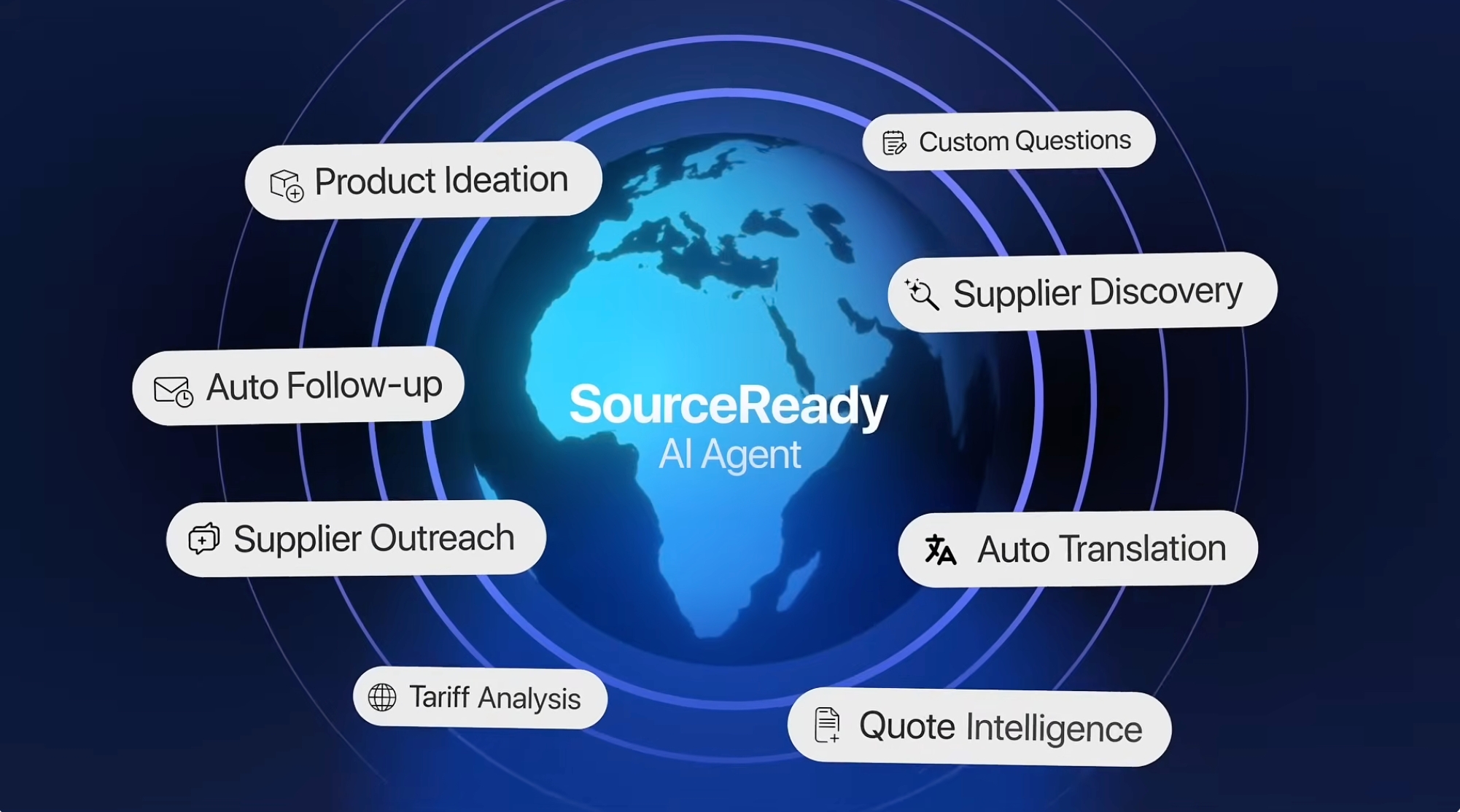
SourceReady addresses this challenge by aggregating supplier intelligence from multiple data sources, including customs records, trade shows, certifications, supplier websites, and public trade activity.
This allows procurement teams to evaluate suppliers with significantly more operational context before engagement.
The platform is particularly valuable for enterprises focused on:
- Supplier discovery and diversification, especially as companies reduce sourcing concentration risks tied to specific countries or regions.
- AI-powered supplier matching, where procurement teams can define sourcing requirements such as certifications, lead times, manufacturing capabilities, or pricing expectations.
- Supplier due diligence workflows, helping teams verify supplier legitimacy and operational credibility more efficiently.
- Supply chain visibility, providing procurement teams with broader insights into supplier operations and sourcing ecosystems.
Rather than replacing ERP systems entirely, SourceReady is often used alongside larger procurement suites to strengthen supplier intelligence and sourcing decision-making.
As global supply chains become more fragmented and procurement teams face increasing pressure to identify reliable suppliers quickly, sourcing intelligence platforms like SourceReady are becoming increasingly important within enterprise procurement stacks.
Conclusion
Choosing the right Source-to-Pay platform in 2026 is no longer just about procurement automation. It is about building a procurement operation that can adapt to global supply chain disruptions, improve supplier visibility, strengthen compliance, and support faster sourcing decisions with better data. The best platforms are the ones that fit your organization’s operational realities, integrate cleanly with existing systems, and help procurement teams work more efficiently at scale. As supplier diversification and sourcing intelligence become increasingly important, enterprises should evaluate not only transaction management capabilities, but also how effectively a platform helps identify, verify, and manage suppliers globally. Ready to modernize your sourcing strategy? Explore how SourceReady can help your team discover and evaluate suppliers faster.
FAQ
1. What is the difference between S2P and Procure-to-Pay (P2P)?
Procure-to-Pay (P2P) focuses mainly on transactional procurement processes such as purchasing, invoicing, and payments. Source-to-Pay (S2P) covers a broader scope by including supplier sourcing, supplier discovery, contract management, and strategic sourcing activities before purchasing begins.
2. How important is AI in modern procurement platforms?
AI has become increasingly important in procurement because it helps automate time-consuming tasks such as spend classification, supplier matching, invoice processing, and supplier risk analysis. However, enterprises should focus on practical AI functionality rather than marketing claims, especially when evaluating production-level performance.

Find the sourcing tools you need.
Explore how SourceReady helps you research products, discover suppliers, verify factory information, analyze trade data, and manage your sourcing workflow in one place
Explore Features
Graduating from USC with a background in business and marketing, Judy Chen has spent over a decade working in e-commerce, specializing in sourcing and supplier management. Her experience includes developing strategies to optimize supplier relationships and streamline procurement processes for growing businesses. As SourceReady’s blog writer, Judy leverages her deep understanding of sourcing challenges to create insightful content that helps readers navigate the complexities of global supply chains.