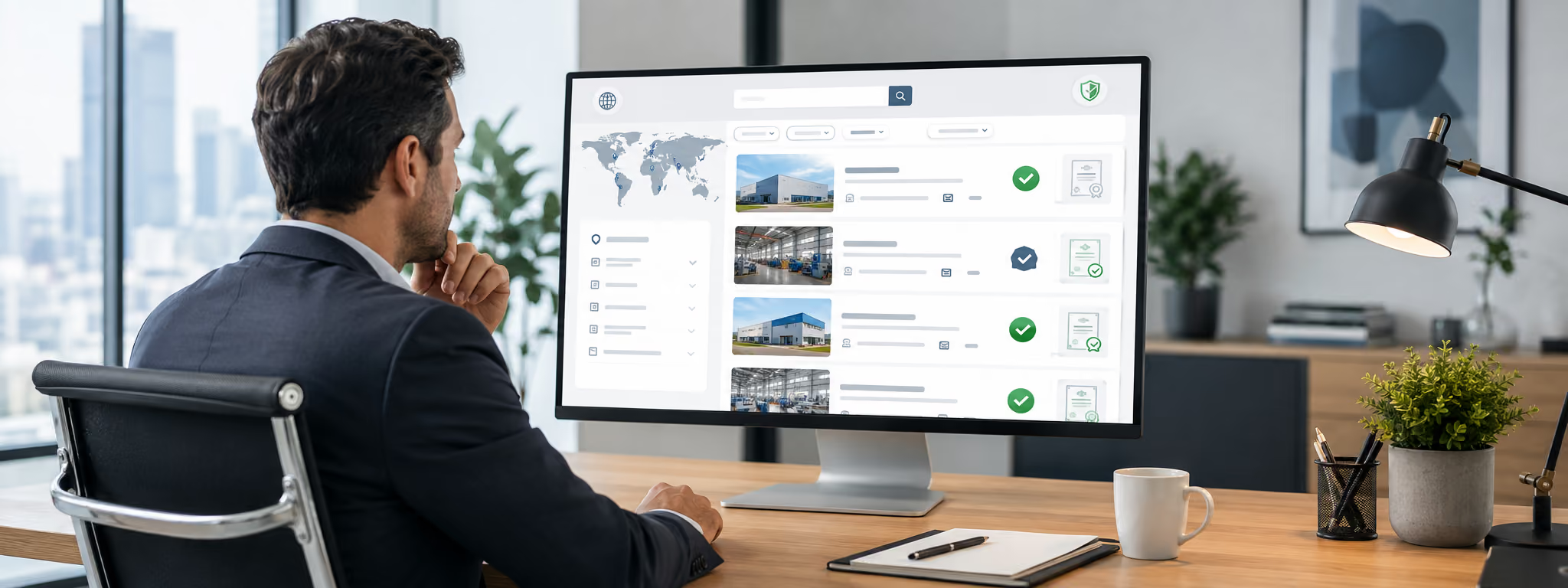
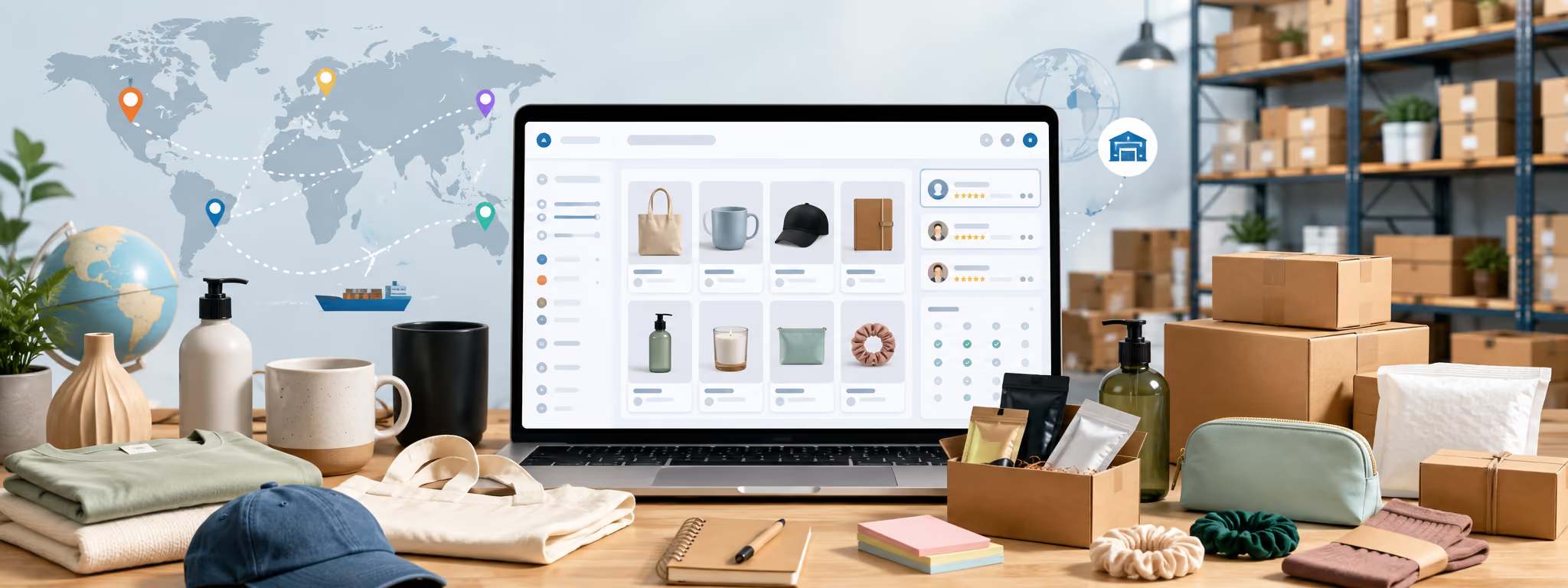
Finding a manufacturer is no longer the challenge—finding one that is verified, compliant, and capable of meeting your quality standards is. Audited and certified manufacturers provide greater transparency into their operations, quality systems, and compliance practices, helping buyers reduce sourcing risks and avoid costly mistakes. However, not all supplier badges and certifications offer the same level of assurance. This guide explains why audited suppliers matter, what certifications actually mean, and which sourcing platforms can help you identify and verify qualified manufacturers worldwide, including specialized sourcing solutions such as SourceReady.
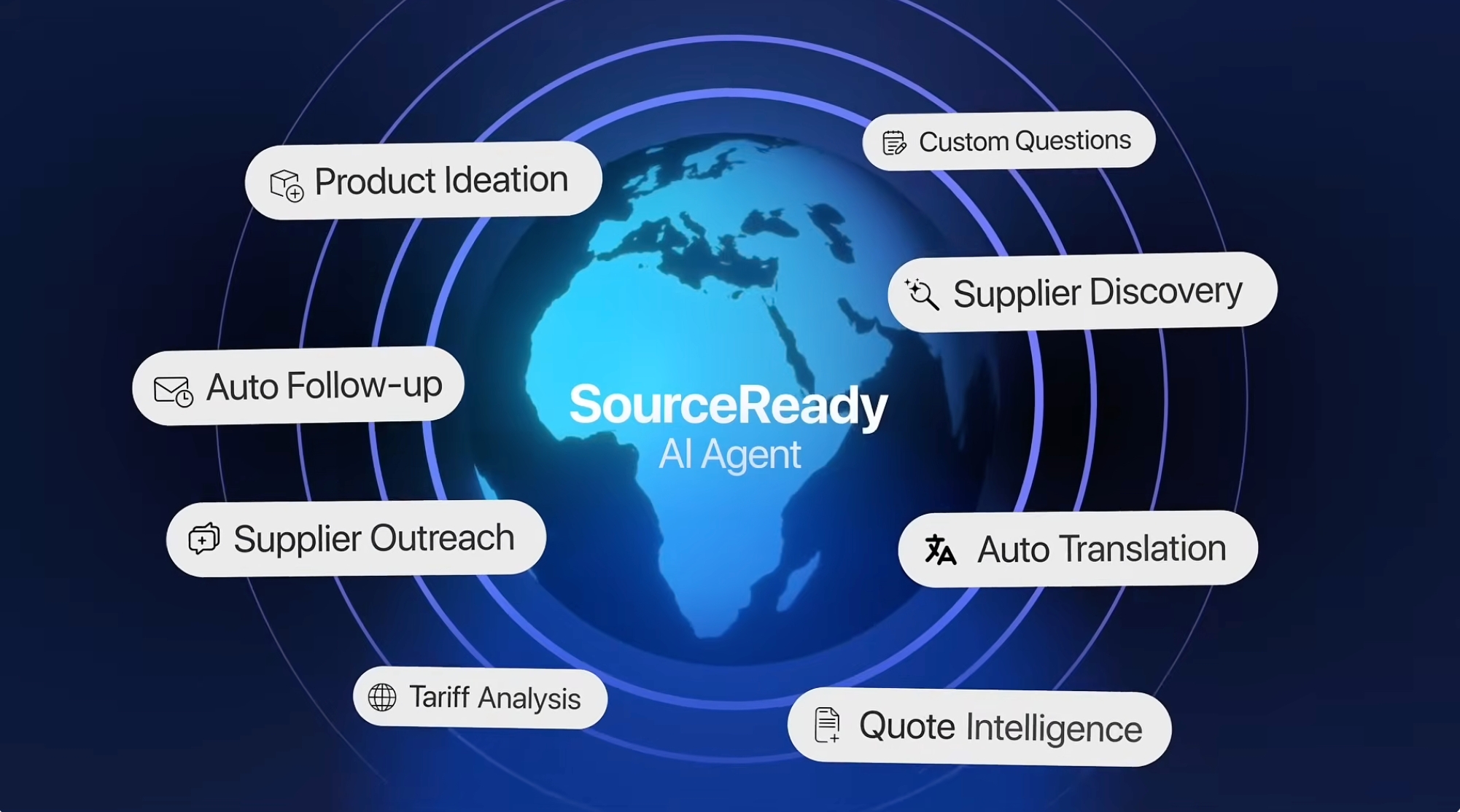
There’s a better way to source ❤️
Watch the video to see how SourceReady helps brands move from product ideas to trusted supplier relationships faster
Watch the Video
Why Is It Important to Work with Audited or Certified Manufacturers?
Working with audited or certified manufacturers helps reduce risk throughout the sourcing process. Whether you are importing products, launching a private label brand, or managing a global supply chain, supplier verification is critical to ensuring quality, compliance, and reliability.
Key benefits include:
- Reduced supplier risk: Audits help confirm that a company is legitimate and operational.
- Improved product quality: Certified manufacturers often follow documented quality management systems.
- Regulatory compliance: Certifications can demonstrate adherence to industry and market-specific requirements.
- Supply chain transparency: Audits provide visibility into factory operations, labor practices, and production capabilities.
- Better business continuity: Verified suppliers are generally more prepared to meet delivery schedules and production commitments.
- Enhanced brand protection: Working with compliant manufacturers reduces the likelihood of recalls, compliance violations, and reputational damage.
While audits and certifications do not guarantee perfect performance, they provide valuable evidence that a supplier has undergone independent assessment and meets specific standards.
What Does “Audited” or “Certified” Actually Mean?
Many buyers use the terms "audited" and "certified" interchangeably, but they represent different forms of verification.
1. What Does "Audited" Mean?
An audit typically involves an independent review of a supplier's business operations, facilities, and processes. Depending on the audit scope, it may evaluate:
- Business registration and legal status
- Factory location and ownership
- Production equipment and capacity
- Workforce size and management
- Quality control procedures
- Environmental practices
- Social compliance standards
- Export capabilities
However, not all audits are equal. A basic supplier verification audit differs significantly from a comprehensive factory assessment or social compliance audit. Buyers should always review the audit scope rather than relying solely on an audit badge.
2. What Does "Certified" Mean?
Certification indicates that a company, process, or product has been assessed against a recognized standard by an accredited certification body.
Common certifications include:
- ISO 9001 – Quality Management Systems
- ISO 14001 – Environmental Management Systems
- BSCI, SMETA, or SA8000 – Social Compliance
- GOTS, GRS, and OEKO-TEX – Textile and sustainability standards
- FSC – Responsible forestry and paper sourcing
- CE, UL, FCC, and RoHS – Product compliance and safety requirements
The most important question is always: Certified for what?
A manufacturer may hold ISO 9001 certification, but that does not automatically mean its products comply with regulations in your target market. Product compliance and factory certification are separate considerations.
3. Three Levels of Supplier Verification
When evaluating manufacturers, buyers should assess three distinct areas:
Supplier Verification
Confirms the company is legitimate and operational.
Check:
- Business licenses
- Registered addresses
- Ownership information
- Export history
- Contact verification
Factory Capability
Confirms the supplier can manufacture your product.
Check:
- Production equipment
- Manufacturing processes
- Capacity levels
- Quality control systems
- Lead times
Product Compliance
Confirms the product meets market requirements.
Check:
- Product testing reports
- Safety certifications
- Labeling compliance
- Material restrictions
- Import regulations
A supplier may pass the first two categories while failing the third, making product compliance verification essential.
Which Platform Should You Use to Find Audited or Certified Manufacturers Worldwide?
There is no single platform that works for every sourcing requirement. The best approach is often to use multiple platforms for supplier discovery and verification.
1. SourceReady
SourceReady is designed to help buyers discover, evaluate, and qualify manufacturers globally using a combination of large-scale supplier intelligence and cross-verified business data.
Key advantages of SourceReady include:
- Access to a database of more than 4 million suppliers across 200+ countries and regions.
- Supplier profiles enriched and cross-verified using data from trade shows, supplier directories, certifications, customs records, company websites, business registries, and other proprietary sources.
- Reduced time spent screening and validating supplier credentials.
- Greater visibility into supplier capabilities, certifications, export activity, and production readiness.
- Support for compliance-focused sourcing initiatives.
- Improved supplier matching based on product requirements and sourcing goals.
- A streamlined sourcing workflow that helps buyers move from supplier discovery to qualification more efficiently.
SourceReady is particularly valuable for businesses that want a more structured sourcing process and prefer working with verified supplier intelligence rather than relying solely on marketplace listings.
2. Alibaba
Alibaba remains one of the world's largest B2B sourcing platforms and is often the first stop for buyers sourcing from China and Asia.
Key verification features include:
- Verified Supplier status
- Third-party assessment reports
- Business license verification
- Factory capability information
Alibaba offers extensive supplier choice across virtually every product category. However, buyers should remember that platform verification does not guarantee product compliance or manufacturing quality for a specific order.
3. Global Sources
Global Sources is known for connecting buyers with export-focused manufacturers, particularly in electronics, consumer goods, gifts, and lifestyle products.
Advantages include:
- Verified supplier profiles
- Trade show participation records
- Export-oriented manufacturers
- Detailed supplier information
Many suppliers on Global Sources have significant export experience, making it a valuable platform for international buyers seeking established manufacturers.
4. Made-in-China
Made-in-China provides access to Chinese manufacturers with a strong emphasis on supplier audits and factory information.
Notable features include:
- Audited Supplier reports
- Third-party verification by organizations such as SGS and Bureau Veritas
- Factory capability assessments
- Manufacturing process visibility
Buyers should review the full audit report whenever possible rather than relying solely on supplier badges.
5. Thomasnet
Thomasnet is one of the leading supplier directories for North American manufacturing and industrial sourcing.
Benefits include:
- Detailed supplier capabilities
- Certification information
- Industry-specific classifications
- U.S.-based manufacturing focus
Thomasnet is particularly valuable for buyers seeking domestic manufacturing partners or industrial suppliers within North America.
6. Europages
Europages specializes in connecting buyers with European manufacturers and suppliers.
Key strengths include:
- Extensive European supplier network
- Industry-specific categorization
- Company profiles and contact information
- Regional sourcing opportunities
Verification levels vary between suppliers, so additional due diligence is recommended before placing orders.
7. IndiaMART
IndiaMART is one of India's largest B2B marketplaces and provides access to a broad range of manufacturers and suppliers.
Advantages include:
- Large supplier database
- Business verification indicators
- Product-specific sourcing opportunities
- Strong presence across manufacturing sectors
Buyers sourcing from India should conduct additional checks regarding export experience, certifications, and production capabilities.
Conclusion
Finding audited or certified manufacturers requires more than selecting a sourcing platform. Successful sourcing combines supplier discovery with independent verification, document review, product testing, and ongoing quality control. Platforms such as Alibaba, Global Sources, Made-in-China, Thomasnet, Europages, and IndiaMART can help identify potential suppliers, while organizations like SGS, QIMA, Bureau Veritas, TÜV, and Intertek provide additional verification and compliance support. Regardless of where a supplier is found, buyers should verify certifications, review audit reports, assess manufacturing capabilities, and confirm product compliance before placing orders. A structured verification process ultimately helps reduce risk and build stronger manufacturing partnerships.
Consider using supplier intelligence and verification tools to streamline research and improve confidence in your sourcing decisions.
FAQ
1. How do I know if a supplier is a manufacturer or a trading company?
You can evaluate:
Business registration details
Factory ownership information
Production equipment lists
Factory audit reports
Manufacturing process documentation
On-site inspections
Some suppliers operate as both manufacturers and trading companies.
2. How often should supplier audits be conducted?
The frequency depends on supplier risk, product complexity, and regulatory requirements. Many companies conduct audits annually or every few years, while high-risk suppliers may require more frequent assessments.