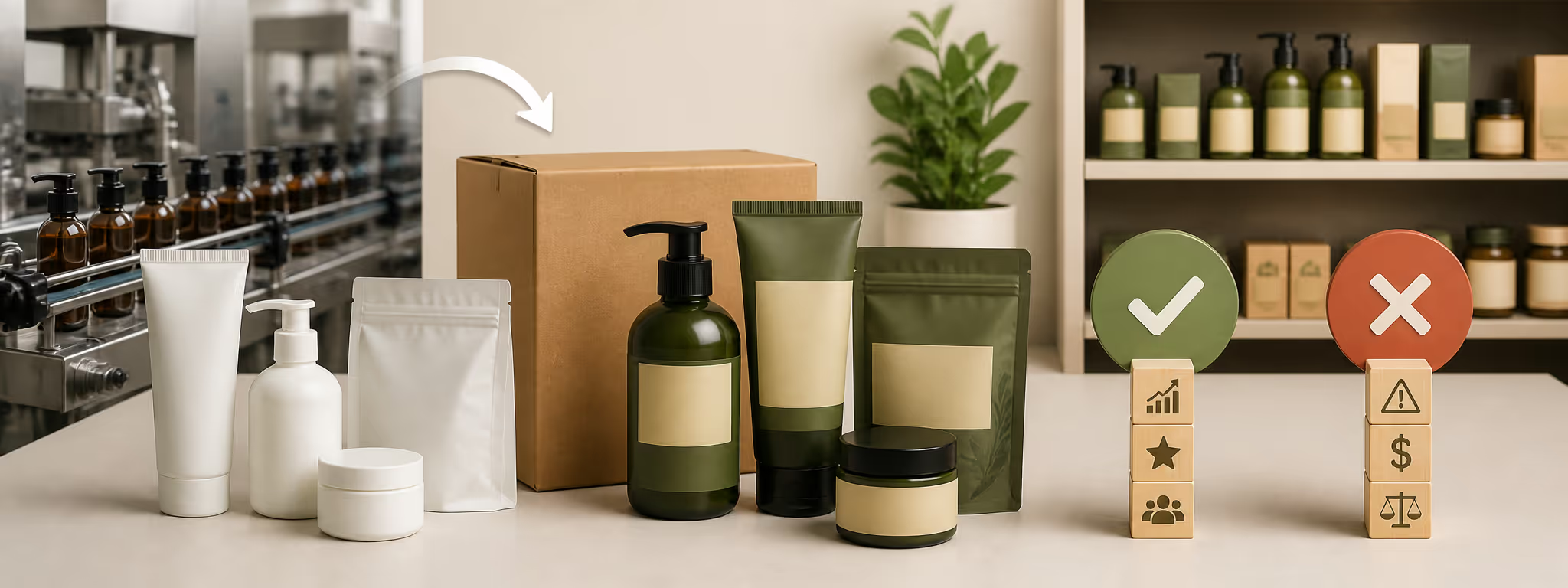
Private labeling is no longer a niche—it’s a core strategy in modern retail and e-commerce.
In the U.S., private label sales exceed $230 billion, with market share now over 20% of total retail sales. Consumers are increasingly choosing private label products when quality matches branded alternatives.
Today, private label is less about being cheaper—and more about owning your brand, controlling margins, and moving faster.
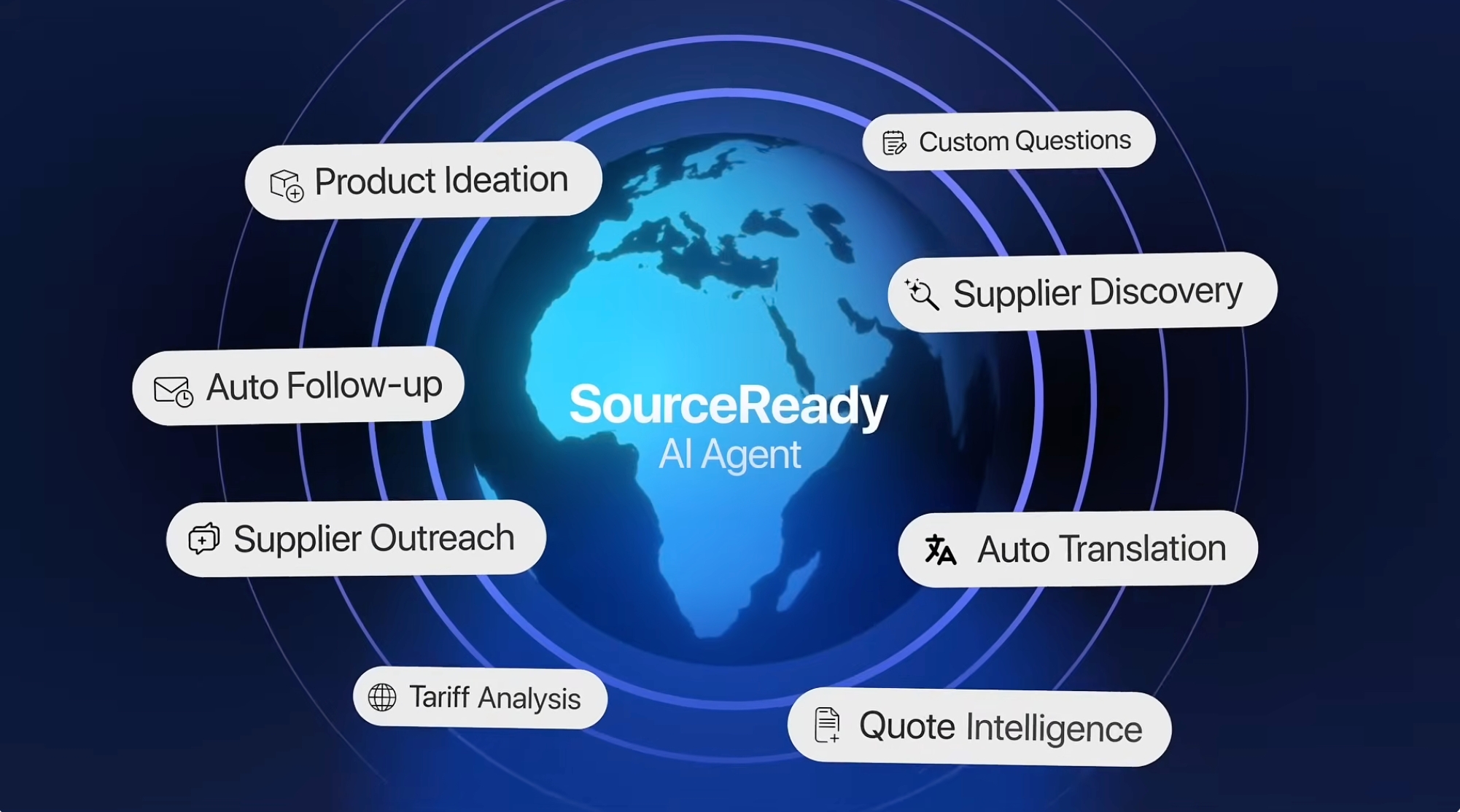
With easier access to global suppliers—and tools like SourceReady to validate them—the opportunity is bigger than ever, but execution matters more than ever.
This guide breaks down what private labeling actually is, how it works, and the key benefits and risks you need to understand.
There’s a better way to source ❤️
Watch the video to see how SourceReady helps brands move from product ideas to trusted supplier relationships faster
Private labeling is when you sell a product manufactured by a third party under your own brand name. You control the branding, positioning, pricing, and customer experience. The supplier handles production.
You are not inventing a product from scratch. You are owning the market-facing layer—brand, packaging, and distribution—while outsourcing manufacturing.
Simple example: A factory produces generic water bottles. You add your logo, packaging, and product story, then sell it as your brand. To the end customer, you are the brand—they don’t see the factory behind it.
Private labeling sits between pure reselling (no brand control) and full OEM/ODM development (full product ownership). It’s often the fastest way to build a branded product line without heavy R&D investment.
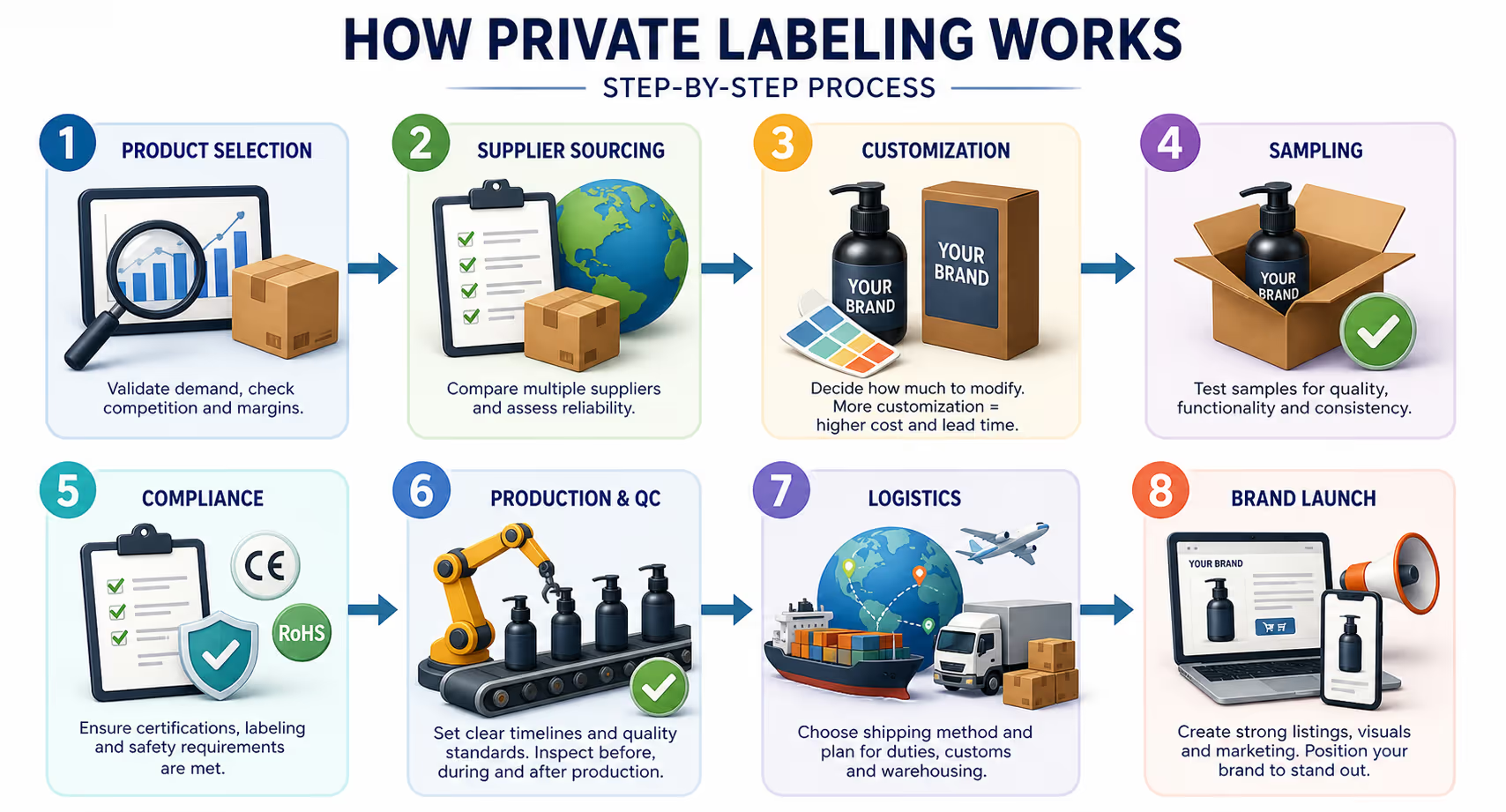
How Private Labeling Works (Step-by-Step)
1. Product Selection
Start with demand, not preference.
Use keyword tools, marketplace data, or competitor analysis
Look for consistent demand, not one-off trends
Check margins early—low-cost products don’t always mean high profit
Tip: Avoid categories where reviews are dominated by price complaints—you’ll struggle to differentiate.
2. Supplier Sourcing
This is where most outcomes are decided.
Use sourcing platforms, trade shows, or tools like SourceReady, which aggregate supplier data across multiple sources
Compare multiple suppliers—never rely on one quote
Evaluate based on production capability, export experience and responsiveness
Practical advantage: Tools like SourceReady help you cross-reference supplier data (e.g., shipment history, certifications, performance signals), reducing the risk of choosing unreliable vendors.
3. Customization Scope
Decide how much you want to change.
Basic level: Logo, packaging
Intermediate: Colors, materials, bundled items
Advanced: Feature tweaks or design adjustments
Important: More customization = higher MOQ, longer lead time, and more room for error.
4. Sampling & Validation
Samples are not optional—they are your first line of defense.
Order multiple samples if possible
Test: durability, functionality and finish quality
Watch for: Suppliers sending “perfect samples” that don’t reflect mass production. Always confirm production consistency.
5. Compliance & Documentation
This is where many first-time sellers get caught off guard.
Negotiate clear expectations on lead times and pricing
Key point: The more you scale, the more critical supplier reliability becomes.
How to Choose the Right Supplier
This is the highest-leverage decision in private labeling. Everything else depends on it.
1. Capability
Can they produce consistent quality at your required volume?
Ask about production capacity
Review similar products they’ve made
Validate consistency across samples
2. Communication
Clarity beats speed.
Are they answering questions directly?
Do they understand your requirements?
Are they proactive about issues?
Good communication prevents expensive mistakes.
3. Transparency
Reliable suppliers don’t hide details.
Willing to share product specs
Open about limitations
Clear about timelines
4. Track Record
Past performance is the best signal.
Export experience
Existing international clients
Verified shipment or order history
Using tools like SourceReady, you can validate supplier credibility through real data instead of relying solely on self-reported claims.
Red Flags to Watch
“No problem” to every request without details
Lack of documentation or vague answers
Pricing that is significantly below market
Slow or inconsistent responses
Pattern to note: Most issues show up during communication—not after production.
Final Takeaway
Private labeling is not just “put your logo on a product.” That’s the visible layer.
Underneath, it’s a coordination problem between branding and supply chain execution:
You outsource production
You own the customer relationship
You manage quality, compliance, and continuity
The difference between success and failure comes down to execution.
If you’re serious about building a private label brand, start with better data. Use SourceReady to compare suppliers across real performance signals, and make sourcing decisions with confidence—not guesswork.
FAQ
1. What is the difference between private label and white label?
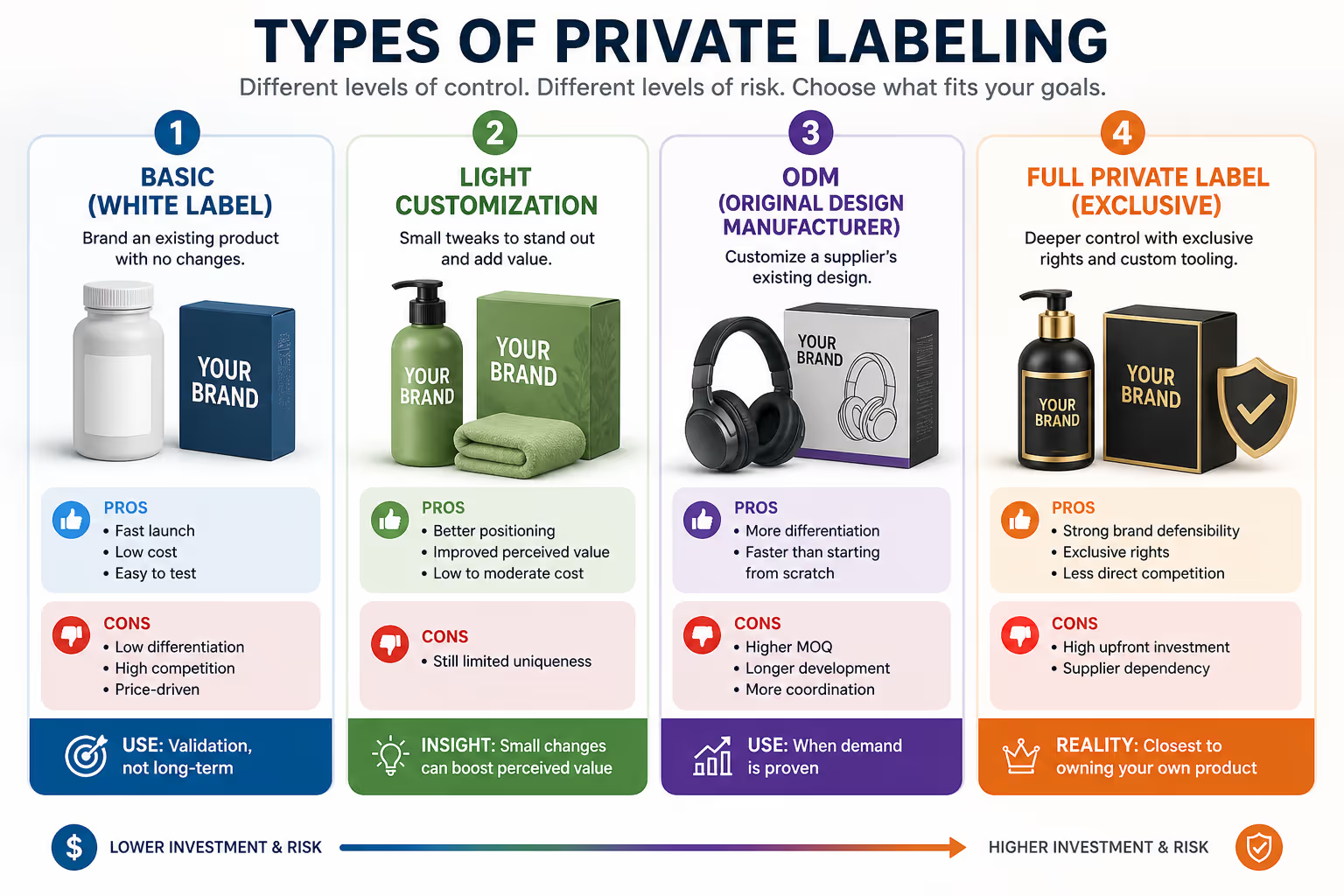
White label is a subset of private labeling.
White label: No product changes—just your logo on a standard product
Private label: Can include customization, packaging, and even exclusive designs
In short: all white label is private label, but not all private label is white label.
2. What products are best for private labeling?
Look for products that are:
Lightweight (lower shipping costs)
Non-fragile (fewer returns)
Repeat purchase (e.g., consumables)
Easy to differentiate (branding, bundling)
Avoid: Highly regulated or complex products if you’re just starting.
Find the sourcing tools you need.
Explore how SourceReady helps you research products, discover suppliers, verify factory information, analyze trade data, and manage your sourcing workflow in one place
Graduating from USC with a background in business and marketing, Judy Chen has spent over a decade working in e-commerce, specializing in sourcing and supplier management. Her experience includes developing strategies to optimize supplier relationships and streamline procurement processes for growing businesses. As SourceReady’s blog writer, Judy leverages her deep understanding of sourcing challenges to create insightful content that helps readers navigate the complexities of global supply chains.