Baby products in 2026 are no longer about cute. They are about longevity, safety, sustainability, and intelligence—all under tighter regulatory and cost pressure. Parents expect products that grow with the child, fit smaller urban homes, meet stricter safety standards, and align with eco-conscious values. For brands and sourcing teams, this means higher material scrutiny, more compliance checkpoints, and faster trend validation cycles. This guide breaks down the real trends shaping 2026 and how SourceReady helps you spot baby product trends earlier and connect with suppliers who are already producing compliant, in-demand products, reducing trial-and-error during development and sourcing.
Introduction
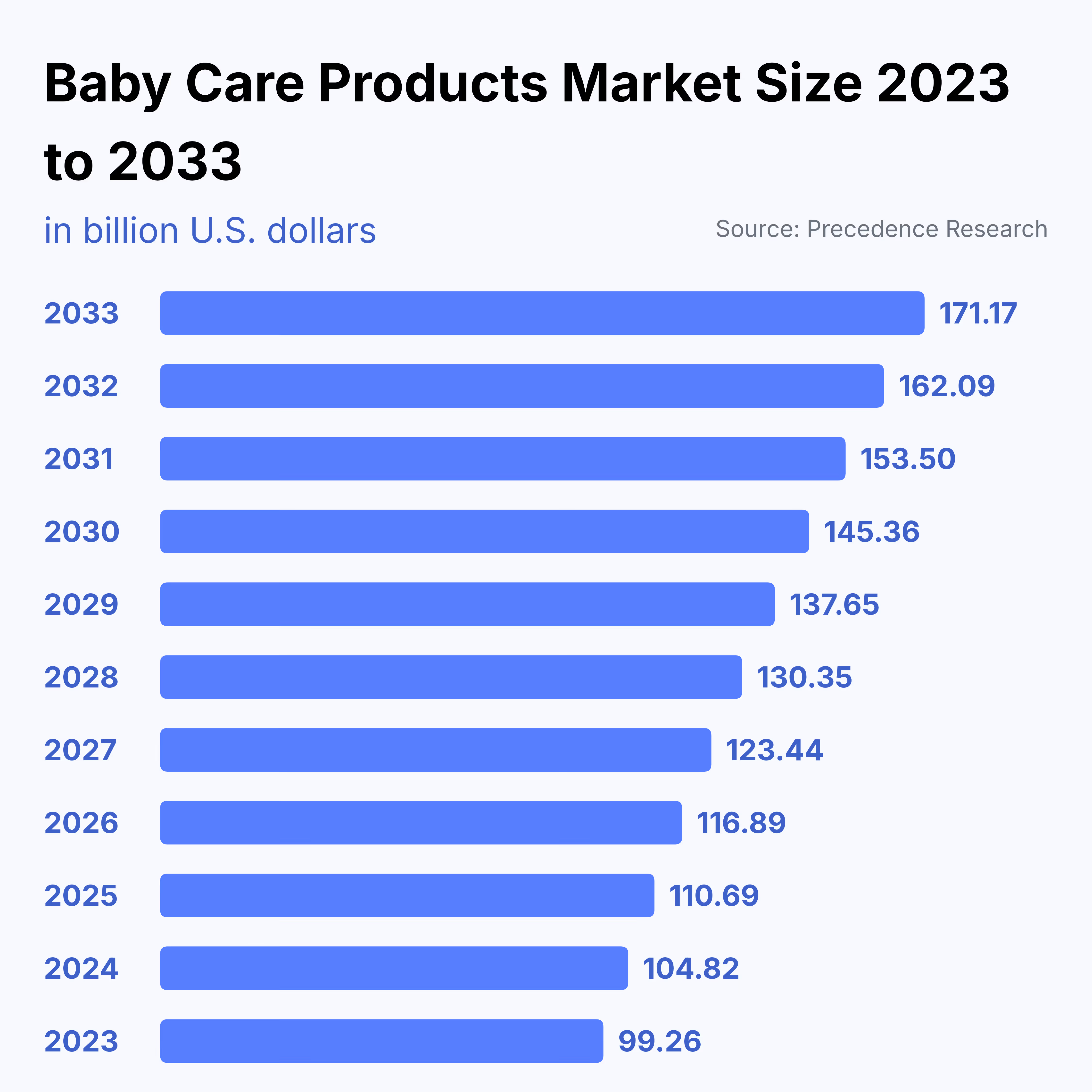
The global baby care products market size was USD 99.26 billion in 2023, accounted for USD 104.82 billion in 2024, and is expected to reach around USD 171.17 billion by 2033, expanding at a CAGR of 5.6% from 2024 to 2033. But =the baby products category is entering a more disciplined phase.
In 2026, parents are spending deliberately. Fewer impulse buys. More research. More comparison. More questions about materials, certifications, and longevity. At the same time, regulators are tightening safety rules, and retailers are raising compliance requirements—especially for products touching skin, sleep, and feeding.
If you are sourcing baby products, your job has changed. You are no longer just finding a factory. You are managing risk, trust, and future-proof design.
This article is written as an audit-ready sourcing guide. No fluff. No trend hype. Just what is happening, why it matters, and how you should respond.
What Are the Top Baby Product Trends in 2026
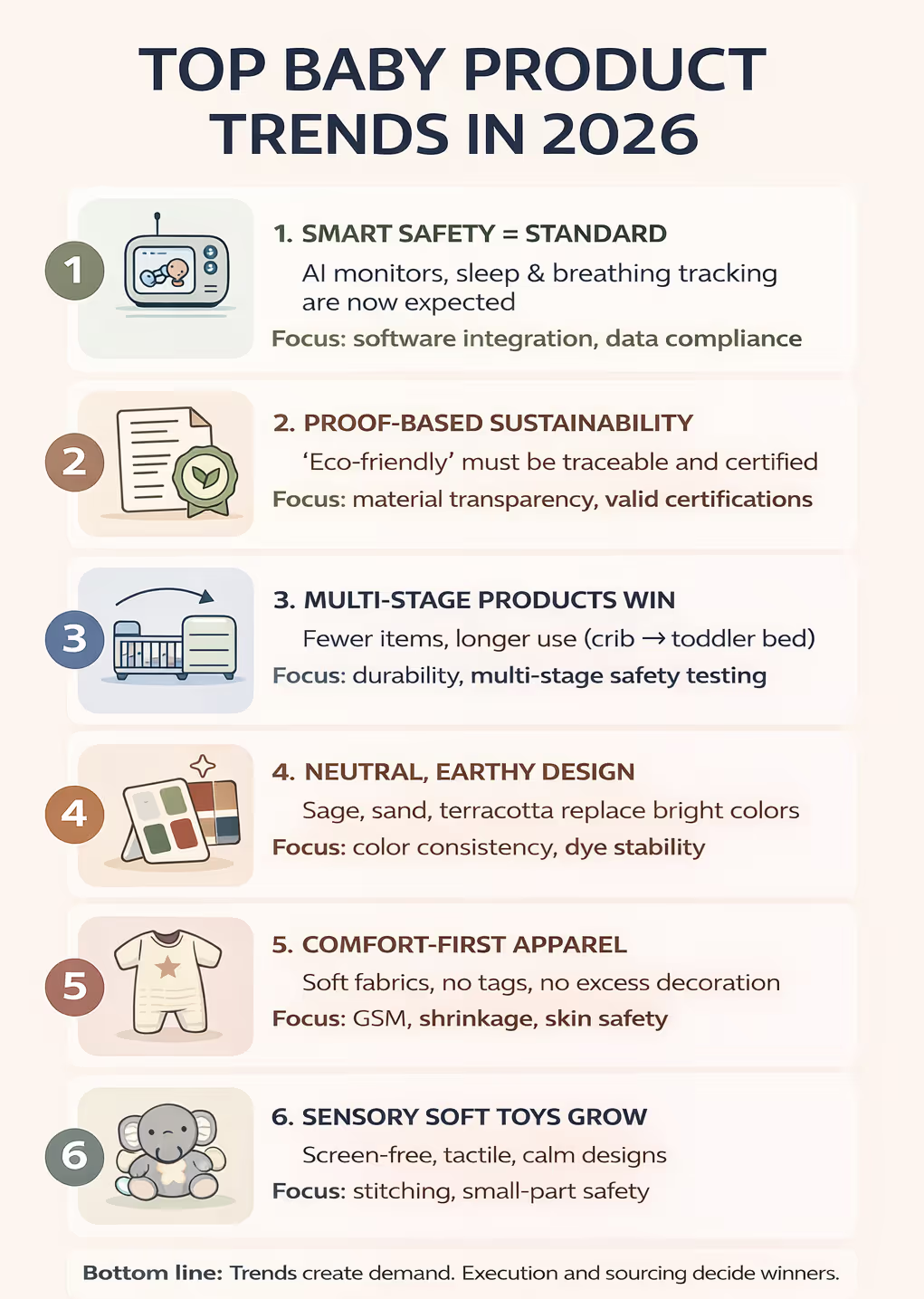
1. Smart & Connected Safety Is Becoming Baseline
Trend reality: AI-powered baby monitors, sleep trackers, and breathing sensors are no longer niche. They are becoming expected in mid- to high-end product lines.
What’s driving it
Parents want data-backed reassurance, not guesswork
Better sensors + cheaper hardware
Higher awareness of sleep safety and SIDS prevention
Buyer mindset shift: “No eco-friendliness, no purchase.”
3. Multi-Stage Products Are Winning Shelf Space
Parents are buying fewer items that last longer.
Popular examples
High chairs → booster seats → toddler chairs
Cribs → toddler beds → daybeds
Play gyms → activity tables → storage units
Why this matters
Smaller living spaces
Sustainability concerns
Higher resale value
What to evaluate when sourcing
Structural durability across stages
Conversion mechanisms (pins, screws, locks)
Safety compliance for each configuration
Compliance note: Each stage may require separate safety testing. One certificate is not enough.
4. Earthy, Neutral Design Is Replacing Bright Colors
Bright primary colors are declining.Sage, khaki, terracotta, sand, and muted greys are rising.
Why
Fits modern home aesthetics
Easier to clean and resell
Gender-neutral by default
Product categories affected
Nursery furniture
Strollers and carriers
Apparel and bedding
Sourcing reality
Color consistency matters more
Dye stability and wash testing become critical
Fewer SKUs, tighter QC expectations
5. Comfort-First Apparel Is Non-Negotiable
Parents are prioritizing comfort over decoration.
Design principles
Soft, breathable fabrics
Flat seams
Tagless or printed labels
Stretch without compression
Common fabrics
Organic cotton jersey
Modal blends
Bamboo-cotton hybrids
What to check
Fabric GSM consistency
Shrinkage after washing
Skin irritation testing
Avoid
Decorative elements that add no functional value
Over-engineered designs that increase defect rates
6. Soft Goods for Sensory Development Are Growing
Not all toys need screens.
What’s trending
Plush toys with tactile features (crinkle, ribbons, textures)
Animal-themed designs with diversity representation
Calm, neutral palettes over loud patterns
Sourcing considerations
Stitching durability
Small-part risk assessment
Washability testing
Safety note: Soft does not mean low risk. Choking and seam failures remain top audit issues.
Spotting a trend is only step one. The real advantage comes from seeing it early, validating it with data, and translating it into sourcing decisions you can stand behind.
How SourceReady Helps You Spot These Trends Earlier
1. Identify Baby Product Trends Early
Most sourcing teams discover trends too late—after competitors have already launched and retailers are saturated.
SourceReady helps you see early demand signals by continuously tracking real market activity across baby product categories, including:
Compliance and testing needs (CPSC, CPSIA, EN standards, material certifications)
Instead of vague briefs like “eco-friendly baby product” or “premium multi-stage furniture,” you move forward with a concrete sourcing framework that suppliers can realistically respond to—and that holds up during audits.
3. Find Suppliers That Can Actually Execute
In baby products, execution risk is high. Many suppliers claim experience—but far fewer can deliver consistent quality, regulatory compliance, and on-time production at scale.
SourceReady structures supplier data around verified capabilities, helping you:
Match trends to suppliers with proven baby-category production history
Filter out factories that lack required certifications or testing readiness
Compare suppliers based on lead time, cost structure, and execution fit
This significantly reduces:
Wasted outreach to unsuitable factories
Late-stage compliance surprises
Costly redesigns after sampling
Instead of guessing who might work, you focus on suppliers who already align with what the 2026 baby market actually demands.
Conclusion
Baby product trends in 2026 are defined by intentional buying and higher accountability. Parents want fewer products, but they expect them to be safer, smarter, more sustainable, and built to last. Regulators and retailers are reinforcing these expectations with stricter requirements and lower tolerance for ambiguity.
For sourcing teams, this changes the job. You are no longer optimizing for cost alone. You are balancing compliance, durability, and long-term value—often under tighter timelines.
Winning brands will be the ones that validate trends with real supplier data, choose manufacturers who understand baby-category risk, and design products with lifecycle thinking from day one.
SourceReady supports this shift by giving you early trend visibility and supplier-level verification, so you can move faster without cutting corners. In 2026, success in baby products won’t come from chasing trends—it will come from sourcing them correctly.
Find the sourcing tools you need.
Explore how SourceReady helps you research products, discover suppliers, verify factory information, analyze trade data, and manage your sourcing workflow in one place
Graduating from USC with a background in business and marketing, Judy Chen has spent over a decade working in e-commerce, specializing in sourcing and supplier management. Her experience includes developing strategies to optimize supplier relationships and streamline procurement processes for growing businesses. As SourceReady’s blog writer, Judy leverages her deep understanding of sourcing challenges to create insightful content that helps readers navigate the complexities of global supply chains.