Finding certified suppliers isn’t about browsing more—it’s about filtering smarter from the start. This guide shows how to align region, category, and certification standards so you avoid unqualified suppliers early. You’ll learn where each region excels, which certifications actually matter, and how to verify them before outreach. It also introduces a data-first approach using tools like SourceReady, which lets you search 4M+ suppliers globally using natural language and access shipment history, certifications, and risk signals in one place. The goal: reduce sourcing risk and move faster with confidence.
There’s a better way to source ❤️
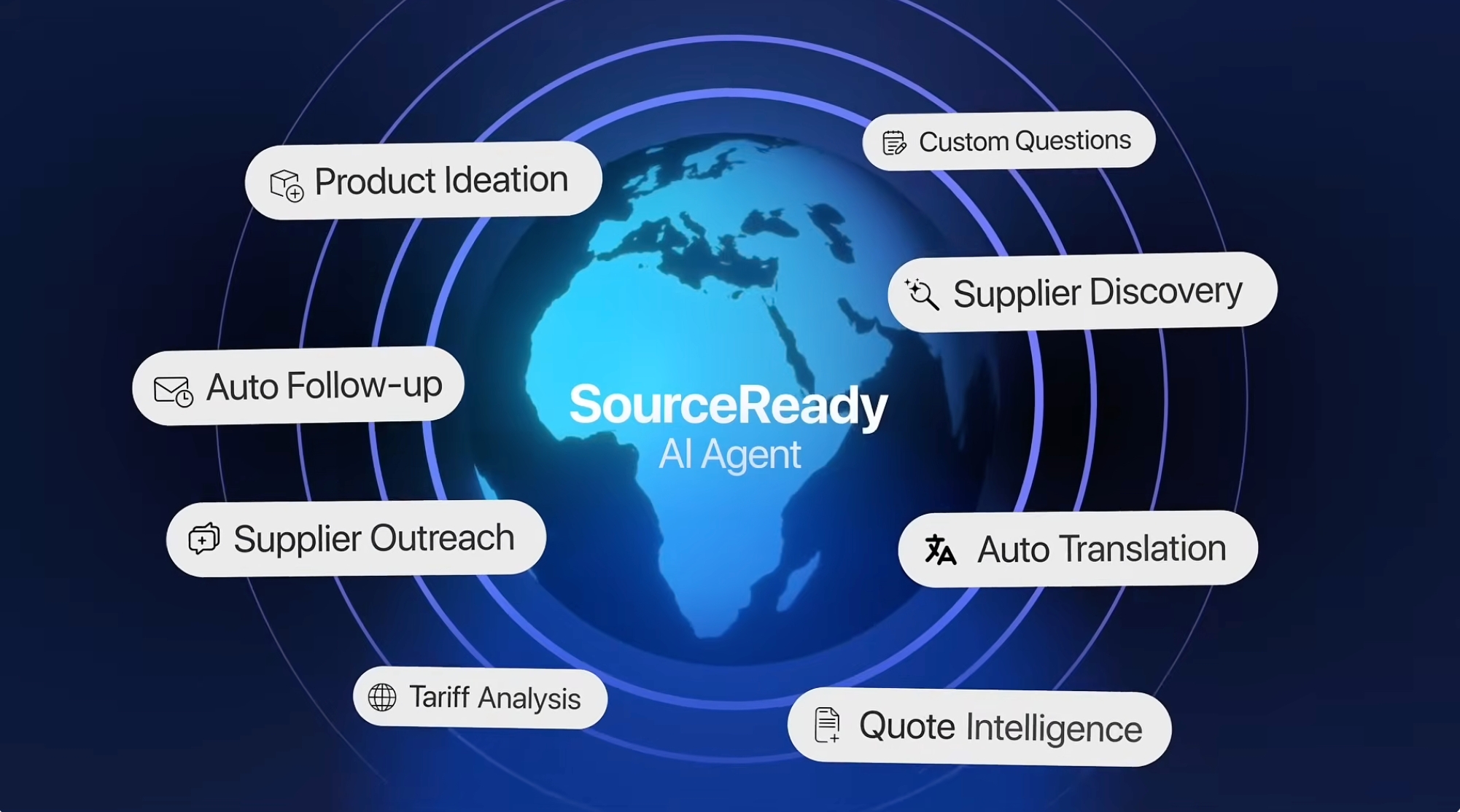
Watch the video to see how SourceReady helps brands move from product ideas to trusted supplier relationships faster
Where should you start when looking for certified suppliers?
If you’re serious about sourcing, “certified” isn’t a nice-to-have—it’s your baseline. Certifications validate process, compliance, and reliability. Without them, you’re guessing.
Start by defining what “certified” means for your category:
Think of it like this: certification is your first filter, not your final check.
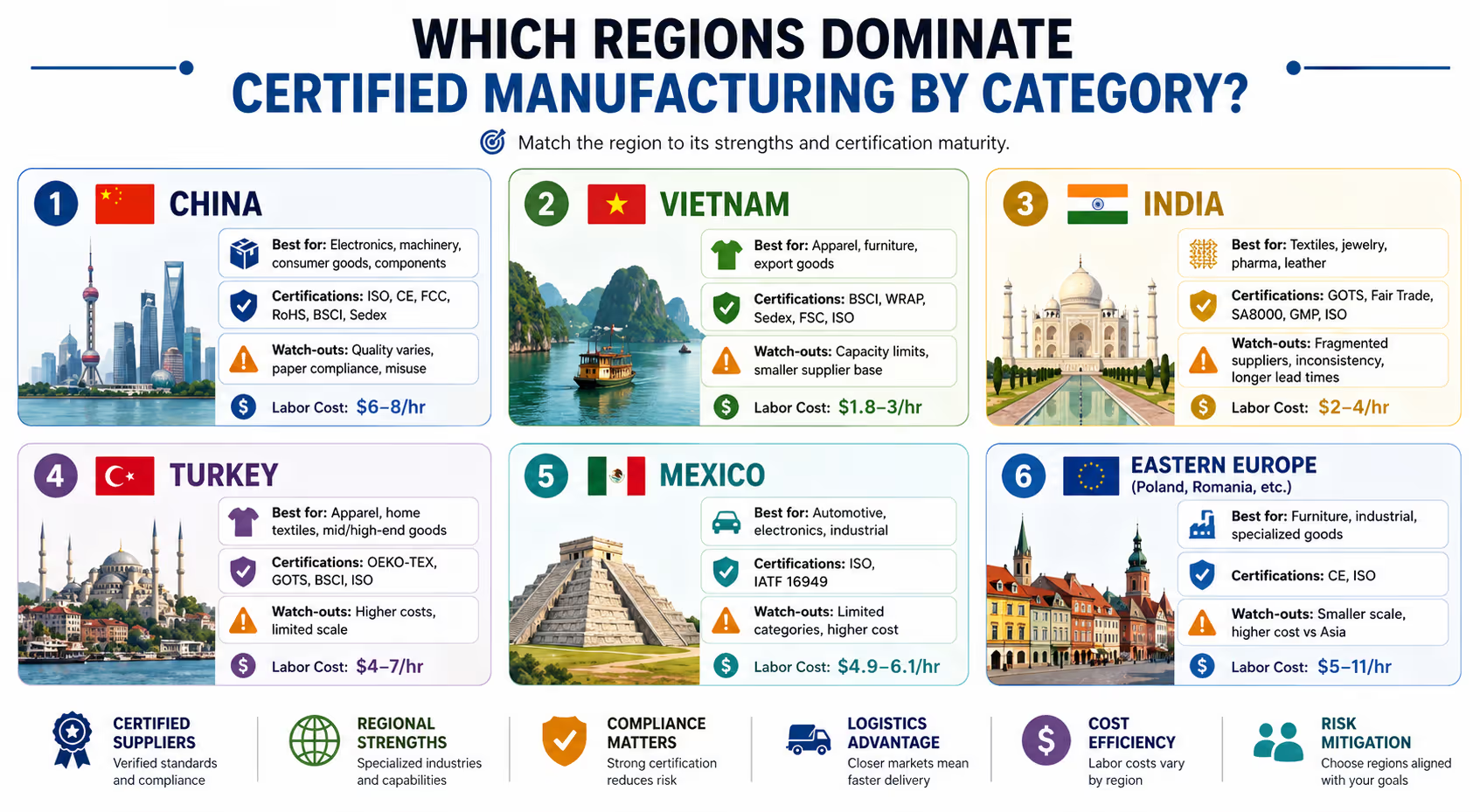
Which regions dominate certified manufacturing by category?
You don’t pick a region randomly—you align it with what it already does well and how mature its certification ecosystem is. Below is a breakdown by region, with what actually matters when you’re sourcing.
1. China: Where scale meets certification depth
If you need volume, variety, and mature certification infrastructure, China is still the default.
Where it dominates:
Electronics
Machinery
Consumer goods (everything from home goods to packaging)
Components and sub-assemblies
Certification landscape:
ISO 9001 / ISO 14001: widely adopted, often baseline
CE, FCC, RoHS: standard for export-oriented factories
BSCI / Sedex: common for social compliance (especially with EU buyers)
What this means for you:
You’ll find plenty of certified suppliers—but quality varies
Certification is often checkbox-driven, so verification is critical
Best region if you need multiple certifications under one roof
Watch-outs:
Certificate misuse (shared across entities)
Inconsistent audit quality between factories
“Paper compliance” vs actual operational compliance
Typical manufacturing labor cost:
~$6 – $8/hour depending on region and skill level
Benchmark comparisons show ~$6.50/hour average
2. Vietnam: Export-ready and compliance-focused
Vietnam has positioned itself as a compliance-first alternative to China, especially for Western brands.
Where it dominates:
Apparel and footwear
Furniture (especially wood)
Consumer goods for export markets
Certification landscape:
BSCI / WRAP / Sedex: strong social compliance adoption
FSC: common in furniture and wood products
ISO standards: widely implemented in export factories
What this means for you:
Factories are often audit-ready by default
Strong alignment with US/EU compliance expectations
Better consistency in ethical and labor standards
Watch-outs:
Smaller supplier base than China
Capacity constraints during peak seasons
Pricing slightly higher for certified factories
Typical manufacturing labor cost:
~$1.8 – $3.0/hour
Often ~50% of China’s cost
3. India: Best for certified materials and specialized production
India shines when your product depends on materials, craftsmanship, or regulated inputs.
Where it dominates:
Textiles (especially organic and sustainable)
Gems and jewelry
Pharmaceuticals
Leather goods
Certification landscape:
GOTS: global leader in organic textiles
Fair Trade / SA8000: common in ethical supply chains
ISO / GMP: especially strong in pharma and chemicals
What this means for you:
Strong ecosystem for material-level certifications
Ideal for sustainability-driven brands
Deep expertise in non-mass-market production
Watch-outs:
Fragmented supplier landscape
Operational inconsistency across factories
Longer lead times and communication gaps
Typical manufacturing labor cost:
~$2 – $4/hour (varies widely by region and skill)
Often ~50% or less than China
4. Turkey: Fast, flexible, and EU-aligned
Turkey sits in a unique position: close to Europe, with strong compliance standards and shorter lead times.
Where it dominates:
Apparel and fashion
Home textiles
Mid- to high-end manufacturing
Certification landscape:
OEKO-TEX / GOTS: widely adopted in textiles
BSCI / Sedex: common for EU-facing suppliers
ISO standards: strong baseline compliance
What this means for you:
Faster production cycles than Asia
Easier logistics into Europe
Strong alignment with EU regulations and expectations
Watch-outs:
Higher costs compared to Asia
Limited scalability for very large orders
Currency volatility can impact pricing
Typical manufacturing labor cost:
~$4 – $7/hour (varies by sector and inflation)
5. Mexico: Nearshoring with strict industrial standards
Mexico is not a general sourcing hub—it’s a specialized, high-compliance manufacturing base, especially for North America.
Where it dominates:
Automotive
Electronics assembly
Industrial manufacturing
Certification landscape:
ISO 9001 / ISO 14001
IATF 16949: critical for automotive
Strong alignment with US regulatory standards
What this means for you:
High-quality, process-driven manufacturing
Easier communication and logistics for US buyers
Reduced geopolitical and tariff risk (depending on policy shifts)
5. Use AI-driven sourcing tools to pre-filter certified suppliers
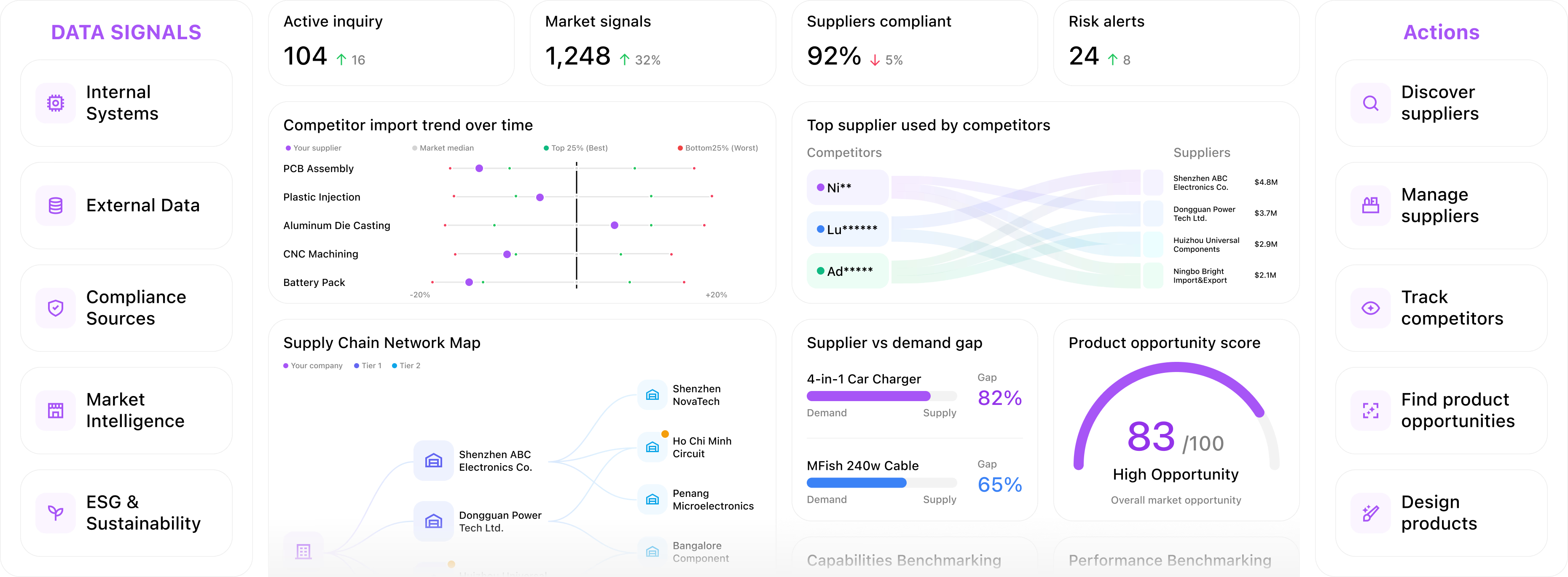
This is where modern sourcing is shifting. Instead of manually stitching together directories + spreadsheets, you can start with structured, verified supplier datasets.
For example: SourceReady aggregates supplier data from trade shows, customs records, certification-linked datasets
What you can actually do with it:
Use natural language search instead of rigid filters
e.g., “GOTS-certified cotton hoodie manufacturers in India exporting to the US”
e.g., “BSCI-audited furniture suppliers in Vietnam with EU clients”
Access detailed supplier profiles including:
Shipment history → who they supply, where they export
Certification data → structured, comparable across suppliers
Sanction screening → flag compliance and legal risks early
Analyze the competitive sourcing landscape
See where competitors are sourcing from
Identify proven supplier clusters by region
Spot patterns in certified supply chains
What this changes for you:
You’re not manually filtering thousands of suppliers
You’re querying a dataset the same way you think
You start with suppliers that already show: Real export activity, compliance signals and market validation
What certifications should you prioritize by category?
Not all certifications are equal. Some are mandatory. Others are signal boosters.
1. Apparel & Textiles
GOTS (organic textiles)
OEKO-TEX (chemical safety)
BSCI / Sedex (social compliance)
WRAP (ethical manufacturing)
👉 If you're building a brand, these are non-negotiable.
2. Electronics
CE (EU compliance)
FCC (US compliance)
RoHS (hazardous substances)
ISO 9001 (quality management)
👉 Missing these = customs issues or product recalls.
“In progress” certifications (means not certified)
Refusal to share certificate numbers
If you see any of these, don’t negotiate—move on.
Conclusion
In sourcing, certification is your first line of defense—not your final checkbox. If you align the right region, category, and certification standards upfront, you eliminate most risk before it starts. The rest comes down to disciplined verification and using the right data. Instead of chasing suppliers, focus on filtering for proven ones with real compliance signals.
If you want to move faster and reduce risk, start with a data-first approach—tools like SourceReady let you search, validate, and benchmark suppliers in one place.
FAQ
1. What does “certified supplier” actually mean?
A certified supplier has been audited by a third party against defined standards (quality, safety, environmental, or social). It’s not self-declared—it must be issued by a recognized certification body.
2. How often do certifications need to be renewed?
Most certifications are valid for 1–3 years, with periodic audits:
ISO: typically annual surveillance audits
BSCI/Sedex: often yearly or biannual
GOTS/OEKO-TEX: annual renewal
Expired certificates = not valid, even if recently expired.
Find the sourcing tools you need.
Explore how SourceReady helps you research products, discover suppliers, verify factory information, analyze trade data, and manage your sourcing workflow in one place
Graduating from USC with a background in business and marketing, Judy Chen has spent over a decade working in e-commerce, specializing in sourcing and supplier management. Her experience includes developing strategies to optimize supplier relationships and streamline procurement processes for growing businesses. As SourceReady’s blog writer, Judy leverages her deep understanding of sourcing challenges to create insightful content that helps readers navigate the complexities of global supply chains.