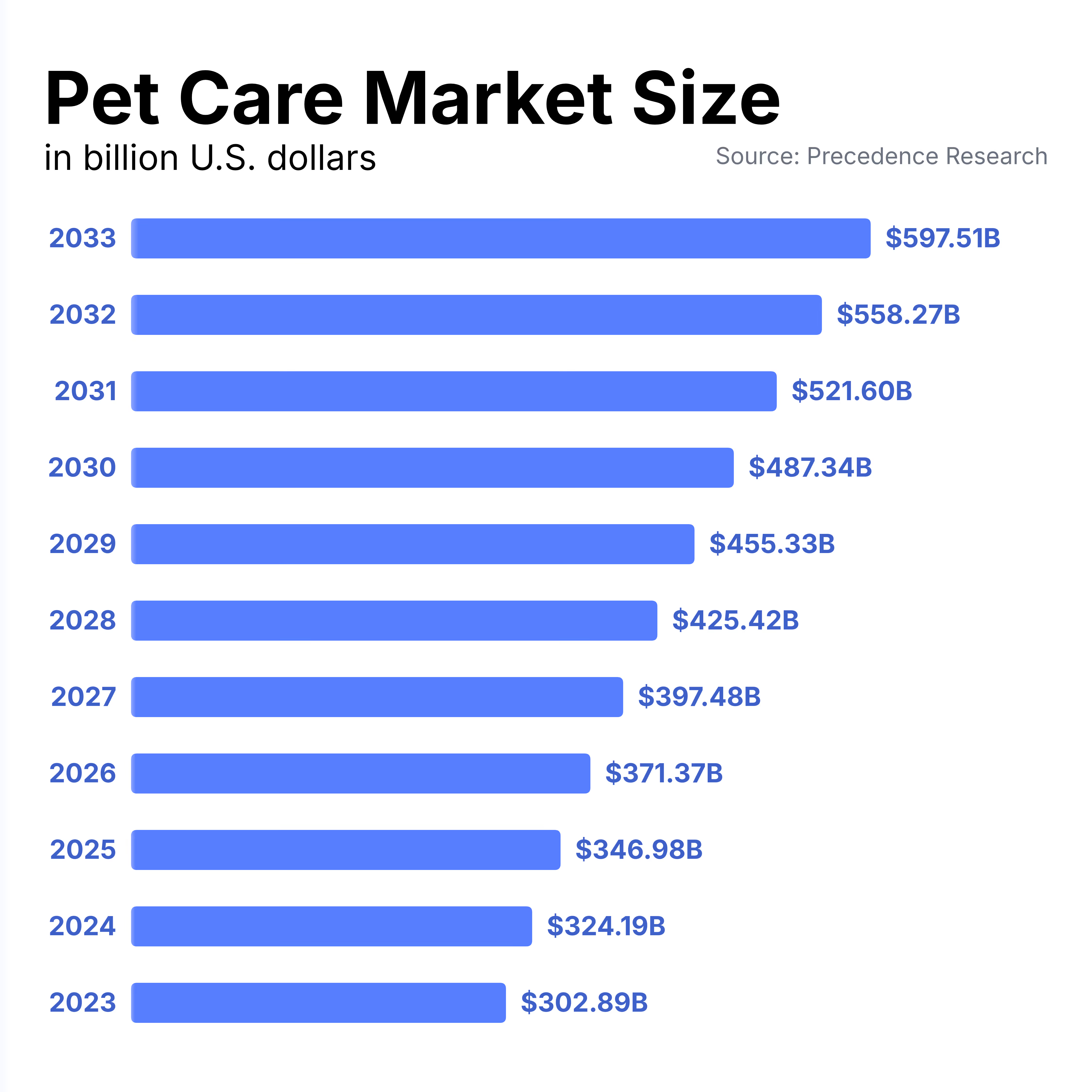
The global pet products market is projected to surpass $597 by 2033, with premium categories growing fastest. But the headline isn’t just market size—it’s expectations. Pet owners now demand the same standards they apply to human products: personalization, transparency, wellness outcomes, and design that fits modern life.
For brands, this shift changes everything. Winning in 2026 isn’t about adding more SKUs. It’s about making smarter product decisions—what to build, where to source it, and how to justify cost, compliance, and differentiation.
This article breaks down the pet product trends that matter in 2026, what’s driving demand, and how you should translate those signals into real sourcing and product decisions. If you’re responsible for product strategy, sourcing, or brand expansion, this is your playbook.
There’s a better way to source ❤️
Watch the video to see how SourceReady helps brands move from product ideas to trusted supplier relationships faster
1. Hyper-Personalized Nutrition Moves from Premium to Expected
Generic pet food is rapidly losing relevance. In 2026, pet owners increasingly expect nutrition tailored to their specific animal, not a broad life-stage label.
What’s driving this shift:
Greater awareness of gut health and digestion in pets
Increased availability of microbiome testing and health data
Owner familiarity with personalized nutrition in human health
What’s changing in 2026:
Microbiome testing informs food, supplements, and probiotics
AI-driven diet plans adapt over time as pets age or routines change
Alternative proteins, especially insect protein, gain adoption for both sustainability and allergy management
Why it matters for you:
Personalization supports higher price points and stickier subscriptions
SKUs become more complex, but lifetime value increases
Ingredient sourcing, formulation, and compliance requirements rise sharply
You are no longer selling “pet food.” You are selling preventive healthcare through nutrition—and that requires tighter sourcing discipline.
2. Holistic Wellness Goes Beyond Physical Health
Wellness in pet products is expanding beyond joints, coats, and digestion. Mental and emotional health are now core to product design.
Why this is happening:
Urban environments increase stress and stimulation overload
Pets are living longer, increasing age-related cognitive issues
Owners increasingly interpret behavioral issues as wellness problems, not training failures
High-growth categories include:
Calming and anxiety-reduction products (CBD-infused items, sensory toys)
Cognitive enrichment to prevent boredom and behavioral decline
Dental, skin, and coat care with functional, active ingredients
Products that promise comfort, calm, and longevity outperform those that only address visible symptoms. This trend favors brands that can substantiate claims and source consistent, compliant ingredients.
3. Advanced Pet Tech Becomes a Core Category
Pet technology is no longer a novelty category. In 2026, it is becoming part of the baseline care stack.
What’s already mainstream:
Smart feeders with portion control and scheduling
Activity and sleep tracking
Health-monitoring wearables that flag behavior changes
What’s emerging next:
Vet-integrated wearables and remote diagnostics
AI-driven insights that translate data into actionable care
Subscription software layered on top of hardware
For brands, this raises the bar. Hardware alone is not enough. Success depends on data accuracy, reliability, regulatory compliance, and long-term support. Poor execution leads not just to churn, but reputational risk.
4. Sustainability and Transparency Are Non-Negotiable
Sustainability has moved from a marketing claim to a purchase requirement.
Pet owners increasingly expect:
Ethically sourced ingredients
Sustainable or recyclable packaging
Clear explanations of where products come from and why
Alternative proteins like insects and plant-based additives are gaining traction not just for environmental reasons, but because they:
Reduce supply-chain volatility
Lower long-term input costs
Address allergy and intolerance concerns
If you cannot explain your sourcing decisions clearly, trust erodes quickly—especially in food and wellness categories.
5. Functional Foods and Treats Replace Empty Calories
Treats are no longer indulgences. They are becoming functional delivery systems for health benefits.
Fast-growing formats include:
Probiotics and prebiotics
Fresh, frozen, and freeze-dried meals
Supplements targeting digestion, immunity, joints, and cognition
For sourcing and product teams, this changes the equation:
Ingredient specifications become tighter
Testing and compliance requirements increase
Shelf-life and cold-chain considerations matter more
Margins are strong in functional foods—but the cost of mistakes is high. This category rewards disciplined sourcing and early feasibility validation.
6. Convenience and Automation Drive Daily Adoption
Automation in pet care is no longer optional. It’s expected.
High-demand products include:
Self-cleaning litter boxes
Automated feeders
Subscription-based replenishment and refills
What’s changed in 2026 is expectations around quality. Automation must now be:
Quiet and reliable
Easy to clean and maintain
Visually acceptable in modern homes
Bad UX leads to rapid abandonment. Good design, durability, and serviceability compound loyalty over time.
7. Human-Like Experiences Shape Product Design
Pet products increasingly reflect human lifestyle trends, not traditional pet aisles.
High-performing categories include:
Premium outdoor and travel gear
Cooling vests and ergonomic harnesses
High-comfort beds and furniture-grade accessories
These products sell because they support shared experiences. Owners are not just buying for their pets—they are buying for their own identity, routines, and values.
How SourceReady Helps You Turn Pet Trends into Executable Products
Spotting a trend is only step one. The real advantage comes from seeing it early, validating it with data, and translating it into sourcing decisions you can stand behind.
This is where SourceReady operates—not as a marketplace, but as an end-to-end intelligence layer between demand signals and supplier execution.
1. Identify Pet Product Trends Early
Most teams discover trends too late—after they’ve already shown up in competitor launches.
SourceReady continuously scans marketplaces, brand websites, and product listings 24/7 to surface early demand signals across categories like:
Functional pet food and supplements
Pet tech and smart devices
Wellness, grooming, and lifestyle products
By tracking product launches, category growth, ingredient usage, and positioning shifts, SourceReady helps you see:
What’s gaining traction
Which subcategories are accelerating
Where consumer expectations are moving
This gives you a data-backed starting point, not a gut feeling or anecdote.
2. Translate Trends into Sourcing-Ready Inputs
Trends only become useful when they’re converted into clear execution requirements.
Once a trend is identified, SourceReady helps you break it down into sourcing-relevant inputs, including:
Materials and formulations (e.g. insect protein, probiotics, smart components)
Compliance and testing needs (FDA, feed standards, certifications)
Instead of vague briefs like “premium wellness product,” you move forward with a concrete sourcing framework that suppliers can actually respond to.
3. Find Suppliers That Can Actually Execute
In pet products, execution risk is high. Many suppliers claim experience—but only a subset can deliver at scale, on time, and within regulatory constraints.
SourceReady’s supplier data is structured around verified capabilities, helping you:
Match trends to suppliers with relevant production history
Filter out factories that can’t meet compliance or quality requirements
Compare suppliers on lead time, cost structure, and execution fit
This dramatically reduces wasted outreach and accelerates early-stage validation.
Conclusion: Build the Right Mix, Not Just the Next Product
Pet products in 2026 sit at the intersection of wellness, technology, and values. Success doesn’t come from chasing hype—it comes from disciplined execution.
The best brands:
Choose trends that match their operational strengths
Align sourcing with cost, compliance, and scalability
Treat suppliers as strategic assets, not line items
If you want to turn trends into profitable SKUs, you need visibility—into demand, suppliers, and execution risk. Platforms like SourceReady help you bridge that gap, so your next product launch is backed by data, not guesswork.
The opportunity is real. The margin is there. The question is whether your sourcing strategy is ready.
FAQ
1. What are the risks of launching new pet products?
The biggest risks include:
Compliance failures (especially food and supplements)
Inaccurate cost or lead-time assumptions
Supplier capability gaps
Overestimating demand without proper validation
Early feasibility checks and disciplined sourcing are essential.
2. How can brands validate pet product demand before scaling?
Effective validation methods include:
Small-batch production or preorders
Marketplace traction analysis
Conversion-tested landing pages
Buyer or wholesale feedback
Find the sourcing tools you need.
Explore how SourceReady helps you research products, discover suppliers, verify factory information, analyze trade data, and manage your sourcing workflow in one place
Graduating from USC with a background in business and marketing, Judy Chen has spent over a decade working in e-commerce, specializing in sourcing and supplier management. Her experience includes developing strategies to optimize supplier relationships and streamline procurement processes for growing businesses. As SourceReady’s blog writer, Judy leverages her deep understanding of sourcing challenges to create insightful content that helps readers navigate the complexities of global supply chains.