Supplier shortlisting is no longer just a sourcing exercise. It is a compliance checkpoint. The right platforms help you find qualified suppliers, verify business activity, screen for risk, and document why each supplier made the list. This guide shows you how to build a compliant supplier shortlist using tools like SourceReady, Thomasnet, Panjiva, Dun & Bradstreet, and Sedex. The goal is simple: move faster, reduce risk, and create a shortlist your procurement, legal, and leadership teams can trust.
There's a better way to source ❤️
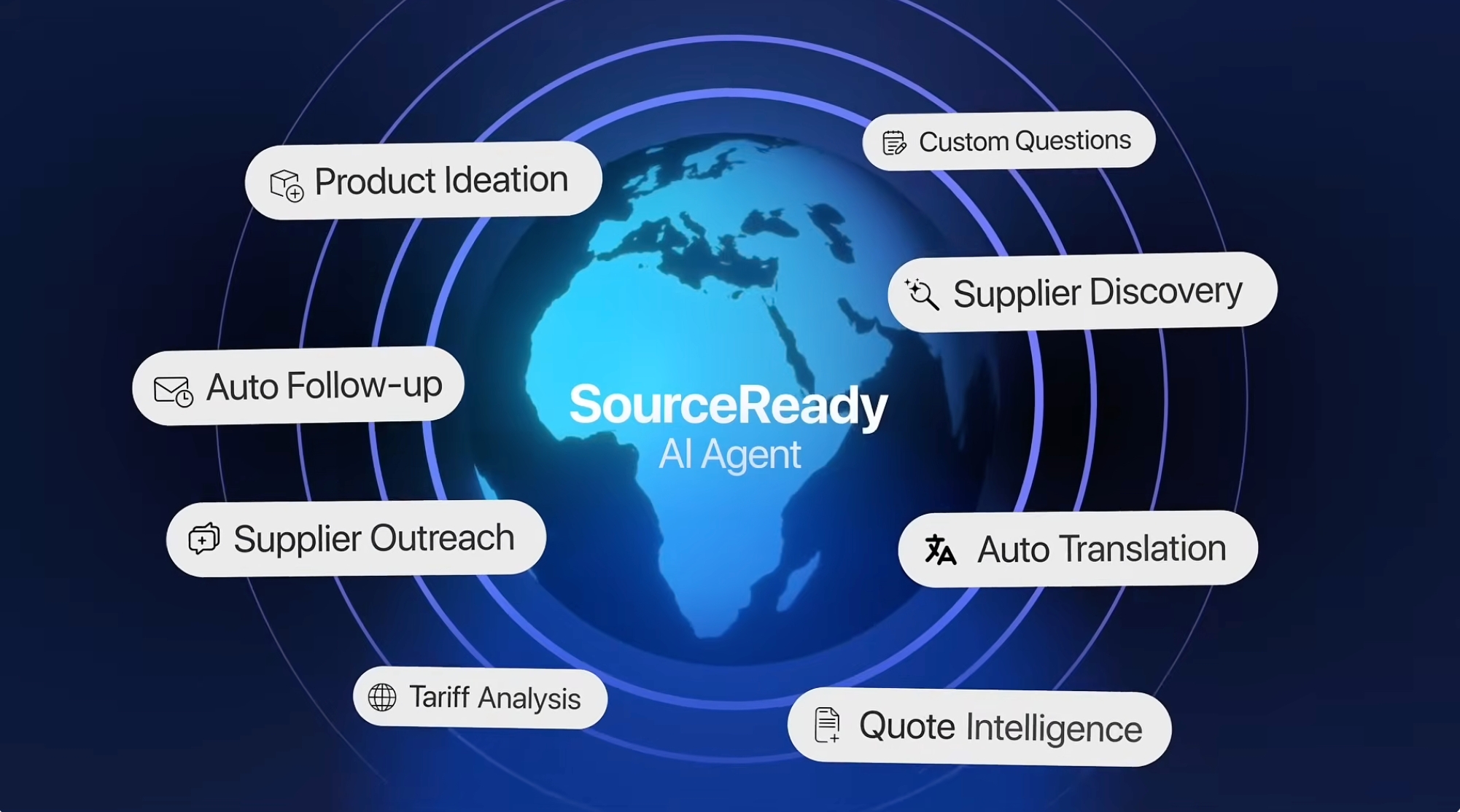
Watch the video to see how SourceReady helps brands move from product ideas to trusted supplier relationships faster
Watch the VideoWhy does supplier shortlist compliance matter more now?
Supplier selection used to be mostly about price, quality, and lead time. Those still matter. But now, the wrong supplier can create legal, financial, and reputational risk before the first purchase order is even issued.
Regulators are raising the bar on supply chain due diligence. In the U.S., CBP enforces the Uyghur Forced Labor Prevention Act. In the EU, new rules like the Corporate Sustainability Due Diligence Directive and the forced labor product ban are pushing companies to prove they understand risk across their supply chains.
A weak shortlist can expose you to:
- Shipment holds if origin, inputs, or labor risk are questioned.
- Customer loss if enterprise buyers require traceability.
- Contract risk if you cannot support compliance warranties.
- Brand damage if supplier issues become public.
- Rework if legal rejects suppliers after weeks of sourcing effort.
The practical takeaway: build compliance into the shortlist stage, not after supplier selection. A clean, evidence-backed shortlist helps procurement, legal, and leadership see why each supplier made the cut.
What makes a supplier shortlist “compliant” instead of just convenient?
A compliant supplier shortlist is not a spreadsheet of companies that look good. It is a defensible buying decision in progress.
That means every supplier on the list should have a clear reason for inclusion, a known risk profile, and enough evidence for procurement, legal, finance, and compliance to review without playing detective.
At minimum, your shortlist should answer five questions:
- Who is the supplier? Legal entity, ownership, address, related entities, and business status.
- What do they actually make or export? Product categories, shipment history, production capabilities, and customer references where available.
- Can they meet your compliance requirements? Certifications, audit history, sanctions exposure, forced labor risk, ESG indicators, and restricted-party screening.
- Can they perform commercially? MOQ, lead time, capacity, pricing fit, communication quality, and responsiveness.
- Can you prove your process? Search criteria, source data, screening dates, decisions, rejected suppliers, and escalation notes.
That last point matters. A good shortlist is not only about choosing better suppliers. It is about showing that you followed a reasonable process. Compliance loves receipts. Procurement should too.
Which platforms should you use to build the shortlist?
You should not rely on one platform for the whole job. A compliant supplier shortlist needs supplier discovery, commercial validation, risk screening, and documentation. Different platforms are stronger at different parts of that workflow.
Here are five platforms worth considering.
1. SourceReady
Use SourceReady when you need to move from product requirements to a structured supplier shortlist. It helps you search suppliers by product category, country, capabilities, certifications, and sourcing fit.
For a compliance-ready workflow, SourceReady can help you organize:
Supplier options by product and region.
Supplier comparison criteria.
RFQ activity.
Notes and decision context.
Shortlist-ready supplier profiles.
It works best at the discovery and shortlist-building stage. You still need to verify key claims before final approval, but it helps reduce the chaos of scattered searches, inbox threads, and spreadsheets.
2. Thomasnet
Use Thomasnet if you want suppliers in North America, especially for industrial, manufacturing, and B2B categories.
It is useful for:
Finding domestic manufacturers.
Identifying distributors and service providers.
Comparing capabilities.
Sourcing lower-risk regional suppliers.
Thomasnet is less useful if your sourcing strategy depends heavily on Asia, Latin America, or cross-border manufacturing. But for U.S.-based sourcing, it is a strong starting point.
3. Panjiva
Use Panjiva when you want to verify whether a supplier is actually active in global trade.
It helps you check:
- Shipment history.
- Product descriptions.
- Buyer relationships.
- Trade lanes.
- Export frequency.
- Related entities.
This is where you move from “they say they make this” to “there is evidence they have shipped this.” That distinction matters.
4. Dun & Bradstreet
Use Dun & Bradstreet when you need business identity and supplier risk checks.
It can support:
- Company verification.
- Ownership checks.
- Financial risk review.
- Restricted-party screening.
- Supplier monitoring.
This is useful once suppliers move from longlist to serious consideration. It gives your compliance and finance teams something more defensible than a nice website and a fast sales reply.
5. Sedex
Use Sedex when labor standards, responsible sourcing, and ESG risk matter.
It is especially relevant for categories with higher social compliance exposure, such as:
- Apparel.
- Textiles.
- Consumer goods.
- Food and agriculture.
- Beauty and personal care.
- Packaging.
Sedex should not replace your own due diligence, but it can strengthen your supplier review by adding ethical trade and responsible sourcing visibility.
How do you build the shortlist step by step?
A compliant shortlist should follow a simple path: define the need, find suppliers, verify the facts, screen the risks, then document the decision. Keep it structured. You are building an evidence trail, not just a contact list.
Step 1: Define what “qualified” means
Before you search, write down your sourcing requirements. Include the product specification, target countries, required certifications, expected order volume, budget range, delivery needs, and any restricted regions or supplier types.
This becomes your baseline. If a supplier does not match the baseline, they should not make the shortlist just because they replied quickly or had a nice factory photo.
Step 2: Build the first supplier list
Use platforms like SourceReady, Thomasnet, or other supplier discovery tools to identify potential suppliers. At this stage, your goal is not perfection. Your goal is coverage.
Look for suppliers that appear to match your product, region, capability, and certification needs. Capture the basics: company name, location, product category, website, contact details, and why they may be a fit.
Step 3: Check whether the supplier is real and relevant
Once you have a first list, verify the stronger candidates. Use trade data, company databases, certificates, business registrations, and public records where available.
You want to confirm two things: the supplier exists as a legitimate business, and they have evidence of making or shipping products similar to what you need. A polished website helps. Real operating evidence helps more.
Step 4: Run risk and compliance screening
Now check whether each supplier is reviewable from a compliance standpoint. This may include sanctions screening, ownership checks, forced labor exposure, ESG risk, financial stability, country risk, and certification validity.
You do not need every supplier to be perfect. You need to know the risks early. A supplier with a manageable documentation gap may stay on the list. A supplier with unresolved restricted-party risk should not.
Step 5: Score, compare, and document the decision
Create a simple scorecard that compares suppliers across product fit, compliance risk, commercial fit, operational reliability, and strategic fit.

Conclusion
A compliant supplier shortlist is not about adding more steps. It is about making better sourcing decisions earlier. When you define your requirements, verify supplier activity, screen for risk, and document each decision, you reduce surprises before they become expensive. The right platforms help you move faster without losing control of the process. They turn supplier discovery from a messy search into a repeatable, reviewable workflow.
Ready to build a supplier shortlist you can actually defend? Use SourceReady to discover, compare, and organize qualified suppliers with more confidence from day one.

Find the sourcing tools you need.
Explore how SourceReady helps you research products, discover suppliers, verify factory information, analyze trade data, and manage your sourcing workflow in one place
Explore Features
Graduating from USC with a background in business and marketing, Judy Chen has spent over a decade working in e-commerce, specializing in sourcing and supplier management. Her experience includes developing strategies to optimize supplier relationships and streamline procurement processes for growing businesses. As SourceReady’s blog writer, Judy leverages her deep understanding of sourcing challenges to create insightful content that helps readers navigate the complexities of global supply chains.