Finding the right supplier used to be slow. Now it’s risky too.
Global sourcing has expanded fast. More countries. More factories. More intermediaries. At the same time, brands are expected to move quicker, control costs, and meet stricter compliance requirements. One wrong supplier choice can lead to delays, quality issues, or regulatory trouble.
That’s why AI supplier matching tools are getting serious attention.
These tools aim to answer a simple question:
Given what you need, which suppliers actually make sense to talk to?
Used well, AI can cut weeks out of supplier discovery and reduce wasted outreach. Used poorly, it creates noise and false confidence.
In this guide, you’ll learn:
What AI supplier matching really does
Which tools exist today and what they’re actually good at
Where accuracy comes from—and where it breaks
How to think about using these tools in real sourcing work
There’s a better way to source ❤️
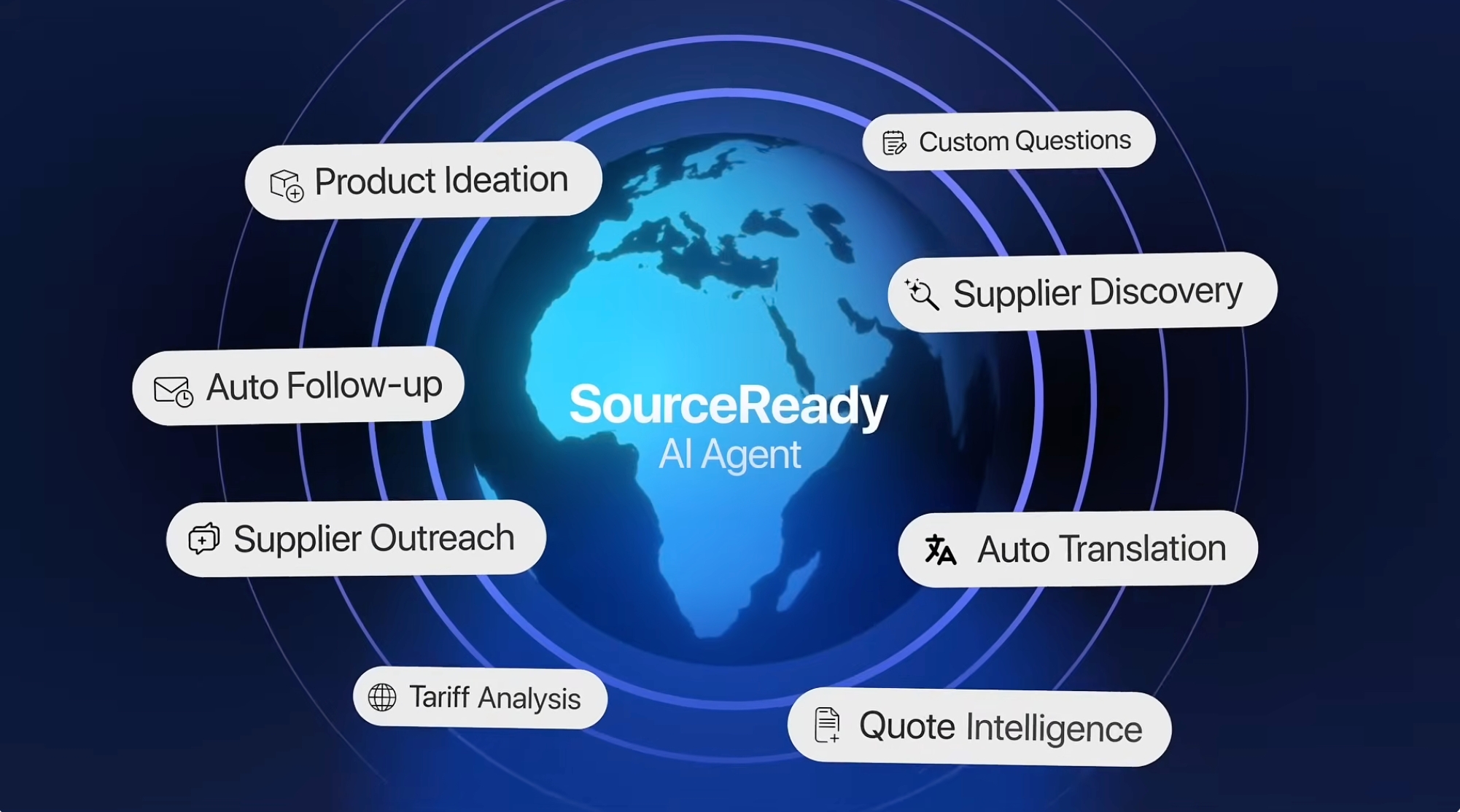
Watch the video to see how SourceReady helps brands move from product ideas to trusted supplier relationships faster
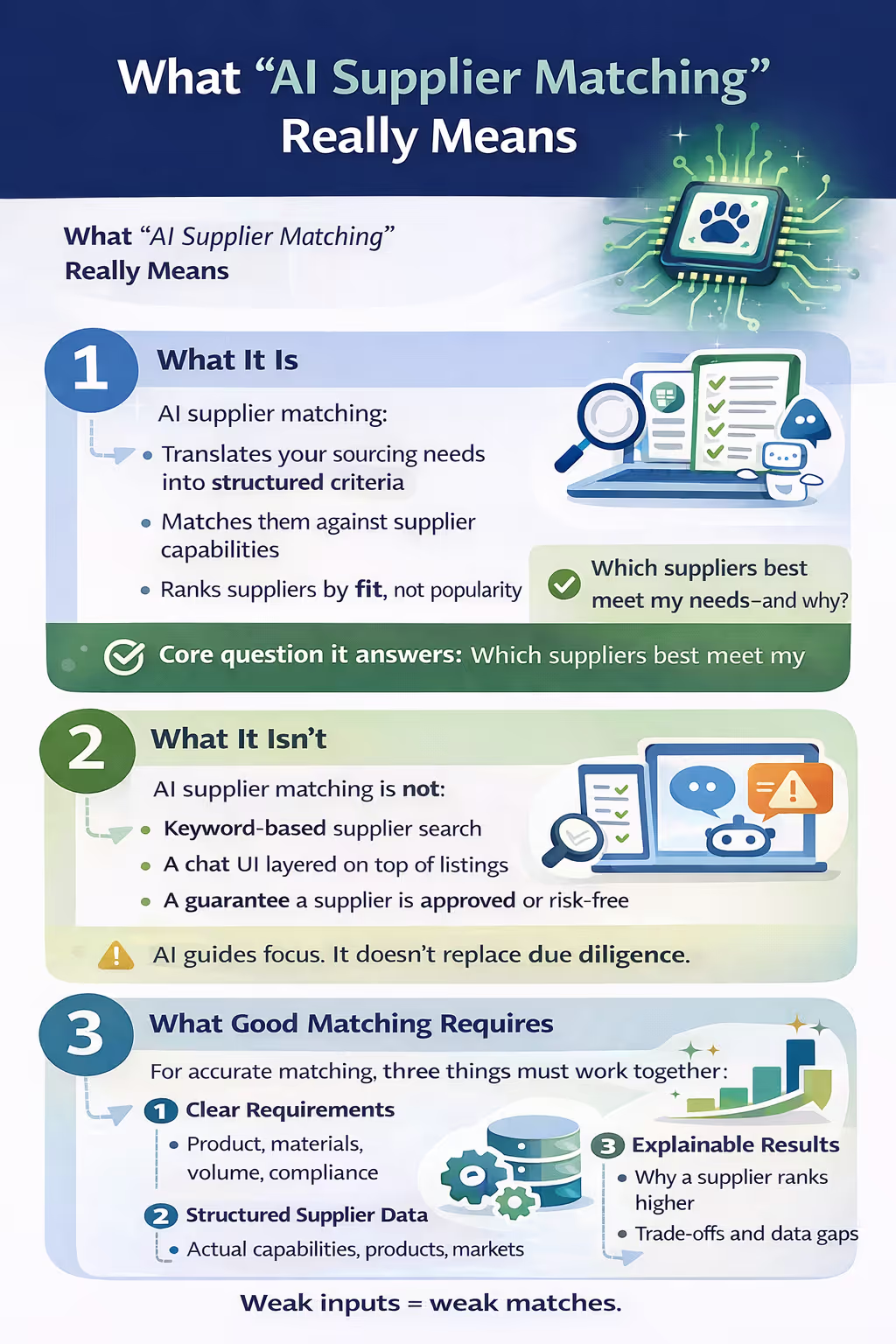
Which suppliers are most likely to meet my needs, and why?
What It Isn’t
AI supplier matching is not:
A keyword search engine
A chat interface slapped onto a supplier list
A guarantee that a supplier is “approved” or “safe”
AI does not replace due diligence. It helps you decide where to focus it.
What Good Matching Actually Requires
For AI matching to work well, three things must happen:
1. Your requirements must be understood
Product type
Materials and processes
Volume and MOQ
Country or compliance constraints
2. Supplier data must be structured
What they actually manufacture
What capabilities they have
What markets they serve
3. Matches must be explainable
Why this supplier scored higher
What trade-offs exist
What data is missing
If any of these are weak, match quality drops fast.
How Leading AI Supplier Matching Tools Compare
Different tools solve different sourcing problems. Some help you explore the market. Others help you manage existing suppliers. A few are built specifically to match your requirements to the right manufacturers.
Below is how commonly used tools compare in real sourcing workflows.
1. Alibaba
Alibaba is often the first tool sourcing teams use.
Strengths
Huge number of suppliers:
Alibaba gives you access to a very large pool of suppliers across almost every product category. This makes it useful when you want to see what types of manufacturers exist in the market.
Fast and easy to use:
You can search, filter, and contact suppliers quickly without setup or training. It’s accessible to almost any team.
Good for early exploration:
When you’re entering a new category and don’t yet know what’s possible, Alibaba helps you get a rough sense of pricing, capabilities, and supplier locations.
Limitations
Supplier information is mostly self-reported, so accuracy varies.
Factories and trading companies are mixed together.
Search results are keyword-based, not requirement-based.
Best for Initial discovery and market scanning, not final supplier selection.
2. Scoutbee
Scoutbee is designed specifically for supplier discovery using AI.
Strengths
AI-driven supplier discovery:
Scoutbee searches across a structured supplier database to find suppliers that match your sourcing criteria, rather than just keywords.
More structured supplier profiles:
Supplier information is organized by capabilities, products, and certifications, which makes comparison easier than marketplace listings.
Built for procurement teams:
Scoutbee fits well into strategic sourcing workflows and supports collaboration, RFIs, and supplier evaluation.
Limitations
Match explanations are more limited compared to newer AI-native tools.
Data depth and coverage can vary by industry and region.
Best for Procurement teams that want AI-assisted discovery and qualification of new suppliers.
3. SAP Ariba
SAP Ariba is widely used by large enterprises for supplier management.
Strengths
Strong supplier records:
Ariba excels at managing approved suppliers, including contracts, compliance documents, and performance history.
Audit and compliance support:
The platform is designed to support internal controls, approvals, and audit trails.
Integrated procurement workflows:
Supplier data connects directly to purchasing, invoicing, and finance processes.
Limitations
Not designed for discovering new suppliers from scratch.
Adding new suppliers is often manual and time-consuming.
Limited AI-based matching for external suppliers.
Best for Managing and governing existing suppliers, especially in large organizations.
4. Coupa
Coupa is another enterprise procurement platform with strong spend visibility.
Strengths
Centralized supplier management:
Coupa provides a single system to track suppliers, contracts, and spend data.
Strong internal controls:
Approval workflows and documentation are built in, which helps with compliance.
Good visibility into supplier spend:
Useful for analyzing where money is going across suppliers and categories.
Limitations
Limited capabilities for discovering new suppliers.
AI matching focuses more on spend analytics than supplier fit.
External supplier data coverage is relatively shallow.
Best for Spend management and supplier governance, not supplier discovery.
5. SourceReady
SourceReady is built specifically for AI-based supplier matching, not just discovery or management.
Strengths
Requirement-first matching:
You start by defining what you need—product type, materials, processes, MOQ, country. SourceReady matches suppliers based on these criteria.
Clear match scores and reasons:
Each supplier comes with an explanation of why it fits, making it easier to compare options and justify decisions internally.
Structured and comparable supplier data:
Supplier profiles follow a consistent structure, so differences in capability, scale, and compliance are easy to see.
Limitations
Requires reasonably clear input to perform best.
Not a replacement for final due diligence or factory audits.
Best for Teams that need accurate, fast, and explainable supplier shortlists, especially when sourcing new products or entering new countries.
Conclusion: Use the Right Tool for the Right Sourcing Job
AI supplier matching works best when you treat it as a decision-narrowing tool, not a decision-maker.
Different tools serve different purposes. Platforms like Alibaba help you explore what’s available. Enterprise systems like SAP Ariba or Coupa help you manage suppliers you already work with. Tools like Scoutbee assist with discovery. AI-native matching platforms such as SourceReady focus on turning clear requirements into short, usable supplier lists.
The most effective teams combine these tools instead of relying on one.
Start by clearly defining your BOM, target countries, and non-negotiable requirements. Use AI to quickly reduce thousands of suppliers to a manageable shortlist. Then apply commercial judgment, landed cost modeling, and supplier due diligence before making final decisions.
AI won’t replace sourcing expertise.
But used correctly, it helps you move faster, reduce noise, and make supplier decisions that stand up to internal review and real-world execution.
FAQ
1. Is AI supplier matching suitable for new product development?
Yes. It’s especially helpful when sourcing unfamiliar components, entering new categories, or exploring new countries where you don’t already have supplier relationships.
2. How should AI supplier matching fit into my sourcing workflow?
Use AI early to reduce the supplier pool. Then apply commercial evaluation, landed cost analysis, and compliance checks before making final decisions. AI helps you move faster, but people make the final call.
Find the sourcing tools you need.
Explore how SourceReady helps you research products, discover suppliers, verify factory information, analyze trade data, and manage your sourcing workflow in one place
Graduating from USC with a background in business and marketing, Judy Chen has spent over a decade working in e-commerce, specializing in sourcing and supplier management. Her experience includes developing strategies to optimize supplier relationships and streamline procurement processes for growing businesses. As SourceReady’s blog writer, Judy leverages her deep understanding of sourcing challenges to create insightful content that helps readers navigate the complexities of global supply chains.