Did you know that Italy is not only a culinary capital but also a global leader in kitchenware design and production?Italy's kitchenware industry blends craftsmanship, innovation, and heritage—making it a top sourcing destination for global buyers seeking superior quality and stylish design. From high-performance copper pans to hand-painted ceramics, Italian kitchenware elevates functionality into an art form.
However, sourcing from Italy requires more than just browsing catalogs. You need to understand regional specialties, vet suppliers, and navigate language, logistics, and product compliance issues.
In this guide, you’ll learn:
What makes Italian kitchenware world-renowned
Where to find top manufacturing hubs
What types of kitchenware are available
Common sourcing challenges and how to overcome them
The future trends shaping Italian kitchenware exports
Whether you're a retail buyer, private label entrepreneur, or culinary professional, this article will give you the clarity and tools to source with confidence.
There’s a better way to source ❤️
Watch the video to see how SourceReady helps brands move from product ideas to trusted supplier relationships faster
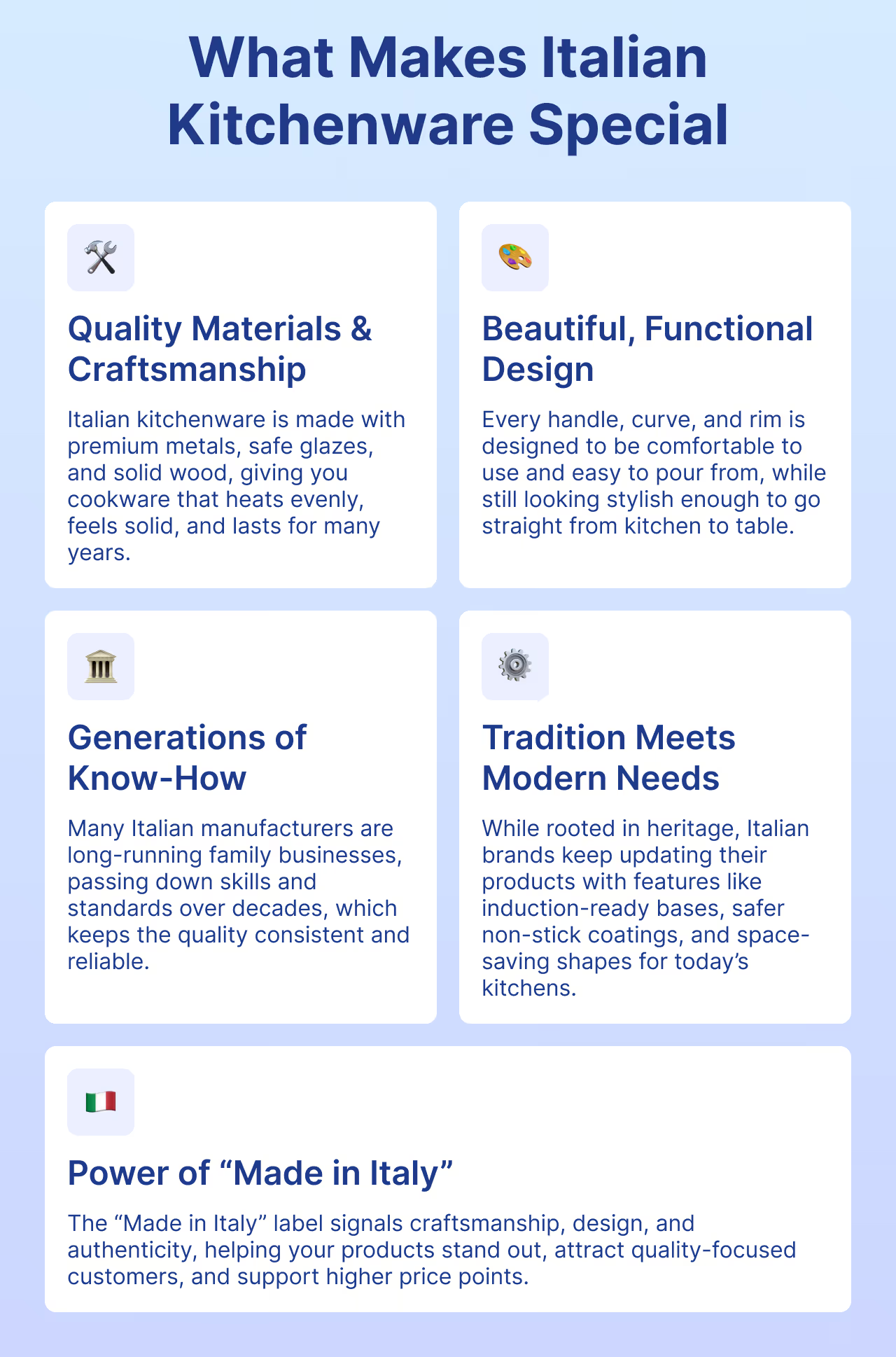
Italian kitchenware stands apart for its unique blend of heritage, precision, and design-driven functionality. It’s not just about pots and pans—it’s about creating tools that celebrate food, beauty, and enduring craftsmanship.
1. Uncompromising Craftsmanship and Materials
Italian kitchenware is often made using premium-grade metals (like 18/10 stainless steel, copper, and aluminum), lead-free glazes, and locally sourced wood. These materials ensure:
Excellent thermal conductivity and cooking performance
Non-reactive surfaces for food safety
Durability across decades of use
For instance, the Ruffoni family in Northern Italy has been producing hand-hammered copper cookware for over 60 years—pieces cherished in Michelin-starred kitchens and featured in luxury showrooms for their precision and elegance.
2. Design-Centered Utility
In Italy, design isn’t just decoration—it’s functional beauty. Every curve, handle, and pour spout is engineered for ease of use and aesthetic harmony.
Ergonomic handles make heavy pans easier to lift and control
Tapered edges ensure smooth pouring with no drips
Stylish finishes allow cookware to double as serveware
This approach ensures products don’t just perform well—they look great in open kitchens, restaurants, and retail displays.
3. Generational Know-How
Many of Italy’s most respected kitchenware manufacturers are family-run businesses, often in their third or fourth generation. These firms bring:
Deep artisanal knowledge passed down over decades
A culture of slow growth and meticulous quality control
Long-term employee loyalty, which results in consistent craftsmanship
For example, Lagostina, founded in 1901, still manufactures cookware in Piedmont with a strong emphasis on both innovation and tradition.
4. Focus on Innovation Through Tradition
While rooted in heritage, Italian manufacturers are highly adaptive. They integrate modern technologies to meet evolving kitchen needs, such as:
Induction-ready cookware bases for modern stoves
Non-toxic ceramic coatings for safer non-stick alternatives
Stackable, space-saving designs for compact kitchens
These updates allow classic Italian cookware to remain relevant in both professional and contemporary home kitchens.
5. Reputation and Brand Value
The “Made in Italy” mark is globally recognized as a symbol of premium craftsmanship and authenticity. Italian kitchenware carries cultural capital that enhances the value of your product line.
Adds credibility and prestige in retail settings
Appeals to design-conscious, quality-focused consumers
Often commands higher margins and repeat buyers
Whether you’re sourcing for a luxury catalog or a gourmet cooking brand, Italian kitchenware helps tell a compelling brand story rooted in artistry, utility, and European excellence.
Top Kitchenware Manufacturing Regions in Italy
Italy’s kitchenware excellence is regionalized, with specific areas specializing in certain types of products. Knowing where to look can help you narrow down your sourcing.
1. Lombardy and Veneto (Northern Italy): Metal and Industrial Cookware
Home to major producers like Ballarini, Lagostina, and Pentole Agnelli
Specialize in non-stick aluminum, stainless steel, and induction cookware
Most factories here use automated production lines while maintaining high quality standards
2. Tuscany and Umbria (Central Italy): Ceramics and Artisanal Pieces
Towns like Deruta and Montelupo Fiorentino produce centuries-old majolica ceramics
Perfect for decorative plates, oven-to-table bakeware, and hand-painted dishes
These regions cater to luxury home goods stores and boutique retailers
3. Campania and Puglia (Southern Italy): Rustic and Handcrafted Goods
Small workshops produce terracotta cookware, olive wood tools, and stone mills
Ideal for brands focused on storytelling, tradition, and sustainability
Often require lower MOQs, making them good for artisanal or test batches
Knowing your region not only affects product quality but also helps with logistics, pricing, and relationship management.
What Types of Kitchenware Can You Source?
Italy’s diverse manufacturing base allows buyers to source everything from affordable mid-range items to exclusive, luxury kitchenware.
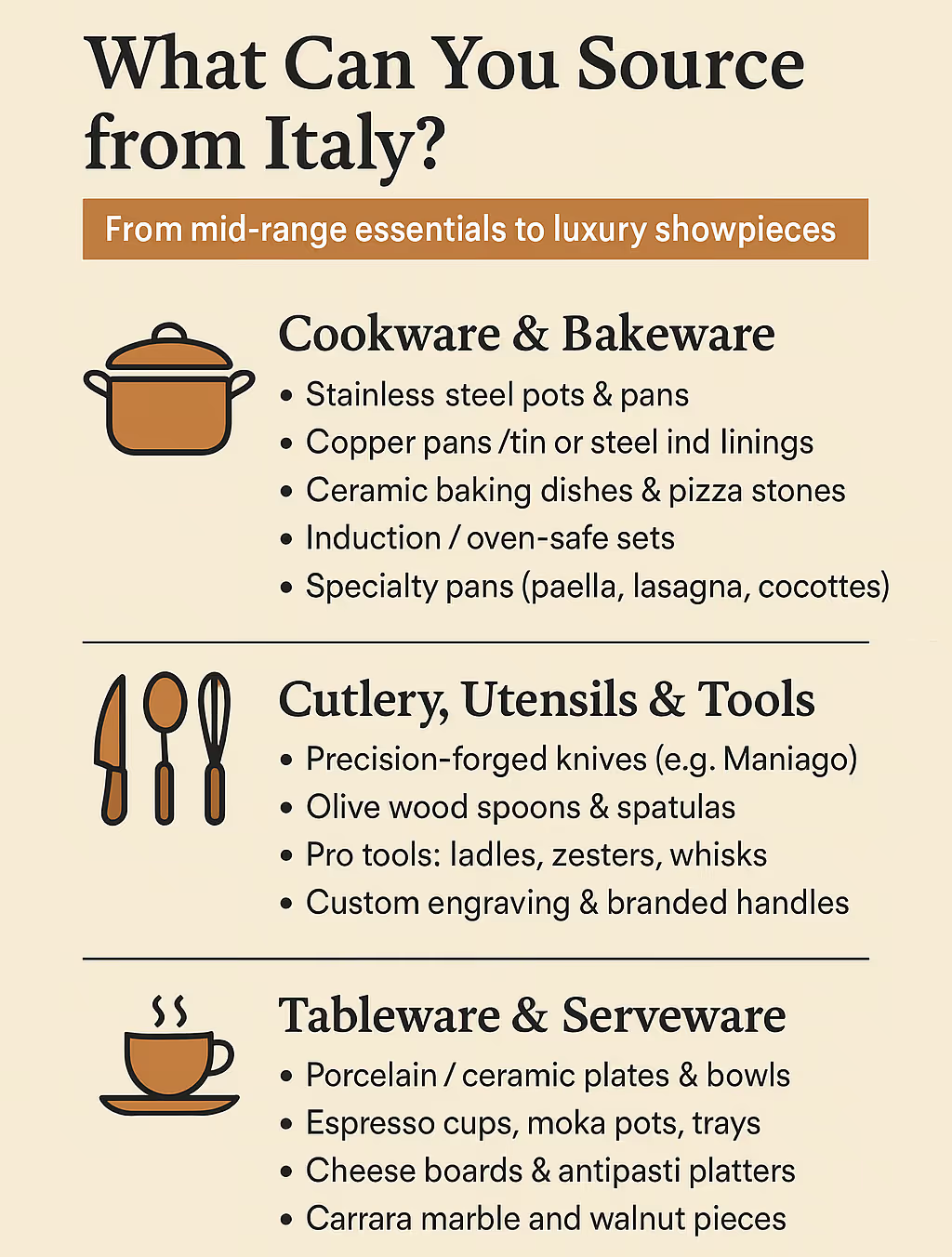
1. Cookware & Bakeware
Stainless steel cookware (pots, pans, stockpots)
Copper pans with tin or stainless steel linings
Ceramic baking dishes and pizza stones
Induction and oven-safe sets
Specialty items like paella pans, lasagna dishes, and casserole cocottes
2. Cutlery, Utensils & Tools
Precision-forged knives (especially from Maniago)
Olive wood utensils (spoons, ladles, spatulas)
Professional kitchen tools such as ladles, zesters, and whisks
Many factories offer custom engraving or branded handles for private label clients.
3. Tableware & Serveware
Porcelain or ceramic plates and bowls
Espresso cups, moka pots, and serving trays
Cheese boards and antipasti platters made from Carrara marble or walnut wood
The variety caters to different end markets—from high-volume retail to boutique hospitality.
Challenges When Sourcing from Italy
While Italy offers unmatched quality and design in kitchenware manufacturing, there are unique challenges tied specifically to the Italian business environment and production culture. Being aware of these issues can help you plan more effectively and build stronger, long-term supplier relationships.
1. Seasonal Factory Closures and Slower Production Rhythms
Italy is known for its seasonal work calendar, which differs significantly from other industrialized countries. Most factories shut down for 2–4 weeks in August (for Ferragosto), and may also close for extended holidays during Christmas, Easter, or local patron saint festivals.
Result: Delays in lead times if production or shipping overlaps with holiday seasons
Tip: Place orders well in advance and avoid relying on short lead times between July and September
Production in Italy also tends to follow a more measured pace—prioritizing quality over speed. This can be frustrating for buyers used to faster cycles in Asia or North America but is part of what preserves Italian standards.
2. Small-Batch Production and Capacity Constraints
Many Italian manufacturers—especially artisanal or family-run operations—are geared toward low- to mid-volume production, rather than mass manufacturing. This can create bottlenecks if your business needs to scale quickly.
Some factories may not have the machinery or labor force to fulfill very large or urgent orders
Others may prioritize existing long-term clients, limiting new buyer access or delaying onboarding
To address this, be transparent about your scaling plans and explore building capacity gradually through trial orders or long-term agreements.
3. Limited Digital Infrastructure and Response Delays
While Italy has world-class manufacturing capabilities, not all suppliers are fully digitalized. Especially in smaller towns, you may encounter:
Outdated websites or no online catalogs
Delays in replying to emails or fulfilling sample requests
A preference for phone or fax communication over email or digital tools
This can slow down your initial sourcing process and make communication feel inconsistent. When possible, schedule video calls, confirm details in writing, and establish regular check-ins to ensure alignment.
4. Regional Fragmentation and Lack of Centralization
Italian manufacturing is regionally decentralized. Ceramics may come from Umbria, stainless steel from Lombardy, and olive wood utensils from Puglia. If you’re sourcing multiple product types:
You may need to work with multiple suppliers across different regions
Consolidating shipments or standardizing packaging becomes more complex
Factory visits or trade show meetings may require traveling across several regions
Logistical planning and the help of a sourcing agent or freight consolidator can ease this complexity, especially if you're looking to bundle kitchenware into a single shipment.
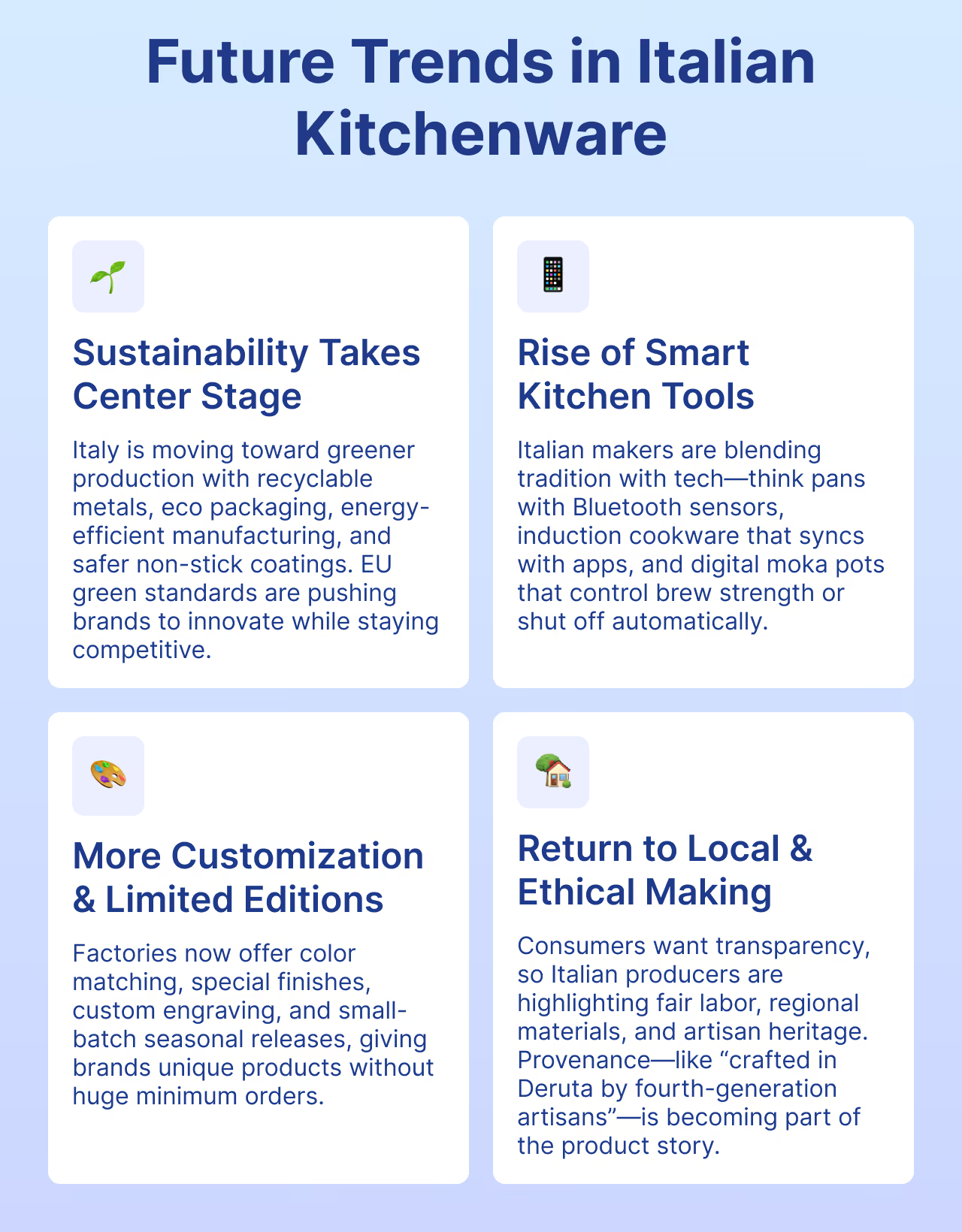
Future Trends of Kitchenware Manufacturing in Italy
Italy’s kitchenware industry is forward-looking, balancing tradition with evolving consumer needs. Here’s where it’s headed:
1. Sustainability and Eco-Friendly Materials
Many Italian manufacturers are prioritizing environmental responsibility by:
Switching to recyclable metals and sustainable packaging (e.g., cardboard inserts, no plastic clamshells)
Adopting energy-efficient machinery and reducing water usage during production
Offering non-toxic coatings, such as ceramic non-stick surfaces free from PFOA and PFAS
These changes are being driven not only by consumer demand but by EU green compliance standards, making Italian products highly competitive in eco-conscious markets.
2. Smart and Connected Kitchen Tools
Italian innovation is expanding into the smart kitchen arena, with developments like:
Bluetooth thermometers and temperature sensors integrated into pans or lids
Induction-compatible cookware with sensors that notify the user via app when food is ready
Digital moka pots with automatic shut-off or brewing strength control
This blend of Italian design and modern tech aims to serve both traditional home cooks and a new generation of gadget-loving consumers.
3. Customization and Limited Editions
In response to rising demand for personalized products, Italian factories are:
Offering color-matching services, special finishes, and exclusive molds
Allowing private labeling with laser-engraved logos, embossed branding, or signature packaging
Producing limited-run seasonal collections, ideal for influencer collaborations, subscription boxes, or premium ecommerce lines
This shift benefits smaller brands and startups who want unique offerings without investing in massive inventory.
4. Resurgence of Local and Ethical Manufacturing
Consumers are increasingly seeking transparency about where and how their products are made. As a result:
Italian producers are highlighting fair labor practices, regional sourcing, and handcrafted value
Storytelling around provenance—like “made in Deruta by fourth-generation artisans”—is becoming part of the brand appeal
There’s growing interest in traceable sourcing, which supports Italy's rural economies while appealing to conscious buyers
This trend makes Italian kitchenware not just a product, but a narrative asset—ideal for marketers and retailers looking to build emotional brand connections.
How to Find Reliable Italian Kitchenware Suppliers
Knowing where and how to find reputable manufacturers is key to successful sourcing. Italy has a strong ecosystem of family-owned factories, export-ready SMEs, and global brands.
SourceReady – An AI supplier search engine that helps you quickly filter suppliers based on certifications, lead times, product data, and other key criteria, so you can run due diligence faster and find the right partners more confidently.
What to Ask Before Committing
When you shortlist manufacturers:
Ask for product specs and safety certifications
Inquire about MOQs, lead times, and customization options
Request samples or arrange a factory audit if possible
Building trust and open communication is vital in the Italian business environment.
Conclusion
Sourcing kitchenware from Italy means investing in beauty, reliability, and authenticity. Whether you’re a boutique shop owner, international distributor, or culinary brand, Italian kitchenware can give you a competitive edge through its exceptional quality and compelling story.
To recap:
Italy combines artistry, durability, and innovation in its kitchenware
Key manufacturing regions specialize in different product types
A wide range of cookware, tools, and tableware is available
Common challenges can be overcome with preparation and relationship-building
Sustainability, smart tech, and customization will shape the future of sourcing
FAQ
1. Is Italian kitchenware expensive compared to other countries?
Generally, yes. Italian kitchenware tends to carry a premium price tag, but it's often justified by:
Superior materials and construction
Brand value and European design
Long-term durability and performance Buyers targeting mid- to high-end markets find it well worth the investment.
2. How can I verify if an Italian supplier is legitimate?
To verify a supplier:
Check if they are listed on official databases like ICE – Italian Trade Agency.
Ask for company registration documents and export certificates.
Request references from previous international clients.
Look for factory photos or virtual tours, especially if visiting in person is not possible.
Working with a local sourcing agent or third-party inspection service can add an extra layer of verification.
3. What’s the difference between sourcing from a factory vs. a wholesaler in Italy?
Factories offer direct manufacturing, customization, and better unit pricing—but may have higher MOQs and longer lead times.
Wholesalers or distributors offer quicker access, smaller orders, and ready inventory—but with less customization and slightly higher pricing.
Depending on your goals (e.g., testing a market vs. developing a brand), you may start with wholesalers and move to direct manufacturing as you scale.
Find the sourcing tools you need.
Explore how SourceReady helps you research products, discover suppliers, verify factory information, analyze trade data, and manage your sourcing workflow in one place
Graduating from USC with a background in business and marketing, Judy Chen has spent over a decade working in e-commerce, specializing in sourcing and supplier management. Her experience includes developing strategies to optimize supplier relationships and streamline procurement processes for growing businesses. As SourceReady’s blog writer, Judy leverages her deep understanding of sourcing challenges to create insightful content that helps readers navigate the complexities of global supply chains.