Vietnam’s toy and gifts sector has grown quietly but steadily over the past decade. Exports of toys, games, and sports equipment surpassed US$3 billion in 2023, with plush toys becoming a key category due to Vietnam’s strengths in textiles, labor stability, and factory compliance. Rising global demand for sustainable, ethically made plush toys is further pushing brands to diversify away from China and spread production risk across Southeast Asia.
If you’re sourcing plush toys, Vietnam should already be on your radar. The country offers competitive pricing, strong sewing craftsmanship, and a maturing compliance ecosystem—exactly the combination needed for stuffed toys destined for regulated markets.
This guide gives you a clear, no-nonsense playbook on how to find reliable plush toy manufacturers in Vietnam. You’ll learn why the market is attractive, how to identify qualified suppliers, which compliance issues to watch, and what future trends will shape this category. You’ll also see how tools like SourceReady can streamline supplier due diligence and matching.

There's a better way to source ❤️
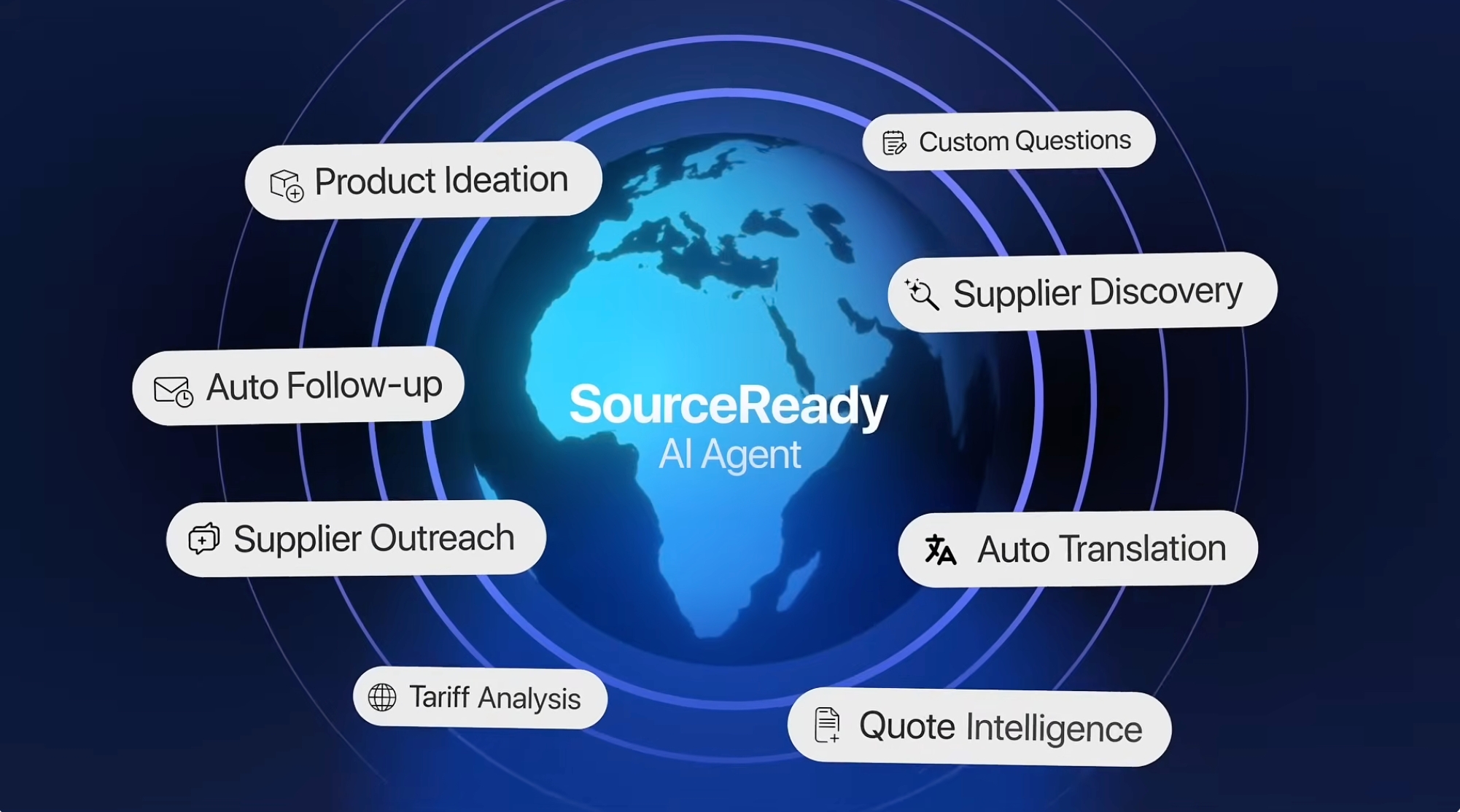
Watch the video to see how SourceReady helps brands move from product ideas to trusted supplier relationships faster
Watch the VideoWhy Vietnam
Vietnam has emerged as a high-potential manufacturing base for plush toys. Here’s why.
1. Lower Labor Costs and High Craftsmanship
Plush toys rely heavily on skilled manual sewing. Vietnam offers:
- Competitive hourly wages compared to China.
- A deep workforce trained in garment and soft-goods manufacturing.
- Consistent stitch quality and tight production tolerances.
2. Strong Compliance Track Record
Vietnam’s export economy is built around apparel and furniture—two categories where compliance failures can shut down production overnight. As a result:
- Factories tend to be familiar with BSCI, ISO, WRAP, and environmental audits.
- Many plush manufacturers already supply the U.S. and EU and understand CPSIA, EN71, and ASTM F963.
3. Diversification From China
Brands moving away from concentrated China production are choosing Vietnam because:
- Supply chains remain stable.
- Lead times are predictable.
- Government incentives support foreign investment.
4. Vertical Support Ecosystem
While Vietnam still imports some materials, it has:
- Local suppliers for polyester fiberfill.
- Growing knit and woven fabric mills.
- Embroidery and printing workshops that support plush customization.
5. Sustainable Manufacturing Focus
Vietnamese factories increasingly offer:
- Recycled polyester stuffing.
- Organic cotton shells.
- Low-impact dyes. This appeals to brands with sustainability KPIs or retailer-driven ESG requirements.

How to Find Plush Toy Manufacturers in Vietnam
Step 1: Define Your Manufacturing Requirements
Before searching for suppliers, lock in your technical scope:
Material Requirements
- Shell fabrics (velboa, minky, fleece, corduroy, knit).
- Stuffing type (polyfill vs. recycled polyfill).
- Embellishments (embroidery, heat-transfer print, accessories).
- Chemical restrictions (azo dyes, heavy metals, phthalates).
Production Specs
- Sizes and SKUs.
- Softness levels and stuffing density.
- Safety features (embroidered eyes vs. plastic eyes for children under 3).
Compliance Targets
- CPSIA, ASTM F963, EN71, REACH.
- Factory audits (BSCI, ISO9001, SMETA).
- Social or environmental requirements from your retailers.
- Suppliers in Vietnam will respond more accurately if you provide details upfront. Avoid vague RFQs; they waste time.
Step 2: Use Structured Search Methods
Trade Directories and Industrial Databases
- Reliable starting points include:
- Vietnam’s industry associations (e.g., VITA for textiles).
- Export-focused directories for garment and plush categories.
- Global B2B platforms where Vietnam is well-represented.
When evaluating these directories:
- Filter by export experience.
- Prioritize factories with listed compliance certifications.
- Watch for trading companies posing as manufacturers.
Trade Shows
Key events where plush toy producers exhibit:
- Vietnam International Toys & Games Fair
- Vietnam Textile & Garment Expo (VTG)
- Asian Toy Expo (regional)
Trade shows help you:
- Touch fabric samples.
- Evaluate workmanship.
- Validate the factory’s familiarity with safety testing.
On-the-Ground Networks
Vietnam’s plush industry clusters around:
- Ho Chi Minh City
- Binh Duong
- Dong Nai
- Long An
Visiting factories is ideal, but local sourcing consultants or QA firms can perform preliminary checks.
AI Sourcing Tools
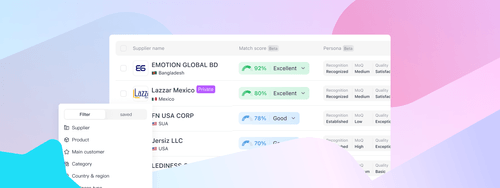
Platforms like SourceReady help you:
- Filter factories by compliance, materials, MOQ, and lead times.
- Review AI-generated risk insights.
- Compare suppliers with structured data instead of guesswork.
- This minimizes unqualified outreach and speeds up your shortlist.
Step 3: Evaluate Suppliers With a Compliance Lens
A. Factory Profile Questions
Ask every candidate:
- Year established and core product lines.
- Monthly capacity and peak-season policy.
- Top clients (even unnamed categories are fine).
- Export markets (U.S./EU compliance experience matters).
- MOQ flexibility for custom plush projects.
B. Production Capability Verification
Review:
- Sewing machine count.
- Embroidery capabilities.
- Cutting machines (manual or automatic).
- Internal stuffing line procedures.
- QC station layout.
Soft toys have multiple failure points—seam strength, choking hazards, fiber shedding—so assess whether the factory’s equipment is suited to your design complexity.
C. Material Sourcing Audit
For each raw material, confirm:
- Supplier name and location.
- Testing history (azo dye, color fastness, heavy metals).
- Whether recycled content is certified (e.g., GRS).
D. Certifications and Testing
Require copies of:
- BSCI, ISO9001, WRAP, or SMETA (if applicable).
- Third-party test reports for plush toys (preferably SGS, Intertek, or BV).
- Child-safety compliance documents.
- Verify that certificates are valid and not expired.
Step 4: Request Targeted Samples
Insist on:
- A production-quality sample (not a prototype with “future improvements”).
- Stitch density measurement.
- Seam strength test results.
- Color fastness test.
- Accessory durability testing.
Step 5: Run a Pilot Order
Before full-scale production:
- Issue a small batch (300–1,000 units).
- Conduct a Pre-Production Meeting (PPM) to finalize specs.
- Document acceptable tolerances.
- Assign a third-party QC firm for inline and final inspections.
If defects exceed your threshold in the pilot, renegotiate or walk away early.
Challenges of Sourcing Plush Toys From Vietnam
Vietnam is strong, but not perfect. Prepare for the following pitfalls.
1. Material Availability Limitations
Vietnam produces some textiles, but plush fabrics (velboa, minky) sometimes come from China. Implications:
- Longer material lead times.
- Price fluctuations.
- Extra compliance verification for imported fabrics.
Work with suppliers who have stable material partners and documented test reports.
2. Higher MOQs for Custom Plush Toys
Because plush toys require molds, embroidery programming, and stuffing calibration, many factories set higher MOQs:
- Common range: 500–1,500 units per SKU.
- Lower MOQs usually mean higher unit prices.
- Plan SKU counts accordingly.
3. Capacity Constraints During Peak Seasons
Vietnam shares peak demand cycles with global apparel markets. Expect:
- Longer lead times August–November.
- Limited rush-capacity options.
- Secure bookings early or negotiate long-term capacity commitments.
4. Compliance Gaps Among Smaller Factories
Not all suppliers understand:
- ASTM F963 mechanical hazards.
- EN71 flammability requirements.
- CPSIA tracking label details.
Brands must educate suppliers or rely on stronger, audit-ready factories. Tools like SourceReady help pre-screen suppliers for compliance maturity.
5. Limited Specialization in Complex Plush Engineering
Factories excel at standard plush toys but may struggle with:
- Electronic components.
- Complex structural forms.
- Reinforced frames.
For hybrid plush-electronic toys, consider dual-sourcing or working with a specialized OEM.

Future Trends in Vietnam’s Manufacturing
Vietnam is entering a new phase of industrial growth. Here’s how plush toy sourcing will evolve.
1. Sustainability as Standard
Expect:
- Widespread adoption of recycled polyester fiberfill.
- Greater use of organic cotton and low-impact dyes.
- More factories seeking GRS and OEKO-TEX certifications.
Retailers are pushing sustainability, and Vietnam is responding.
2. Automation in Cutting and Stuffing
Vietnamese factories are investing in:
- Automated cutting tables.
- Semi-automated stuffing machines.
- Digital embroidery programming.
This reduces human error and raises consistency—critical for plush toys with strict safety requirements.
3. Expansion of Domestic Textile Inputs
Vietnam aims to reduce dependence on imported plush fabrics. Over the next 3–5 years:
- More velboa and minky mills will open locally.
- Lead times will shorten.
- Prices will stabilize.
This shift will make Vietnam more competitive against China.

Conclusion
Finding plush toy manufacturers in Vietnam isn’t complicated, but it requires structure. The country offers a strong combination of skilled labor, competitive pricing, and export-ready compliance. It’s a strategic location for brands seeking to diversify production and meet rising safety and sustainability standards.
By defining your requirements, using structured search methods, and conducting audit-ready due diligence, you can build a trusted supplier base. Vietnam’s manufacturing ecosystem is rapidly modernizing, with automation, better materials, and government support shaping a stronger industry for soft goods.
Tools like SourceReady make this process even smoother by helping you filter suppliers, review compliance data, and run supplier comparisons without manual research. With the right playbook and the right tools, finding reliable plush toy manufacturers in Vietnam becomes a repeatable, low-risk sourcing operation.
FAQ
1. Can Vietnamese suppliers meet U.S. and EU safety standards?
Yes — many factories already export to these markets.
Competent factories understand:
- CPSIA tracking labels
- Mechanical hazard tests
- EN71 flammability
- Chemical limits under REACH Using tools like SourceReady can help you filter for suppliers with proven compliance history.
2. What should I include in an RFQ to get accurate pricing?
A complete RFQ should include:
- Toy dimensions, weight, and artwork
- Fabric type (minky, velboa, fleece, knit, corduroy)
- Stitch density expectations
- Embroidery vs. printed features
- Stuffing requirements (regular polyfill vs. recycled)
- Safety constraints (e.g., embroidered eyes for age 3-)
- Packaging requirements
- Target certifications (CPSIA, EN71)
- Clear RFQs = fewer pricing revisions.
3. Do imported materials from China impact compliance?
They can, but it’s manageable. Imported fabrics must still pass:
- EN71-3 chemical tests
- CPSIA heavy metals & phthalates Ask the manufacturer to provide:
- Fabric supplier details
- Material test reports
- Composition declarations Most reputable factories already maintain these documents.

Find the sourcing tools you need.
Explore how SourceReady helps you research products, discover suppliers, verify factory information, analyze trade data, and manage your sourcing workflow in one place
Explore Features
Graduating from USC with a background in business and marketing, Judy Chen has spent over a decade working in e-commerce, specializing in sourcing and supplier management. Her experience includes developing strategies to optimize supplier relationships and streamline procurement processes for growing businesses. As SourceReady’s blog writer, Judy leverages her deep understanding of sourcing challenges to create insightful content that helps readers navigate the complexities of global supply chains.