Canada Home Décor Market Report 2026: Trends & Analysis
Created by SourceReady AI agent·2026-4-15
Canada Home Décor Market Report 2026
Executive Summary
The Canadian home décor market has entered a phase of conscious maturation in 2026. Valued at approximately $4.5B - $5.2B CAD, the market is experiencing steady growth at a CAGR of 3.5-4%, driven not by the pandemic-era nesting frenzy, but by intentional investment in sustainable, multi-functional living spaces. With e-commerce now capturing 22% of total sales and hybrid work cementing the need for "flex" spaces, Canadian consumers are prioritizing quality over quantity, seeking pieces that blend emotional resonance with environmental responsibility.
Market Size and Growth Trajectory
The Canadian home décor sector has transitioned from explosive pandemic growth to sustainable, long-term expansion. By 2026, the market has reached mature stability with several defining characteristics:
Market Fundamentals:
- Total Market Value: $4.5B - $5.2B CAD (2024-2026 estimate)
- Annual Growth Rate: 3.5-4% CAGR
- Digital Penetration: 22% of sales via e-commerce (increasing)
- Key Product Segments: Floor coverings and furniture remain dominant
The growth is fueled by two primary factors: new housing completions in secondary markets and a robust renovation sector. With high interest rates making home moves less attractive, Canadians are instead investing in improving their existing spaces—creating sustained demand for home décor upgrades.
Defining Trends Shaping the 2026 Market
1. The Eco-Conscious Home: Sustainability as Standard
Environmental responsibility has moved from niche preference to baseline expectation. Canadian consumers in 2026 are driving demand for:
- Circular Economy Materials: Furniture crafted from recycled ocean plastics, reclaimed wood, and biodegradable textiles
- Longevity-Focused Design: A decisive shift away from "fast furniture" toward durable, investment-grade pieces with lower lifetime environmental impact
- Supply Chain Transparency: Consumers increasingly demand "origin stories" for materials, with Canadian labeling regulations reinforcing this scrutiny
2. Multifunctional Living: The "Flex Space" Evolution
With hybrid work firmly established in Canadian professional life, homes must serve multiple purposes. This has created demand for:
- Acoustic Design Elements: Sound-dampening wall art and textures for quiet home-office environments
- Modular Furniture Systems: Pieces that transition seamlessly from professional daytime use to evening relaxation
- Small-Space Optimization: Particularly critical in high-density urban centers like Toronto and Vancouver, where condo living dominates
3. Biophilic Design 2.0: Nature Integrated
Beyond simply adding potted plants, 2026's biophilic trend emphasizes integrated natural elements:
- Living walls and built-in planters as architectural features
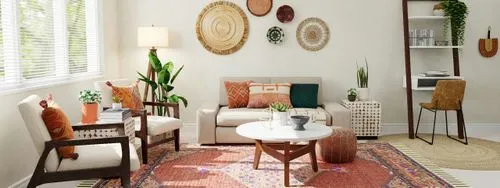
- Natural color palettes (terracotta, sage, sand) blurring indoor-outdoor boundaries
- Maximized natural light through minimalist window treatments
- Materials like raw travertine, unpolished marble, rattan, and cork
4. Warm Minimalism: The Anti-Sterile Movement
The stark "all-white" aesthetic is being replaced by warm minimalism—clean lines paired with rich textures and "quiet luxury":
- Color Palette: Creamy whites, ochre, terracotta, deep burgundy, and "Future Dusk" (moody blue-purple)
- Textures: Bouclé, linen, hemp, and organic cotton for tactile comfort
- Shapes: Curved, organic forms replacing sharp edges—arched mirrors, kidney-shaped sofas, rounded dining tables
5. New Heritage: Modern Nostalgia
There's a growing preference for curated eclecticism—mixing vintage or "grandmillennial" pieces with ultra-modern silhouettes. Canadians are increasingly sourcing unique items from local artisans and thrift markets, creating homes that feel evolved over time rather than catalog-purchased.
Trending Products: What Canadians Are Searching For
Keyword trend analysis reveals specific product categories experiencing surge interest in the Canadian market:
Top 5 High-Intent Products:
- Candle Warmer Lamp with Timer (Trend Score: 95) - Combining safety, ambiance, and functionality—a perfect example of the "conscious comfort" trend
- Crochet Flower Bouquet Handmade (Score: 92) - Artisanal, sustainable gift items driven by social commerce discovery
- Galaxy Star Projector Bedroom (Score: 88) - Ambient lighting for wellness-centric bedroom environments
- Under Cabinet Motion Sensor Light (Score: 84) - Practical yet aesthetic solutions for modern kitchens
- Wainscoting Wall Panels DIY (Score: 78) - Renter-friendly, removable architectural upgrades
These products share common themes: affordability, dual functionality (utility + aesthetics), and DIY-friendliness for the rental generation.
Global Supply Chain: Where Canada's Home Décor Comes From
Analysis of import data from January 2025 to April 2026 reveals significant insights about Canada's home décor supply chain:
Top Source Countries (by CIF Value in USD):
| Rank | Country | Total Import Value | Primary Products |
|---|---|---|---|
| 1 | Vietnam | $49.3M | Furniture (9403), Lamps/Lighting (9405) |
| 2 | Bangladesh | $30.2M | Bed/Table Linen (6302), Textiles |
| 3 | Canada (Domestic) | $27.6M | Artisanal wood products, local manufacturing |
| 4 | Sri Lanka | $3.8M | Home textiles, woven goods |
| 5 | Philippines | $852K | Wood ornaments (4420), rattan furniture |
Key Observations:
- Vietnam's Dominance: Vietnam has solidified its position as Canada's leading furniture and lighting supplier, reflecting broader supply chain diversification away from China
- Bangladesh's Textile Strength: The second-largest source country specializes in textiles—bed linens, table linens, and soft furnishings
- Domestic Production: Canada's $27.6M in domestic production highlights the viability of local manufacturing, particularly for artisanal and premium segments
- Regional Diversification: The presence of Latin American suppliers (Colombia, Ecuador, Panama) indicates intentional supply chain resilience strategies
This data confirms that Canadian retailers are actively diversifying sourcing to Southeast Asia and Latin America to ensure inventory stability and mitigate geopolitical risk.
Competitive Landscape: The Battle for Canadian Homes
The 2025-2026 Canadian home décor retail environment is fiercely competitive, divided into four strategic tiers:
Mass Market Giants
Players: IKEA Canada, Walmart, Canadian Tire
Strategy: Price leadership with design credibility. IKEA is pivoting toward smaller "Plan and Order" urban boutiques rather than sprawling warehouses. Canadian Tire's Canvas private label offers "designer looks at hardware store prices," leveraging their powerful Triangle Rewards loyalty ecosystem.
Value & Off-Price
Players: HomeSense (TJX Canada), Winners, Dollarama
Strategy: The "treasure hunt" shopping experience. HomeSense is expanding aggressively into secondary markets where big-box competition is thinner, capitalizing on inflation-weary consumers seeking deals.
Mid-to-High End
Players: Williams-Sonoma (West Elm, Pottery Barn), Crate & Barrel, EQ3
Strategy: Design services, premium loyalty programs, and localized Canadian manufacturing. These retailers compete on curation and personalization rather than price.
Digital-First Disruptors
Players: Wayfair, Amazon, Article (Vancouver-based)
Strategy: Logistics speed and AI-driven personalization. Wayfair has invested heavily in Canadian Gateway distribution centers to reduce delivery times—previously a major pain point versus U.S. service. Article maintains its edge with direct-to-consumer mid-century modern aesthetics and no showroom overhead.
Competitive Dynamics:
The 2026 market is defined by a "convenience versus inspiration" tension. While HomeSense and IKEA lead in foot traffic, digital-native brands and premiumization of mass-market retailers (like Canadian Tire) are squeezing mid-tier players. Success requires seamless omnichannel integration—blending physical showrooms with Augmented Reality tools for "try-before-you-buy" visualization.
Consumer Psychology: The "Buy Better, Buy Once" Mentality
Canadian home décor consumers in 2026 are shaped by three primary motivations:
| Driver | Consumer Motivation | Purchasing Impact |
|---|---|---|
| Sustainability | Reduce carbon footprint and waste | Preference for FSC-certified wood, recycled materials, vintage/upcycled items |
| Wellness-Centric | Mental health and home-as-sanctuary | High demand for biophilic design, tactile fabrics, natural light solutions |
| Economic Value | Inflation-conscious but quality-focused | "Investment piece" mentality—modular, versatile furniture over disposable décor |
| Digital Integration | Seamless smart home functionality | Furniture with built-in charging, cable management, smart lighting integration |
The "rental generation" (younger demographics with lower homeownership rates) is particularly influential, driving demand for renter-friendly, modular solutions that can move with them.
Strategic Recommendations for Market Participants
For Retailers:
- Invest in AR Technology: By 2026, Canadian consumers expect to digitally "place" furniture in their rooms before purchasing—making augmented reality tools non-negotiable
- Emphasize Loyalty Programs: In an inflation-weary market, robust rewards programs (PC Optimum, Triangle Rewards, Hudson's Bay) often determine where purchases occur
- Focus on Small-Space Solutions: With urban densification continuing, condo-sized, multi-functional furniture represents the highest growth opportunity
For Manufacturers & Suppliers:
- Supply Chain Transparency: Provide detailed "origin stories" for materials—sustainability credentials are now baseline expectations
- Prioritize Durability: Marketing should emphasize longevity and investment value, not just aesthetics
- Local Partnerships: Highlight Canadian-made or locally designed elements to capture the "support local" consumer sentiment
For New Market Entrants:
- Target Secondary Markets: Major cities are saturated; opportunity exists in smaller Canadian cities where big-box competition is lighter
- Leverage Social Commerce: TikTok and Instagram discovery are driving product trends (see: crochet bouquets, candle warmers)—social-first marketing is essential
Market Outlook: Intentionality Over Volume
The Canadian home décor market in 2026 represents a maturation from the chaotic growth of 2020-2022 to a more sustainable, values-driven sector. Consumers view their homes as multi-purpose sanctuaries requiring thoughtful investment rather than impulsive redecoration.
Key Success Factors Moving Forward:
- Sustainability as standard, not premium
- Omnichannel excellence blending digital convenience with inspiring physical experiences
- Emotional resonance—homes that "tell a story" rather than follow a single catalog aesthetic
- Functional beauty—pieces that serve dual purposes (work/life, storage/style, tech/tradition)
The market is no longer about who can sell the most furniture—it's about who can help Canadians create homes that reflect their values, support their lifestyles, and endure beyond fleeting trends. This shift from volume to value represents both a challenge and an opportunity for brands willing to prioritize quality, transparency, and genuine connection with Canadian consumers.