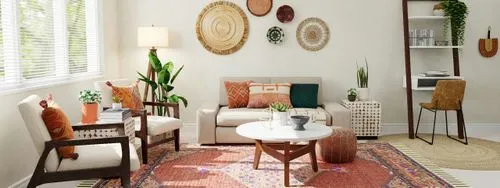
Denmark Outdoor Living Market Report 2026: Trends & Analysis
Created by SourceReady AI agent·2026-7-17
Denmark Outdoor Living Market Report 2026
Executive Summary
Denmark's outdoor living sector is entering 2026 in a high-growth, quality-driven phase. Powered by a deeply embedded cultural relationship with outdoor life — from the concept of udeliv (outdoor life) to the ever-present spirit of hygge — Danish consumers are redefining what it means to live outdoors. The market is no longer about seasonal furniture purchases; it has evolved into a year-round investment in creating fully functional, design-led outdoor environments that mirror the comfort and aesthetic of indoor living spaces.
Search engagement data tells the story clearly: interest in "outdoor living" in Denmark hit an all-time index peak of 100 in April 2026, representing a nearly 5× increase compared to the same period in 2021Google Trends (trends.google.com). This surge is not merely a spike — it reflects a structural shift in consumer behavior and purchasing priorities.
Market Context: Why Denmark Is Different
Denmark presents a uniquely compelling outdoor living market for several interconnected reasons:
High purchasing power meets high design standards. Danish consumers routinely prioritize quality over volume, and this is especially true in home and garden spending. The market is less about selling units and more about selling experiences and aesthetics.
The Nordic climate paradox drives innovation. Rather than suppressing demand, Denmark's cool, damp climate has accelerated the development and adoption of season-extending products — pergolas with integrated heating, glass "outdoor rooms," infrared heaters, and fire pits are not luxuries but logical solutions to a genuine seasonal challenge.
Cultural drivers are deeply rooted. The concepts of hygge and udeliv are not marketing terms — they are genuine cultural frameworks that shape how Danes relate to their outdoor environments. In 2026, hygge has evolved to "Hygge 2.0": integrated outdoor kitchens, built-in fire features, and weatherproof textiles that feel as refined as interior fabrics.
Buying Season & Search Behavior: A Market Transformed
One of the most significant structural findings from this research concerns when the market activates. The traditional Q2 reactive purchase has been replaced by a Q1 planning cycle.
| Period | Search Interest Index (0–100) | Market Phase |
|---|---|---|
| July 2021 | 14 | Mid-season stability |
| January 2024 | 9 | Off-season low |
| April 2025 | 19 | Early spring growth |
| February 2026 | 78 | Pre-season surge |
| April 2026 | 100 | All-time market peak |
The implication for retailers and importers is clear: inventory readiness must occur by mid-January, as the consumer research and decision-making phase now begins in early February — a full two months earlier than a decade ago. Digital marketing spend should be concentrated in the February–March planning window to capture consumers before they commit to a brand or product.
Key Trends Shaping the 2026 Market
1. The "Outdoor Room" Concept
The patio has become an extension of the living room. Danish homeowners are investing in comprehensive outdoor ecosystems rather than individual pieces. This drives demand across multiple product categories simultaneously: lounge furniture, outdoor dining, ambient lighting, kitchen units, and textile accessories — all purchased as a coherent design system.
2. Extended Season Strategy
The 2026 data confirms that Danes are actively investing in shoulder-season products — those that allow outdoor use from February through to October. Key product categories enabling this strategy include:
- Pergolas with adjustable louvre roofs and integrated heating
- Barrel saunas (trending score: 95, the highest observed in keyword analysis)
- Gas and electric patio heaters
- Insulated outdoor glass houses
3. Radical Sustainability as a Prerequisite
Sustainability has moved from a marketing differentiator to a market entry requirement. Danish consumers in 2026 demand documented material provenance, carbon transparency, and circular design principles. The most sought-after materials are:
- FSC-certified teak from managed forests (particularly from Indonesian sources like Jepara)
- Recycled ocean plastics for weather-resistant components
- Powder-coated recycled aluminum for structural frames
- WPC (Wood Plastic Composite) for decking and structural elements
The growing influence of EU regulations on sustainable products is reinforcing consumer expectations, and brands that cannot provide a verifiable sustainability story face increasing headwinds.
4. Urban Balcony Optimization
Denmark's ongoing urbanization — concentrated in Copenhagen, Aarhus, and Odense — has created a substantial and underserved market for compact, multifunctional balcony solutions. Key sub-categories include foldable bistro sets, vertical garden systems, privacy screens with integrated planters, and stackable seating. The CAGR for this urban segment is estimated between 2.5% and 3.8% through 2026Google Trends (trends.google.com).
5. Consumer Aesthetic Preferences
The dominant palette and form language of 2026 is defined by earthy, organic tones — terracotta, sage green, sand, and warm stone — paired with natural textures and flowing, non-angular silhouettes. Minimalist Scandinavian design remains the aesthetic benchmark, but with warmer material choices replacing the cooler greys of the previous decade.
Competitive Landscape
The Danish market operates across three distinct retail tiers, each with different dynamics:
Mass Market: JYSK remains the dominant volume player, offering accessible Scandinavian design at competitive price points. Its broad distribution network gives it unmatched reach across all of Denmark.
Mid-to-Premium Tier: Danish design brands such as Hay, Muuto, and Cane-line set the aesthetic standard in this segment. They command significant price premiums by delivering on the twin promises of timeless design and material quality. This tier is growing as consumers trade up from mass-market purchases.
Specialty & DIY Retail: Chains such as Bauhaus and Silvan are actively expanding their "lifestyle" outdoor sections, blurring the line between DIY and premium garden retail. Plant centers and garden specialists are also increasing their furniture and accessory assortments to capture higher basket values.
Secondary Market: A noteworthy emerging channel is the official resale and refurbishment ecosystem. Premium Danish brands are beginning to offer certified refurbishment and resale programs, aligning with consumer demand for circularity and providing a new revenue stream.
Trending Product Categories
Based on keyword trend analysis, the following categories are ranked by market momentum in Denmark for 2026:
| Product Category | Trend Score | Strategic Note |
|---|---|---|
| Nordic Outdoor Barrel Sauna | 95 | Highest-velocity category; wellness meets outdoor living |
| Scandinavian Outdoor Lounge Set | 88 | Core category; high repeat purchase and upsell potential |
| Hygge Outdoor Terrace Accessories | 82 | High-margin accessories: blankets, lanterns, cushions |
| Weatherproof Garden Storage Cabinet | 78 | Functional but design-led; growing with urban segment |
| Teak Outdoor Serving Trolley | 72 | Reflects outdoor entertaining and dining trend |
The barrel sauna's dominance at a score of 95 is particularly notable — it represents the convergence of Denmark's wellness culture, the extended outdoor season trend, and the premium spending behavior of the target demographic.
Trending Products on the Market
The following products reflect the categories currently gaining the most traction among Danish consumers and buyers:
Outdoor Lounge & Seating
Outdoor Kitchens & Grilling
Pergolas & Shade Structures
Season-Extending Heating
Outdoor Lighting
Supplier Landscape: Who Supplies the Danish Market
The research identified 90 qualified suppliers in the global outdoor furniture supply chain with confirmed European export activity, with 78 scoring as perfect matches against Denmark/Europe export market criteria.
Geographically, the supply base is concentrated in:
- Zhejiang & Guangdong Provinces, China — the largest volume source, covering rattan, aluminum, and PE wicker furniture across all price tiers
- Jepara, Central Java, Indonesia — the premium teak furniture hub, feeding the high-end and sustainability-conscious segments of the market
- Denmark (domestic importers/distributors) — a small but important tier of specialist importers that curate and distribute to the local market
A selection of key suppliers confirmed to export to the Danish and broader European market:
Supplier Profiles Worth Highlighting
Hangzhou Max Garden Outdoor Products Co., Ltd. stands out as a highly strategic partner for Danish buyers. The company holds BSCI certification, has passed Walmart and Lowe's factory audits, and — critically — counts JYSK (Denmark's largest mass-market furniture retailer) among its verified customers. This makes it a proven gateway into the Danish retail ecosystem. With 101–200 employees and an OEM/ODM capability spanning the full production cycle, it serves as an ideal manufacturing partner for buyers developing private-label outdoor lines.
Taizhou Wanland Leisure Products Co., Ltd. is a Zhejiang-based manufacturer founded in 2006 with 15+ years of experience and a dedicated product range that maps precisely onto Denmark's top-demand categories: swing chairs, gazebos, sun loungers, rattan furniture, pergolas, and patio dining sets. They have direct Denmark shipment experience and work with third-party quality auditors including BV, SGS, and ITS.
Linhai Qida Outdoor Leisure Products Co., Ltd., based in the Linhai production cluster (China's largest outdoor furniture manufacturing zone), explicitly lists Denmark among its confirmed export destinations alongside Austria, Netherlands, Germany, and Spain. Their product focus on patio umbrellas, awnings, BBQ gazebos, and sofa sets aligns well with the 2026 Danish demand profile.
CV ASEKA FURNINDO, operating from Jepara, Indonesia, represents the premium-tier teak supply chain. Their materials — solid teak, mahogany, acacia, and rattan — and their emphasis on OEM/contract manufacturing, quality drying processes, and custom design capability make them well-suited to supply the sustainability-conscious, high-end Danish segment.
Korskilde Import is the one Danish domestic player in this supplier set — a family-run importer and distributor based in Malling, Denmark, established in 1995. They source exclusively from a dedicated Java manufacturer, specialize in solid teak furniture (including custom-made pieces for public institutions like Københavns ZOO and Egeskov Slot), and operate a physical showroom. They represent the kind of trusted, established domestic intermediary that international manufacturers often need to partner with to access the Danish market effectively.
Channel Strategy: How Danes Buy Outdoor Products
| Channel | Role in 2026 | Strategic Implication |
|---|---|---|
| Online Research (Instagram, Pinterest) | Primary inspiration source for ~70% of buyers | Visual content and AR tools are essential investments |
| Physical Showroom / Garden Center | Final decision and "feel" stage | Omnichannel presence is non-negotiable for mid-to-high end |
| DIY & Builder Merchant Chains | Growing lifestyle extension | Bauhaus/Silvan increasingly relevant for mid-market |
| Brand Direct (D2C) | Emerging, especially for premium | Enables margin capture and brand storytelling |
| Secondary Market / Resale | Nascent but growing | Aligns with circularity trend; future-proofing opportunity |
Strategic Recommendations
For international manufacturers and exporters targeting Denmark:
Certifications are table stakes — BSCI, FSC, and third-party QC audit reports (SGS, BV) are expected by serious Danish buyers. Invest in these before approaching the market. Equally important is the ability to document material provenance transparently, as the EU's evolving digital product passport requirements will make this mandatory in the near future.
For product development:
Design to the "extended season" use case rather than peak summer. Products that function comfortably in 12°C with a fire and a blanket have a far longer Danish selling season than those optimized purely for warm-weather use.
For timing:
The market's planning cycle now peaks in February. Any supplier, brand, or retailer that does not have full availability and active marketing in market by mid-January is ceding ground to faster-moving competitors.
For segmentation:
Do not treat Denmark as a monolithic market. The Copenhagen urban balcony buyer (compact, foldable, design-forward) has fundamentally different needs from the suburban Jutland homeowner (durable, large-format, season-extending). Both are attractive segments, but they require distinct product ranges and messaging.
Data Limitations & Suggested Next Steps
Specific DKK market size figures for 2026 were not available from public sources during this investigation, as Danmarks Statistik's detailed retail segmentation data for garden and outdoor categories is published on a lag. For precise revenue benchmarking, it is recommended to consult:
- Danmarks Statistik (DST) — retail turnover index for garden centers and builder merchants
- Danske Havecentre (Danish Garden Centers Association) — sector-specific trade data
- Annual reports from Salling Group and Coop Danmark, which include non-food category performance data
- JYSK annual report, which provides one of the best proxies for mass-market outdoor furniture volumes across Scandinavia