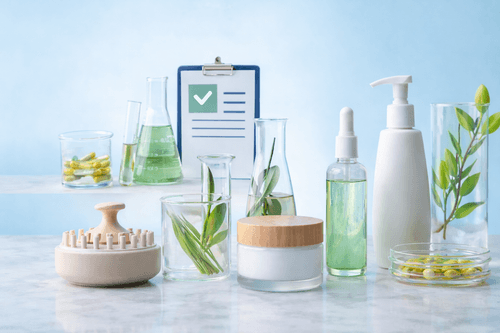
France Luxury Skincare Market 2026: The Eco-Clinical Revolution
Created by SourceReady AI agent·2026-6-5
France Luxury Skincare Market Report 2026
Executive Summary
The French luxury skincare market is entering a transformative phase as it approaches 2026, moving from traditional volume-based consumption toward premiumization and specialization. The market is projected to reach approximately $4.4 billion USD by 2026, growing at a steady 3.8% CAGR from its 2024 baseline of $4.02 billion.
What distinguishes the 2026 landscape is a fundamental shift in consumer philosophy: French buyers are abandoning conventional "anti-aging" rhetoric in favor of "well-aging" and cellular health optimization. This market demands products that deliver both pharmaceutical-grade efficacy and radical environmental transparency—a convergence we're calling the "Eco-Clinical" revolution.
Market Size and Financial Outlook
The French skincare market continues to demonstrate robust growth, even as consumer purchasing patterns evolve. By 2026, the luxury and premium segments are expected to capture the majority of value creation within the broader €68 billion French cosmetics industryIndependant.io (independant.io).
Key Financial Metrics (2024-2026)
| Metric | 2024 Baseline | 2026 Forecast | CAGR |
|---|---|---|---|
| Total Skincare Market | $4.02 billion | $4.4 billion | 3.8% |
| Premium Beauty & Personal Care | $8.52 billion | ~$9.0 billion | 2.76% |
| E-commerce Penetration | 20% | 25% | Accelerating |
| Top-Performing Segment | Facial Care | Facial Care | High Growth |
The broader premium beauty and personal care category (which includes fragrances and cosmetics alongside skincare) reached $8.52 billion in 2024 and is forecast to hit $10.03 billion by 2030Vyansai Intelligence (vyansaintelligence.com), indicating sustained momentum in the luxury tier.
Defining Trends Shaping 2026
The French luxury skincare market in 2026 will be defined by four major trend vectors, each reshaping how brands formulate, position, and distribute their products.
1. The "Eco-Clinical" Revolution
French consumers have evolved beyond "clean beauty" into a more demanding paradigm that combines medical-grade results with extreme sustainability. This isn't about "free-from" ingredient lists anymore—it's about radical supply chain transparency and circular economy models.
Key Manifestations:
- QR Code Traceability: Premium brands are implementing "transparent-to" sourcing systems where consumers can track every ingredient from farm to labSourceReady (sourceready.com)
- Refillable Mandates: To comply with France's AGEC environmental law, luxury brands are transitioning 30-40% of their core product lines to refillable formats by 2026
- Pharmacy Channel Dominance: The rise of "dermocosmetics"—products that blur the line between skincare and medical treatment—has made French pharmacies a critical distribution channel
2. From "Anti-Aging" to "Skin Longevity"
The narrative has fundamentally shifted from fighting age to optimizing cellular health over time. This philosophical pivot is driving product innovation across multiple sub-categories:
Emerging Categories:
- Hormonal Health Skincare: Products targeting menopause and hormonal skin changes are seeing explosive growth, particularly among the "Silver Economy" demographic
- Neuro-Cosmetics: Formulations designed to address the brain-skin connection and stress-induced skin damage
- Pre-Juvenation: Younger demographics (Gen Z and Millennials) are entering the luxury market earlier with preventative, barrier-focused routines rather than corrective treatments
Luxury conglomerates like LVMH are responding with "regenerative" skincare lines using ingredients sourced from dedicated French botanical gardens, targeting consumers who view skincare as a long-term health investment rather than a cosmetic fixSourceReady (sourceready.com).
3. Skinimalism: Quality Over Quantity
The "less is more" philosophy is reshaping purchasing behavior. Approximately 73% of French consumers now prioritize product efficacy as their primary purchase criterionVeepee Ad (veepee-ad.com), willing to pay premium prices for fewer, higher-quality products.
This trend favors:
- Multi-functional luxury products that streamline routines
- Clinical backing and visible results
- High-performance active ingredients (hyaluronic acid, collagen, peptides)
- Premium sensory experiences that justify higher price points
4. AI-Powered Personalization and Skin-Tech
AI-driven diagnostics are transitioning from niche innovation to mainstream expectation. Leading brands like L'Oréal (with its Skin Genius platform) are integrating diagnostic apps and skin analyzers to offer personalized serum formulations and tailored regimensVyansai Intelligence (vyansaintelligence.com).
Technology Integration:
- Custom-formulated serums based on skin analysis
- Digital diagnostics paired with in-store consultation
- Subscription models for personalized skincare regimens
- Integration of facial massage devices and at-home tech tools
Competitive Landscape
The French luxury skincare market is dominated by homegrown conglomerates that leverage multi-tier brand portfolios to capture different consumer segments, from mass premium to ultra-luxury.
Market Share by Major Players (2025 Estimates)
| Company/Group | Estimated Market Share | Key Luxury/Premium Brands | Strategic Positioning |
|---|---|---|---|
| L'Oréal Group | 28-30% | Lancôme, La Roche-Posay, Vichy | Dual strategy: "Luxe Division" for high-tech serums + "Active Cosmetics" for dermocosmetics boom |
| LVMH | 12-14% | Dior, Guerlain | Ultra-luxury positioning with regenerative skincare and exclusive French botanical sourcing |
| Pierre Fabre | 8-10% | Avène, Klorane | Pharmacy-focused dermocosmetics with clinical credibility |
| Beiersdorf | 7-9% | La Prairie, Eucerin | Premium Swiss positioning meets dermatological efficacy |
| Others | 37-45% | Clarins, Caudalie, Typology, Chanel | Mix of heritage luxury and disruptive indie brands |
Strategic Movements to Watch
L'Oréal's Dual Dominance: L'Oréal maintains leadership by capturing both ends of the luxury spectrum—its Luxe Division (Lancôme) targets consumers seeking cutting-edge technology and prestige, while its Active Cosmetics Division (La Roche-Posay, Vichy) dominates the fast-growing dermocosmetics category sold through pharmaciesSourceReady (sourceready.com).
Fashion Houses Enter Beauty: Luxury fashion conglomerates are making aggressive moves into high-margin skincare. Louis Vuitton launched "La Beauté" in 2025, signaling a strategic pivot to leverage existing brand equity in beauty and skincareMordor Intelligence (mordorintelligence.com).
Clean Beauty Challengers: Independent French brands like Caudalie (grape-derived antioxidants from Bordeaux vineyards) and Typology (minimalist, digital-native) are successfully disrupting traditional retail by bridging natural ingredients with clinical efficacy. These brands typically maintain focused portfolios of ~25 high-quality products rather than competing on breadthIndependant.io (independant.io).
Consumer Behavior and Purchase Patterns
The French Consumer Profile in 2026
French luxury skincare consumers are among the most sophisticated in Europe, characterized by:
- High per-capita spending on premium beauty products
- Brand loyalty combined with willingness to experiment with proven indie brands
- Trust in pharmacy channels over influencer marketing—the "Officine" (pharmacy) seal carries more weight than social media endorsements
- Demand for "Made in France" as a critical trust signal, particularly for luxury tiers
Key Purchase Criteria (Ranked by Importance)
- Efficacy and Clinical Results (73% prioritize this)Veepee Ad (veepee-ad.com)
- Sustainability and Transparency (refillable packaging, traceable sourcing)
- Dermatological Safety (hypoallergenic, tested formulations)
- Sensory Experience (texture, fragrance, luxury feel)
- Personalization (products tailored to specific skin concerns)
Distribution Channel Evolution
While traditional prestige boutiques and French pharmacies remain vital for sensory experiences and professional consultation, e-commerce is projected to capture 25% of market share by 2026, up from 20% in 2024. Successful brands will need seamless omnichannel strategies that integrate digital diagnostics, online purchasing, and in-store expertise.
Keyword Trends and Search Insights
Analysis of French-language search behavior reveals five dominant product categories driving consumer interest in luxury skincare:
Top-Performing Search Themes (France, 2026)
Key Insights from Search Data:
- Anti-aging prestige creams remain the cornerstone category, with consumers seeking heritage brands (Dior, Guerlain)
- Hyaluronic acid serums dominate the active ingredient category, reflecting demand for clinically-proven hydration
- Gift sets ("coffret cadeau") show strong seasonal performance, indicating luxury skincare's role in French gifting culture
- Overnight masks with collagen and bio-certification capture both the skinimalism trend (multi-tasking products) and clean beauty demand
- Facial massage devices signal growing interest in at-home professional treatments and skin-tech integration
Product Category Opportunities
Based on market trends and consumer demand patterns, we've identified five high-potential product categories for brands entering or expanding in the French luxury skincare market:
1. Eco-Clinical Refillable Skincare
Products that combine pharmaceutical-grade efficacy with sustainable packaging formats. This category directly addresses the AGEC law mandate and consumer demand for circular beauty.
2. Dermocosmetics for Skin Barrier Repair
Pharmacy-grade treatments focused on microbiome support and barrier repair. This category benefits from the growing consumer trust in "Officine" channels over traditional beauty retail.
3. Circular Beauty with Upcycled Ingredients
Products utilizing upcycled ingredients from French industries (wine, agriculture) that combine sustainability, local sourcing, and proven efficacy.
4. Luxury Solid Cleansers
Premium alternatives to traditional cleansers that reduce packaging waste while delivering natural, bio-certified luxury experiences. Aligns with skinimalism and environmental consciousness.
Strategic Recommendations for 2026
For Brands Entering the French Market
- Lead with Clinical Efficacy: 73% of consumers prioritize results—invest in clinical studies and dermatological testing to build credibility
- Embrace Radical Transparency: Implement QR code traceability and publish full supply chain data to meet French consumer expectations
- Design for Circularity: Plan for refillable formats from launch to comply with AGEC regulations and consumer demand
- Leverage Pharmacy Channels: Partner with French pharmacies ("Officine") to build trust, particularly for dermocosmetics positioning
- Integrate AI Personalization: Offer digital skin diagnostics and customized formulations to compete with L'Oréal and other leaders
For Established Players
- Transition Core Lines to Refillable: Accelerate the shift to 30-40% refillable packaging across bestselling SKUs
- Expand Hormonal Health Range: Develop specialized products for menopause and hormonal skin changes to capture the Silver Economy
- Strengthen Omnichannel Integration: Seamlessly connect e-commerce (25% share by 2026) with in-store expertise and diagnostics
- Invest in Neuro-Cosmetics R&D: Develop formulations addressing the brain-skin axis and stress-related skin concerns
- Amplify "Made in France": Leverage local botanical sourcing and French manufacturing as key differentiators
Conclusion: The Intersection of Efficacy and Ethics
The French luxury skincare market in 2026 will be defined by a single, non-negotiable expectation: products must deliver both clinical results and ethical production. Success in this market is no longer about volume or shelf space—it's about premiumization, specialization, and earning consumer trust through transparency.
French consumers are buying fewer products but spending more per item, seeking formulations that are:
- Clinically backed with visible results
- Ethically produced with full supply chain transparency
- Personalized to their specific biological needs
- Circular in design, supporting refill and upcycling models
Brands that can navigate this intersection of efficacy and ethics—what we've termed the "Eco-Clinical" revolution—will capture disproportionate value in one of Europe's most sophisticated and profitable beauty markets.
The market opportunity is clear: $4.4 billion by 2026, driven not by mass adoption but by high-margin, high-loyalty premium consumers willing to pay for products that align with their values and deliver measurable results. For brands ready to meet these elevated expectations, France remains the proving ground for luxury skincare innovation.