France Sustainable Fashion Market Report 2026
Created by SourceReady AI agent·2026-4-15
France Sustainable Fashion Market Report 2026
Executive Summary
The French sustainable fashion market in 2026 has reached a critical inflection point, transitioning from voluntary eco-initiatives to mandatory regulatory compliance. No longer a niche segment, sustainable fashion now represents approximately 25% of total fashion spend in France, driven by stringent legislation, evolving consumer values, and a mature ecosystem of certified suppliers and circular business models.
This report examines the market landscape, regulatory framework, consumer trends, key players, supply chain dynamics, and strategic opportunities shaping France's sustainable fashion sector in 2026.
Market Size and Growth Trajectory
The French sustainable fashion market is experiencing robust growth, propelled by both regulatory pressure and genuine consumer demand:
| Market Metric | 2026 Status | Trend |
|---|---|---|
| Market Growth Rate (CAGR) | 7-9% for sustainable segment | Accelerating |
| Sustainable Market Share | ~25% of total fashion expenditure | Rising steadily |
| Consumer Adoption | 65% prioritize "eco-responsible" labels | Strong engagement |
| Resale Market Growth | 2x faster than primary retail | Booming |
The market has evolved beyond simple "eco-friendly" marketing claims into a sophisticated, transparency-driven ecosystem where traceability, circularity, and local production define brand competitiveness.
Regulatory Landscape: The Foundation of Market Transformation
France's aggressive regulatory stance is reshaping the entire fashion industry. Several key laws are now in full effect in 2026:
1. Environmental Scoring (Eco-Score)
By 2026, the mandatory environmental labeling system—similar to the Nutri-Score for food—is fully operational. All textile products must display an Eco-Score ranging from A to E, forcing brands to optimize supply chains to avoid deterrent "D" or "E" ratings.
- Methodology: Based on Life Cycle Assessment (LCA), including water consumption, toxicity, microplastic impact, and waste export
- Impact: Products with poor scores face significant consumer resistance
- Compliance: Large enterprises already compliant; thresholds now extending to SMEs
2. AGEC Law (Anti-Waste for a Circular Economy)
The AGEC law continues to intensify its impact in 2026:
- Destruction Ban: Prohibition on destroying unsold goods is strictly enforced—brands must donate or recycle inventory
- Traceability Mandates: Article 13 requires disclosure of country of origin for weaving, dyeing, and confection
- Microplastic Disclosure: Mandatory labeling for products containing >50% synthetic fibers
- "Biodegradable" Claims Ban: Strictly prohibited to prevent greenwashing
3. REP (Extended Producer Responsibility) Textile Scheme
Managed by eco-organization Refashion, the 2025-2026 REP reforms include:
| Measure | Implementation | Details |
|---|---|---|
| Durability Bonus | Active | Reduced eco-contributions for products meeting robustness/repairability criteria |
| Fast-Fashion Penalty | 2025 rollout | Progressive financial penalties for rapid collection turnover |
| Repair Fund | Expanding | Increased funding for "Bonus Réparation" consumer repair subsidies |
4. Fast-Fashion Taxation
France's pioneering anti-fast-fashion law imposes escalating penalties:
- 2025 Rate: Up to €5 per article for ultra-fast fashion brands
- 2030 Target: €10 per article
- Advertising Restrictions: Limitations on promotional activities for fast-fashion retailers
5. Digital Product Passports (DPP)
In alignment with EU mandates, 2026 marks widespread adoption of QR code-enabled traceability. Consumers can now scan garments to access full lifecycle data: fiber origin, chemical usage, production facilities, and environmental impact scores.
Consumer Trends and Preferences
French consumers in 2026 demonstrate sophisticated sustainability literacy, moving beyond surface-level green claims:
Key Consumer Insights
Top Trending Search Terms (across TikTok, Amazon, Google Shopping):
- "Vêtement éco-responsable coton bio femme" (Eco-responsible organic cotton women's clothing) - High demand signal
- "Laine recyclée pull made in France" (Recycled wool sweater made in France) - Strong local preference
- "Mode circulaire France 2026" (Circular fashion France 2026) - Growing awareness
- "Vêtement lin français femme" (French linen women's clothing) - Premium natural fiber interest
- "Seconde main vêtement France" (Second-hand clothing France) - Mainstream acceptance
Consumer Behavior Shifts
- Gen Z Influence: This demographic now holds significant purchasing power and actively refuses brands perceived as greenwashing
- Cost-Per-Wear Mindset: Consumers prioritize durability and lifetime value over initial purchase price
- Repair Culture: Government-subsidized "Bonus Réparation" has normalized clothing repair, with major retailers (Decathlon, Galeries Lafayette) operating in-store repair workshops
- Second-Hand Premiumization: Resale has evolved from budget alternative to curated, brand-led programs
Market Leaders and Key Players
The 2026 French sustainable fashion landscape features both established pioneers and innovative newcomers:
Leading Brands
1. Veja
The sustainable footwear pioneer continues to set industry standards with direct-trade relationships for organic cotton and wild rubber from Brazil. Their 2026 expansion includes Corn Waste Laminate (C.W.L.) materials and the "General Store" repair concept in Paris.
2. Sézane
As a certified B-Corporation, Sézane successfully bridges desirability and ethics. Their "Demain" program ensures over 75% eco-friendly materials in permanent collections, positioning them as a mid-market leader.
3. Loom
Distinguished by their "buy less" philosophy and radical transparency around margins and production costs. In a market wary of greenwashing, Loom's honesty-driven approach has built exceptional consumer trust.
4. 1083
The "Made in France" denim specialist produces jeans within 1,083km of customers. Their "Infinite" line—100% recyclable jeans made from recycled denim—exemplifies circular design principles.
5. Faguo
Pioneers of per-product carbon footprint labeling (now becoming mandatory). Their 2026 goal: 100% recycled materials across all products, complemented by their tree-planting program (one tree per product sold).
Emerging Trends Among Leaders
- Brand-Led Resale: Premium and mid-market brands (Balzac Paris, Petit Bateau) now host proprietary second-hand platforms
- Bio-Based Innovation: Commercial adoption of mushroom leather (Mycelium), hemp blends, and grape-waste leather alternatives from French wine industry
- "Made in France" Resurgence: Localized production reduces carbon footprint and appeals to nationalist sustainability sentiment
Supply Chain Analysis
Global Sourcing Patterns
France's textile and apparel imports in 2025 reveal concentrated sourcing from South Asia, with emerging sustainable supplier networks:
Top Origin Countries for Textile Imports (2025 Data)
| Rank | Country | Total CIF Value (USD) | Number of Shipments | Share |
|---|---|---|---|---|
| 1 | Bangladesh | $1.64 billion | 63,960 | Dominant |
| 2 | Vietnam | $134.8 million | 28,099 | Strong |
| 3 | Sri Lanka | $133.1 million | 12,251 | Significant |
| 4 | France (domestic) | $96.7 million | 14,351 | Growing |
| 5 | Ecuador | $8.3 million | 486 | Niche |
Top Individual Exporters to France (2025)
Leading suppliers shipping to the French market include:
- Crystal Martin Ceylon (Sri Lanka): $53.4M
- Snowtex Outerwear (Bangladesh): $48.3M
- Cotton Club BD (Bangladesh): $45.8M
- Liberty Knitwear (Bangladesh): $31.8M
- Lida Textile (Bangladesh): $30.3M
Sustainable Supplier Ecosystem
Our supplier intelligence research identified 89 manufacturers with GRS or OEKO-TEX certifications exporting sustainable clothing to France and Europe. These suppliers specialize in:
- Organic cotton apparel (GOTS-certified)
- Recycled fiber garments (GRS-certified recycled polyester, recycled cotton)
- Eco-friendly baby and children's wear
- Sustainable activewear and yoga apparel
- Organic linen and hemp blends
Sample of Top-Rated Sustainable Suppliers:
These certified manufacturers represent the backbone of France's sustainable fashion supply chain, offering full traceability and compliance with increasingly stringent French import requirements.
Material Trends and Import Dynamics
Fiber-Specific Outlook
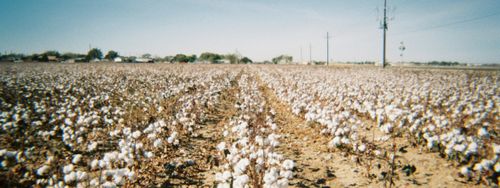
Organic Cotton
- Growth Rate: 8-10% annually through 2026
- Key Origins: India, Turkey, and increasingly Francophone Africa (Benin, Burkina Faso)
- Certification Standard: GOTS remains the "gold standard"
- Market Position: Foundational material for everyday sustainable basics
Linen (Flax)
- Unique Position: France is the world's leading flax producer
- Trend: "Relocalization" movement promoting local processing of French flax
- Import Pattern: Linen-blend fabrics from Southern Europe and North Africa for mid-market price points
- Marketing: Positioned as "ultimate sustainable fiber" due to low water consumption
Recycled Fibers
- Fastest Growth Segment: 15% CAGR for recycled cotton through 2026
- Recycled Polyester (rPET): Still dominant but French regulators increasingly favor "fiber-to-fiber" over "bottle-to-fiber" recycling
- Target: 20% recycled content threshold commonly cited in eco-design goals
- Innovation: Growing imports of mechanically recycled cotton yarns
Import Projections
| Metric | 2026 Projection |
|---|---|
| Sustainable Share of Total Textile Imports | 35-40% by value |
| Traceability Requirements | 90% of large retailers require Tier 4 (raw material) traceability |
| Green Price Premium | 12-18% above conventional equivalents |
Strategic Opportunities and Recommendations
For Brands and Retailers
-
Invest in Data Infrastructure: The eco-score and DPP requirements demand robust traceability systems capturing water usage, chemical management, and social conditions across Tier 2-4 suppliers
-
Prioritize Certified Materials: Source GOTS, GRS, or OCS-certified materials to streamline compliance with French market entry audits
-
Embrace Circular Models: Integrate repair services, take-back programs, and branded resale platforms to capture circular economy value
-
Leverage "Made in France": For appropriate product categories, local production offers both carbon reduction and marketing appeal
-
Avoid Greenwashing: France's consumer watchdog (DGCCRF) has intensified audits—only make claims you can prove with documentation
For Suppliers and Manufacturers
-
Achieve Multi-Certification: GRS + OEKO-TEX + GOTS certification opens maximum market access
-
Develop Transparency Capabilities: Invest in systems to provide digital traceability data for DPP compliance
-
Focus on Quality Over Volume: French market increasingly values durability and repairability over fast fashion volumes
-
Explore Innovative Blends: Recycled cotton mixed with Tencel or linen appeals to contemporary French fashion segment
For Investors
-
Circular Technology: Strong opportunities in textile-to-textile recycling startups and automated sorting for second-hand markets
-
Repair Infrastructure: Companies enabling the "repair economy" benefit from government subsidies and changing consumer behavior
-
Bio-Material Innovation: Next-generation materials (mushroom leather, seaweed fibers, agricultural waste textiles) position for long-term growth
Challenges and Considerations
Despite robust growth, the market faces constraints:
Price Sensitivity: Despite sustainability preferences, cost-of-living pressures create tension between ethical production and accessible pricing. Brands must find the "sweet spot" balancing values and affordability.
Supply Chain Complexity: Tier 4 traceability requirements demand unprecedented supply chain visibility, challenging for brands without direct manufacturer relationships.
Certification Costs: Smaller brands struggle with the financial burden of multiple certifications, potentially creating market consolidation.
Regulatory Complexity: Navigating overlapping French, EU, and sector-specific regulations requires dedicated compliance resources.
Conclusion
The France sustainable fashion market in 2026 represents a mature, regulated, and sophisticated ecosystem where sustainability is no longer optional. The convergence of mandatory eco-scoring, digital product passports, EPR modulation, and empowered consumers has created an environment where transparency, circularity, and traceability are fundamental to market access.
Brands that can demonstrate verifiable environmental credentials, embrace circular business models, and provide full supply chain transparency will thrive. Those unable to adapt face regulatory penalties, consumer rejection, and marketplace obsolescence.
France's leadership in sustainable fashion regulation is setting the template for Europe and beyond—making it not just a significant market, but a bellwether for the global industry's sustainable transformation.
For brands, retailers, and suppliers seeking to enter or expand in the French sustainable fashion market, the message is clear: invest in certifications, build traceability infrastructure, prioritize quality and durability, and prepare for a market where sustainability claims must be backed by data, not just marketing.