Netherlands Footwear Market Report 2026: Trends & Analysis
Created by SourceReady AI agent·2026-4-15
Netherlands Footwear Market Report 2026
Executive Summary
The Netherlands footwear market is entering a mature yet transformative phase in 2026. With an estimated total market value of €3.1-3.3 billion and a steady CAGR of 2.5-3.2% (2024-2026), the Dutch market stands out not for explosive volume growth, but for a fundamental shift in consumer values: sustainability is no longer optional, comfort has become non-negotiable, and transparency is expected as standard.
This report synthesizes market data, trade statistics, consumer trends, and competitive intelligence to provide a comprehensive view of where the Netherlands footwear sector stands in 2026.
Market Size and Growth Dynamics
Overall Market Performance
The Netherlands continues to demonstrate resilience in the post-pandemic era, with the footwear market fully recovering from supply chain disruptions. Key metrics for 2026 include:
- Total Market Revenue: €3.1 - €3.3 billion
- Per Capita Consumption: 3.8 - 4.1 pairs annually
- Online Sales Penetration: Over 45% (and rising)
- Market Growth Rate: 2.5-3.2% CAGR
While volume growth remains modest, the market is experiencing premiumization — Dutch consumers are buying fewer pairs but investing in higher-quality, more durable footwear. This shift reflects broader European trends toward conscious consumption and circular economy principles.
The E-commerce Advantage
The Netherlands benefits from world-class logistics infrastructure (PostNL, DHL hubs) that makes fast delivery and frictionless returns a standard expectation. This infrastructure advantage has accelerated the shift to online purchasing, with e-commerce now accounting for nearly half of all footwear transactions. The "webrooming" phenomenon — researching online, purchasing in-store — remains prevalent, requiring brands to invest in seamless omnichannel experiences.
Trade Landscape: Import Dependencies and Key Suppliers
Import Dominance by Country of Origin
Analysis of customs data from 2024 through Q2 2026 reveals the Netherlands' heavy reliance on Asian manufacturing, with Vietnam emerging as the undisputed leader:
| Origin Country | Total Import Value (USD) | Total Shipments | Share of Market |
|---|---|---|---|
| Vietnam | $686.9M | 87,441 | ~70% |
| Bangladesh | $141.2M | 2,891 | ~14% |
| Indonesia | $51.3M | 5,047 | ~5% |
| India | $26.3M | 8,862 | ~3% |
| Pakistan | $10.3M | 368 | ~1% |
Vietnam's dominance is striking — accounting for approximately 70% of total footwear import value into the Netherlands. This reflects the country's matured footwear manufacturing ecosystem, competitive labor costs, and established relationships with major global brands.
Bangladesh has emerged as the clear second-tier player, driven primarily by athletic and casual footwear production for major Western brands. Indonesia and India serve more specialized niches, with Indonesia focusing on performance outdoor footwear and India on leather dress shoes and sandals.
Top Manufacturing Exporters
Among individual manufacturers, the top 15 exporters shipping to the Netherlands (2025-2026) are predominantly Vietnamese contractors producing for major international brands:
Leading Exporters to Netherlands (by value, 2025-2026):
- Pou Yuen Vietnam - $64.4M (primarily Nike, Adidas production)
- Lac Ty II - $38.0M
- Bay Footwear Limited (Bangladesh) - $31.0M
- Shyang Hung Cheng - $29.8M
- Freeview Industrial Vietnam - $28.3M
These factories represent the backbone of the global athletic and casual footwear supply chain. Notably, Pou Yuen — one of the world's largest footwear manufacturers — alone accounts for nearly $64 million in shipments to the Netherlands, underscoring the concentration of production among a relatively small number of mega-factories.
The Netherlands as a Re-export Hub
An important caveat: the Netherlands serves as a European distribution gateway. A significant portion of imports arriving via the Port of Rotterdam and Schiphol Airport are ultimately destined for other EU markets (Germany, France, Belgium). This means raw import statistics overstate domestic consumption but accurately reflect the Netherlands' strategic position in the European supply chain.
Consumer Trends: The Sustainability Mandate
From Niche to Mainstream
Dutch consumers are among the most environmentally conscious in Europe. By 2026, sustainability has transitioned from a marketing advantage to a baseline requirement. The market is witnessing:
1. Circular Economy Integration
- Increased demand for recyclable materials and end-of-life "take-back" programs
- Brands offering repair services or modular footwear designs gain loyalty premiums
- "Product-as-a-service" models (shoe subscriptions, leasing) gaining traction, especially in performance running and children's footwear
2. Material Innovation
- Bio-based alternatives (mushroom leather, pineapple leaf fiber, grape skin leather) moving beyond experimentation into commercial production
- Consumer shift toward "plastic-free vegan" footwear — awareness that traditional PU-based vegan leather is still petroleum-derived
- Recycled materials (ocean plastic, old tires, PET bottles) expected as standard in mid-tier products
3. Radical Transparency and Digital Product Passports
- In anticipation of EU regulations, Dutch shoppers actively seek QR codes revealing full supply chain data
- Demand for carbon footprint metrics and water usage per pair
- "Greenwashing" heavily scrutinized; third-party certifications (B Corp, Cradle to Cradle) becoming essential
Key Product Categories Aligned with Consumer Values
Dominant Trends Shaping Purchase Decisions
1. Athleisure and the "Sneakerization" of Everything
The boundary between athletic, casual, and even professional footwear has permanently blurred. High-end sneakers are increasingly acceptable in business-casual settings, while "comfort-first design" principles (athletic cushioning, breathability) are being integrated into traditionally formal silhouettes.
Market implications:
- Sneakers remain the largest segment within the footwear market
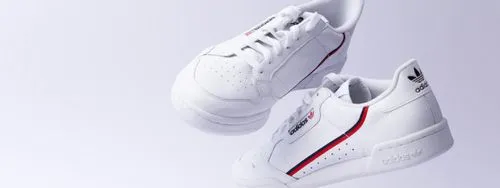
- Nike and Adidas continue to dominate through exclusive releases and collector culture
- Hybrid footwear (looks professional, feels athletic) shows highest growth potential
2. Health, Wellness, and Functional Performance
Rising interest in outdoor activities, fitness, and specialized sports (particularly trail running and padel tennis in the Netherlands) is boosting performance footwear segments:
- Barefoot/minimalist footwear has moved from niche to mainstream commercial category
- Waterproof outdoor shoes see consistent high-volume demand driven by Dutch climate
- Orthopedic and comfort-tech footwear gaining traction as population ages
Top-trending search terms in Netherlands (2026):
- Barefoot schoenen Nederland (score: 95)
- Waterdichte wandelschoenen heren (score: 92)
- Platform sneakers dames 2026 (score: 88)
- Salomon trail running sneakers (score: 84)
- Orthopedische schoenen heren breed (score: 78)
3. Digital Integration and Hyper-Personalization
The Netherlands' high internet penetration is driving adoption of:
- 3D foot scanning in retail stores (Amsterdam, Rotterdam) for perfect-fit recommendations
- Direct-to-Consumer (DTC) models bypassing traditional wholesalers through localized apps
- Social commerce and viral product discovery through platforms like TikTok and Instagram
Competitive Landscape
Brand Market Share
While specific 2025-2026 market share percentages remain proprietary, the competitive hierarchy is clear:
Global Leaders (Sport & Lifestyle):
- Nike: Maintains first position through strong Direct-to-Consumer sales via Nike app and flagship stores
- Adidas: Strong second position, focusing heavily on sustainability innovations and local retail partnerships
- Skechers: Growing presence in comfort-casual segment
Rising Performance Brands:
- On Running and Hoka: Rapidly gaining ground in premium performance segment
- Salomon: Benefiting from retro-tech aesthetic trend and outdoor activity boom
Dutch Local Powerhouses:
- Floris van Bommel: Blending traditional craftsmanship with modern e-commerce
- Omoda: Leading multi-brand retailer with strong omnichannel presence
Market Challenges
Despite strong fundamentals, the market faces headwinds:
- Economic pressure: Inflation may drive shifts toward private label or budget alternatives
- Changing loyalty dynamics: Younger consumers prioritize values alignment over traditional brand loyalty
- Supply chain volatility: Geopolitical tensions and climate events continue to disrupt Asian manufacturing
Strategic Recommendations
For Manufacturers and Brands
1. Design for Repairability
Dutch consumers in 2026 prefer a €150 shoe that can be resoled over a €60 disposable pair. Design footwear for easy disassembly and component replacement.
2. Invest in Transparency Infrastructure
Implement Digital Product Passports with verified supply chain data. Partner with third-party certification bodies to build credibility.
3. Localize the Sustainability Narrative
The Netherlands' "polder model" of collaboration creates opportunities to partner with local Dutch recycling startups for end-of-life footwear management.
4. Embrace "Quiet Sustainability"
Move beyond loud eco-warrior branding. The 2025-2026 aesthetic is sophisticated and minimalist, where sustainability is an invisible standard of quality rather than a marketing gimmick.
For Retailers
1. Omnichannel Excellence
Invest heavily in seamless experiences that support webrooming behavior. Physical stores should serve as showrooms and service centers, not just transaction points.
2. Curate for Values
Assortment decisions should prioritize brands with credible sustainability stories. Dedicate floor space to showcasing repair services and take-back programs.
For New Entrants
1. Target the "Comfort-Tech" Niche
Footwear that combines professional appearance with athletic comfort represents the highest growth opportunity for 2026.
2. Leverage Direct-to-Consumer
The Netherlands' logistics infrastructure makes DTC models particularly viable. Build localized digital experiences with Dutch-language content and local payment methods.
Outlook and Conclusions
The Netherlands footwear market in 2026 is defined by a single word: accountability. Consumers demand to know where products come from, how they're made, who made them, and what happens at end-of-life. This is not a passing trend but a permanent elevation of baseline expectations.
Key takeaways:
✓ Market is mature but transforming — growth comes from premiumization, not volume expansion
✓ Vietnam dominates supply — 70% of imports, with concentration among mega-factories serving global brands
✓ Sustainability is non-negotiable — circular economy principles must be integrated into core business models, not bolt-on initiatives
✓ Athleisure reigns — sneakers and hybrid footwear continue to capture share from traditional categories
✓ E-commerce is standard — but omnichannel integration remains critical for success
✓ Brand loyalty is conditional — values alignment (especially sustainability) increasingly determines purchase decisions
For brands and manufacturers targeting the Dutch market, success in 2026 requires moving beyond compliance to leadership in transparency, circularity, and consumer empowerment. Those who integrate these principles authentically will capture disproportionate value in one of Europe's most sophisticated footwear markets.