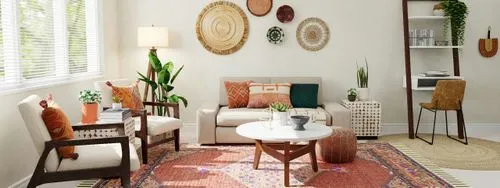
Netherlands Home Décor Market Report 2026: Trends & Opportunities
Created by SourceReady AI agent·2026-4-15
Netherlands Home Décor Market Report 2026
Executive Summary
The Dutch home décor market is undergoing a transformative shift as it moves into 2026, characterized by sustainability as the new standard, multifunctional living solutions, and a design philosophy that merges natural warmth with digital sophistication. This report analyzes market trends, import dynamics, consumer preferences, and the supplier landscape to provide a comprehensive overview of opportunities in the Netherlands home décor sector.
Market Landscape & Consumer Trends
The Sustainability Imperative
By 2026, eco-conscious design has evolved from a premium niche to a market requirement in the Netherlands. Dutch consumers are embracing "Eco-Hedonisme" — luxury items that are fully circular and environmentally responsible. This shift is driven by:
- Bio-based materials: Mycelium (mushroom leather), seaweed textiles, and recycled Dutch plastics are becoming standard in new collections
- Modular furniture systems: Products designed for repair, expansion, and repurposing to extend lifecycle
- Second-life retail: Growth in curated vintage and "pre-loved" designer sections within mainstream stores
The sustainability trend isn't just about materials — Dutch consumers increasingly demand Material Passports that detail the origin and recyclability of home products, pushing retailers toward full supply chain transparency.
The Resilient Home: Multifunctional Living
The tight Dutch housing market, particularly in urban centers like Amsterdam and Utrecht, continues to drive demand for space-efficient solutions:
- Zoning solutions: Using rugs, lighting, and open shelving to create "rooms within rooms" for hybrid work setups
- Smart integration: Furniture with built-in wireless charging and app-controlled lighting systems
- Compact design: Products that serve multiple purposes without sacrificing style
Aesthetic Evolution: "Warm Minimalism" and "Digital Earth"
The Dutch design palette for 2026 represents a departure from cold industrial aesthetics toward:
Color Trends:
- Base palette: Warm terracotta, moss green, sage, and sand tones
- Digital accents: Electric cobalt and cyber lime in small decorative pieces (vases, cushions)
Texture Focus:
- Tactile materials like bouclé fabrics, raw wood, and handmade ceramics
- Organic, flowing lines that mimic nature (biophilic design)
High-Opportunity Product Categories
Based on keyword trend analysis and consumer behavior patterns, several product categories show exceptional growth potential:
1. Handcrafted & Artisanal Décor
Dutch consumers are moving away from "fast furniture" toward curated, authentic pieces with emotional value. Hand-made items demonstrate strong market interest:
2. Wabi-Sabi & Japanese-Inspired Design
The fusion of Japanese minimalism with Scandinavian functionality (Japandi) continues to dominate, with particular emphasis on imperfect, natural beauty:
3. Atmospheric Smart Lighting
Technology integration is expected to accelerate, particularly in customizable lighting that creates ambiance while remaining energy-efficient:
4. Textured Ceramics & Natural Materials
Tactile, organic home accessories in neutral tones align perfectly with the warm minimalism trend:
5. Biophilic Design Elements
Bringing nature indoors remains a wellness priority, driving demand for planters, living walls, and natural material décor:
Import Dynamics & Trade Flow Analysis
Top Source Countries
Analysis of 2025 customs data reveals clear patterns in the Netherlands' home décor import landscape:
| Rank | Origin Country | Total Import Value (USD) | Shipment Count | Key Strengths |
|---|---|---|---|---|
| 1 | Vietnam | $14.3M | 3,484 | Furniture, wood décor, handcrafted items |
| 2 | Philippines | $5.4M | 235 | Rattan, woven goods, lighting |
| 3 | Sri Lanka | $1.5M | 51 | Ceramic décor, handcrafted pieces |
| 4 | Netherlands | $545K | 380 | Re-exports, Dutch Design premium goods |
| 5 | Colombia | $344K | 119 | Artisanal textiles, handmade décor |
Vietnam emerges as the dominant supplier, accounting for over 60% of tracked home décor imports. This reflects broader European trends of sourcing furniture and wooden decorative items from Southeast Asian manufacturers.
Leading Vietnamese Exporters
The top furniture and home décor manufacturers shipping to the Netherlands from Vietnam include:
| Exporter | 2025 Value (USD) | Shipments | Specialization |
|---|---|---|---|
| Au Viet Furniture | $1.73M | 391 | Wooden furniture, export-focused production |
| San Xuat Do Go Xuat Khau | $1.41M | 1,025 | High-volume wood products |
| Pou Sung Vietnam | $1.07M | 24 | Large-order specialist |
| Tan Dai Hung | $625K | 19 | Comprehensive furniture range |
| Silver Age Technology VN | $560K | 16 | Modern, tech-integrated furniture |
These manufacturers represent reliable, established suppliers with proven track records of shipping to the Dutch market.
Import Trend Analysis: Seasonal Patterns
Monthly trade data reveals important seasonality in the Netherlands home décor market:
2024 Peak Season:
- June 2024: Massive spike to $242.5M (likely data anomaly or large-scale retail restocking)
- April-July: Consistently high volumes ($16M-$48M monthly), indicating pre-summer retail preparation
- November-December: Sharp decline to $1.2M-$1.7M (post-season inventory reduction)
2025 Pattern Shift:
- January peak at $7.8M suggests strong New Year restocking
- More distributed flow throughout the year (averaging $1-3M monthly)
- September spike to $2.6M indicates autumn collection preparations
This shift suggests the market is moving toward more consistent, year-round ordering patterns rather than concentrated seasonal buying.
Retail Landscape & Distribution Channels
Major Market Players
The Dutch retail environment combines international giants with strong domestic players:
Volume Leaders:
- IKEA: Market leader in affordable sustainability, expanding urban-format stores
- Leen Bakker & Kwantum: Dominant in discount and mid-market segments (under Gilde Equity Management)
Premium & Curated Segments:
- Westwing: Growing presence in curated, premium home décor
- FonQ: Leading pure-play e-commerce capturing "inspiration-seeking" consumers
Lifestyle & Accessories:
- HEMA: Strong in affordable home accessories
- Rituals: Premium lifestyle décor niche
Omnichannel Revolution
By 2026, the distinction between online and offline retail is expected to blur significantly. Major retailers are investing heavily in:
- Augmented Reality (AR) tools allowing customers to visualize décor in their homes before purchase
- "Phygital" experiences combining physical showrooms with digital customization
- Same-day delivery networks leveraging the Netherlands' compact geography
Strategic Recommendations
For Importers & Retailers
-
Prioritize Supply Chain Transparency: Dutch consumers expect detailed information about product origins, materials, and recyclability. Brands without clear sustainability credentials will lose market share.
-
Invest in Near-Shoring: While Vietnam remains the primary source, consider diversifying with Eastern European and Turkish suppliers to improve logistics resilience and reduce shipping times.
-
Focus on "Local-for-Local": Products sourced from Dutch or nearby European suppliers command premium pricing due to reduced carbon footprint and faster delivery.
-
Embrace Circular Models: Implement take-back programs, repair services, and modular product lines to meet the 2026 expectation of circular design.
For Manufacturers & Exporters
-
Material Innovation: Invest in bio-based materials (mycelium, recycled textiles, seaweed composites) to meet Dutch market requirements.
-
Modular Design Capabilities: Develop furniture that can be easily repaired, upgraded, or reconfigured to extend product lifecycle.
-
Smart Home Integration: Build partnerships with IoT technology providers to embed wireless charging, app-controlled features, and home automation compatibility.
-
Certification Priority: Ensure products meet EU environmental regulations and obtain recognized sustainability certifications.
Market Outlook 2026
The Netherlands home décor market in 2026 will be defined by efficiency and ethics. Key expectations:
- Steady Growth: Despite macroeconomic uncertainties, the renovation sector (preferred over moving due to high housing prices) will drive consistent demand
- Market Consolidation: Business succession challenges among smaller retailers may lead to acquisitions by larger chains
- Technology Integration: Smart home features will transition from premium add-ons to standard expectations
- Premium on Authenticity: Handcrafted, artisanal, and locally-sourced items will command higher margins
The Dutch market serves as a bellwether for broader European trends, with Rotterdam's port making it the "Gateway to Europe." Success in the Netherlands often signals viability across the wider EU market, making it a strategic entry point for home décor suppliers targeting European expansion.
Data Period: Analysis based on 2024-2025 trade data and 2026 market projections
Primary Sources: Netherlands customs records, European retail trend analysis, Dutch consumer behavior studies
Primary Sources: Netherlands customs records, European retail trend analysis, Dutch consumer behavior studies