Netherlands Luxury Home Décor Market Report 2026
Created by SourceReady AI agent·2026-6-29
Netherlands Luxury Home Décor Market Report 2026
Executive Summary
The Netherlands luxury home décor market is experiencing a fundamental shift toward "quiet luxury" and emotional comfort as we move into 2026. The broader furniture e-commerce sector is projected to reach US$1,215 million in revenue by 2025, growing at a healthy 5-10% CAGRECDB Furniture Industry Netherlands (ecdb.com). This growth is occurring within a robust digital economy expected to reach USD 36.54 billion in total e-commerce by 2025Research and Markets (researchandmarkets.com).
The luxury segment is being redefined by three major forces: voluminous "fat furniture" designs, sustainable opulence, and invisible smart home integration. High-Net-Worth Individuals (HNWIs), particularly concentrated in Amsterdam and Rotterdam, are driving demand for bespoke craftsmanship and wellness-oriented interiors, with luxury renovation budgets ranging from €250,000 to over €1.5 million.
Market Size & Growth Dynamics
Overall Market Context
While specific luxury segment valuation for 2026 remains restricted in proprietary databases, the available data reveals strong fundamentals:
| Market Segment | 2025 Revenue | Growth Rate | 2030 Projection |
|---|---|---|---|
| Furniture E-commerce | US$1,215M | 5-10% CAGR | — |
| Total E-commerce | USD 36.54B | 9.31% CAGR | USD 57.03B |
The luxury home décor segment typically outpaces the general furniture market in terms of margins, driven by the concentration of wealth in key urban centers. The Netherlands' high internet penetration and sophisticated logistics infrastructure create ideal conditions for both online and offline luxury retail.
Digital Transformation
The 5-10% growth in furniture e-commerce indicates a behavioral shift toward "webrooming" (online research before in-store purchase) and direct online purchasing. Dutch consumers demonstrate high confidence in purchasing large-ticket home items digitally, supported by advanced AR visualization tools and flexible return policies offered by premium retailers.
Defining Trends for 2026
1. The "Fat Furniture" Revolution
The most dramatic aesthetic shift for 2026 is the move toward oversized, voluminous furniturevtwonen (vtwonen.nl). This trend prioritizes physical comfort and psychological security:
- Key Features: Oversized sofas, rounded corners, "puffy" armchairs, and enveloping silhouettes
- Consumer Motivation: The home as sanctuary—a desire for cocooning and relaxation in response to external stressors
- Design Impact: A departure from the slim, industrial lines that dominated previous years
2. Organic Shapes & Fluidity
Rigid, sharp edges are being replaced by flowing, nature-inspired forms:
- Design Elements: Circular dining tables, bean-shaped sofas, arched doorways and mirrors
- Materials: Emphasis on tactile, natural surfaces—light woods, marble, travertine, bouclé fabrics, and heavy linens
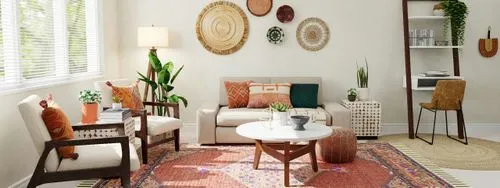
- Color Palette: Warmer neutrals replacing stark whites—creams, sands, earthy beiges creating monochromatic warmth
3. Quiet Luxury & Craftsmanship
The Dutch market is moving decisively away from overt branding toward understated excellence:
- Material Focus: High-quality, artisanal pieces emphasizing longevity over trend-chasing
- Custom Joinery: Bespoke cabinetry and integrated storage now considered the ultimate luxury
- Tactile Experience: The "feel" of fabric and finish is as important as visual aesthetics
4. Sustainable Opulence
Sustainability is no longer an "extra" but a baseline requirement in the luxury segment:
- Circular Economy: High-end brands offering refurbishment and take-back services
- Bio-based Materials: Innovation in eco-friendly luxury materials (mycelium leather, recycled high-end plastics)
- Transparent Sourcing: EU regulations and consumer expectations driving verifiable supply chain transparency
5. Invisible Technology Integration
Smart home features are being seamlessly woven into luxury aesthetics:
- Integrated Systems: High-end sound systems and climate controls built into custom cabinetry
- Circadian Lighting: Advanced systems (Lutron, Casambi) that mimic natural light rhythms
- Hidden Entertainment: Home cinemas and high-fidelity audio concealed within architectural elements
Consumer Insights & Regional Dynamics
HNWI Spending Patterns
The Netherlands' HNWI population (individuals with investable assets of $1M+) continues to grow at an estimated 3-5% annually in the Randstad region. Their spending behaviors define the luxury market:
| Spending Category | Average Investment | Key Drivers |
|---|---|---|
| Luxury Renovations | €250K - €1.5M+ | Wellness architecture, home-office optimization |
| Custom Furniture | High-ticket bespoke pieces | Emphasis on European/Dutch craftsmanship |
| Smart Integration | Premium invisible tech | Lifestyle automation without aesthetic compromise |
Amsterdam: Heritage Meets Modernity
Amsterdam remains the epicenter of Dutch luxury design, characterized by:
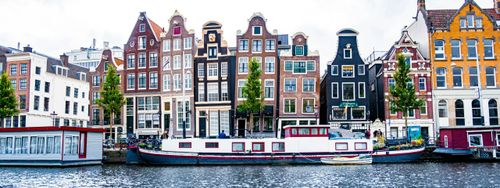
- Historical Restoration: High spending on modernizing UNESCO-protected canal houses while preserving architectural heritage
- International Influence: Significant expat and tech executive population driving global design aesthetics
- Zuidas District: Surge in high-end apartment projects featuring "hotel-chic" interiors
Rotterdam: Architectural Innovation
Rotterdam offers a contrasting luxury profile focused on contemporary expression:
- Vertical Living: Major investment in luxury high-rise interiors (De Zalmhaven, Maastoren developments)
- Experimental Design: HNWI clients more receptive to avant-garde, architectural furniture and bold materials
- Scale Advantage: Larger floor plans compared to Amsterdam's compact historic center, enabling expansive open-plan luxury
Competitive Landscape: Dutch Luxury Brands
The Dutch luxury market is anchored by three major domestic brands, each occupying distinct positioning:
Brand Comparison
| Brand | Core Identity | Market Segment | Competitive Advantage |
|---|---|---|---|
| Moooi | Avant-garde, "Extraordinary" design | High-end Designer / Art-focused | Iconic statement pieces; expansion into wallcoverings and carpets |
| Eichholtz | Opulent, "Grand Hotel" aesthetic | Luxury Wholesale / International Projects | Massive B2B presence; full-room solutions for hotels and developments |
| Pols Potten | Playful, unconventional, Dutch-centric | Boutique Luxury / Creative Objects | Strong in home accents; collaborative approach with Dutch designersPolspotten - Amsterdam (instagram.com) |
Market Share Dynamics
While precise revenue percentages are proprietary, several trends define the 2025-2026 competitive landscape:
- Shift to Quiet Luxury: Brands adapting to more tactile, sustainable designs are gaining share from traditional importers
- Digital Dominance: Significant market advantage for brands with superior 3D visualization and AR tools (particularly Eichholtz in B2B wholesale)
- Nordic Competition: Increased pressure from Scandinavian "New Nordic" brands, forcing Dutch players to emphasize their design heritage
- Mind Share vs. Volume: Moooi dominates prestige and cultural influence; Eichholtz leads in commercial volume; Pols Potten excels in finishing touches and decorative objects
Supply Chain Intelligence
Global Supplier Landscape
Our investigation identified 90 suppliers actively targeting the Netherlands and broader European luxury home décor market. The supplier base shows strong concentration in China (particularly Guangzhou, Shenzhen, Fujian regions), India, and select European manufacturers.
Key Supplier Categories:
- Resin & Sculptural Décor: Multiple Chinese manufacturers specializing in luxury resin handicrafts and artistic installations
- Ceramic & Porcelain: High-end ceramic vase and tableware producers, primarily from Chaozhou and Jingdezhen
- Metal Décor: Luxury metal wall art, candle holders, and sculptural pieces from Indian and Chinese exporters
- Textile & Soft Furnishings: Premium carpets, throws, and textile accessories from specialized manufacturers
Top Exporters to Netherlands (Customs Data)
Analysis of actual shipment data reveals the leading exporters of home décor and interior accessories to the Dutch market:
| Rank | Exporter | Total Value (USD) | Shipment Count | Profile |
|---|---|---|---|---|
| 1 | STEEN ANTIEK V O F | $783,815 | 5 | High-value antique specialist |
| 2 | DAVIDOWSKI BV | $627,509 | 12 | Consistent mid-to-high volume trader |
| 3 | STRYDHAGEN ANTIQUES BV | $514,019 | 5 | Antique furniture and décor |
| 4 | DECO DE TREND | $367,858 | 218 | High-frequency, moderate-value shipments |
| 5 | POOL TRADING BV | $318,578 | 1 | Single high-value shipment |
| 6 | GERT SNEL BV | $210,496 | 2 | Premium decorative items |
| 7 | BLUE REBEL INTERIOR | $107,899 | 2 | Contemporary interior focus |
| 8 | EMPIRE BV | $100,648 | 1 | — |
| 9 | PROTHEME GLOBAL INC | $98,254 | 7 | Regular shipment pattern |
| 10 | NEO CASTA INTERNATIONAL | $73,070 | 51 | High-frequency, lower-value items |
Key Insights:
- The market shows a mix of high-value/low-frequency antique traders and high-frequency/moderate-value contemporary décor suppliers
- Antique and vintage pieces command premium pricing (top 3 exporters average $500K+ on 5-12 shipments)
- Volume players like DECO DE TREND and NEO CASTA serve the broader decorative accessories market with frequent, smaller shipments
Search & Consumer Behavior Insights
Analysis of Dutch consumer search patterns reveals specific product interests and terminology preferences:
Top Luxury Search Terms (scored by commercial intent and volume):
- Luxe kaarsenhouder goud marmerlook (score: 92) - Luxury candle holders with gold and marble aesthetics
- Premium vaas interieur design (score: 88) - Premium vases for interior design
- Textured abstract canvas wall art Netherlands (score: 85) - Textured wall art with abstract themes
- Amsterdam canal house wall art framed (score: 78) - Locally-inspired decorative art
- Luxe kaarswarmer lamp dimbaar timer (score: 74) - Luxury candle warmers with smart features (dimmable, timer)
Strategic Implications:
- Strong preference for Dutch-language search terms in the luxury segment, indicating localization importance
- High interest in specific material finishes (gold, marble, texture)
- Emerging demand for functional luxury (smart candle warmers with timers)
- Local cultural motifs (Amsterdam canal houses) show strong commercial potential
- Texture and tactility emphasized even in search behavior
Strategic Recommendations
For Brands Entering the Market
-
Emphasize Tactility: In the premium segment, physical experience matters. Invest in showrooms where customers can touch bouclé fabrics, natural stone, and high-pile textiles.
-
Localize Digitally: Despite high English proficiency, luxury searches skew Dutch. Optimize for Dutch-language keywords and emphasize local design heritage.
-
Sustainability as Standard: Dutch consumers expect transparent sourcing and circular economy principles as baseline, not premium add-ons.
-
Hyper-Personalization: Offer "white-glove" concierge services managing everything from art procurement to installation and integration.
For Suppliers & Manufacturers
-
Quality Over Volume: The Dutch market rewards craftsmanship and durability. Position products for longevity and repairability.
-
EU Compliance First: Sustainability regulations are strict. Ensure verifiable supply chain transparency and material certifications.
-
Smart Integration Ready: Products should accommodate (or include) invisible technology integration—hidden cable management, IoT compatibility.
For Investors & Analysts
-
Monitor Trade Fair Signals: Events like Maison&Objet and Dutch Design Week often preview 24-month market movements before they appear in sales data.
-
Track Niche Players: Review annual reports from Moooi, Eichholtz, and emerging Dutch design houses for revenue trajectory insights.
-
Regional Diversification: Rotterdam represents an underexplored opportunity compared to Amsterdam's saturated market—focus on modern, large-scale residential projects.
Conclusion
The 2026 Netherlands luxury home décor market is characterized by a sophisticated balance of comfort, sustainability, and understated elegance. The "Fat Furniture" trend represents more than an aesthetic shift—it signals a cultural prioritization of mental well-being and domestic sanctuary.
With HNWI populations growing steadily, robust e-commerce infrastructure, and a mature appreciation for design quality, the Netherlands offers a stable, high-value market for luxury interior brands. Success requires understanding the Dutch preference for tactile materials over logos, circular economy principles over newness, and invisible technology over showy gadgets.
The market is not about ostentation—it's about quiet confidence in quality. Brands that can deliver bespoke craftsmanship, transparent sustainability, and emotionally comforting design will capture the premium position in this discerning market.
Next Steps for Deeper Research
To obtain more granular financial data:
- Access Proprietary Reports: Secure corporate subscriptions to Mordor Intelligence or Statista for luxury segment-specific valuations
- Chamber of Commerce Filings: Deep dive into 2024-2025 annual filings at the Kamer van Koophandel for specific Dutch brand financials
- Trade Fair Intelligence: Attend Dutch Design Week 2026 and monitor Maison&Objet presentations for 2027 trend forecasts
- Retailer Interviews: Conduct primary research with Amsterdam and Rotterdam high-end furniture retailers for on-the-ground spending patterns