Spain Smart Devices Market Report 2026: Trends & Opportunities
Created by SourceReady AI agent·2026-4-15
Spain Smart Devices Market Report 2026
Executive Summary
The Spanish smart devices market is experiencing a significant transformation as it enters 2026, shifting from early-adopter novelty to mainstream utility. The market is projected to achieve over 25% penetration in smart homes by 2026, driven by three core factors: energy cost management, an aging population requiring health monitoring solutions, and the maturation of interoperability standards like Matter. This report analyzes market size, competitive dynamics, supply chain patterns, and consumer preferences to provide a comprehensive view of Spain's smart devices landscape.
Market Size and Growth Projections
The Spanish smart devices market in 2026 is characterized by steady, value-driven growth rather than explosive volume expansion. The market has matured beyond the initial hype phase, with growth now fueled by replacement cycles and the premiumization of devices with advanced features.
Key Segments and Expected Trends
| Segment | Growth Trajectory | Primary Driver |
|---|---|---|
| Smart Home | High Growth | Energy cost savings and security concerns |
| Wearables | Steady 4-6% CAGR | Health monitoring and fitness integration |
| Industrial IoT | Rapid Adoption | Digital transformation (Industry 4.0) |
| Smart Utilities | Mandatory Rollouts | Government regulations on smart metering |
Wearables Market Dynamics: Smartwatches are projected to account for over 70% of total wearable revenue in Spain by 2026, with a notable shift toward higher Average Selling Prices (ASP) as consumers upgrade from basic fitness bands to full-featured smartwatches with medical-grade sensors.
Critical Market Trends Shaping 2026
1. Energy Management as the Primary Growth Driver
Spain's sensitivity to volatile energy prices has made energy-efficient smart devices the top priority for consumers. Unlike other European markets where security or convenience leads adoption, Spanish households view smart home technology primarily through the lens of cost reduction.
Key Products in Demand:
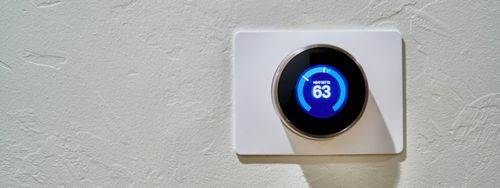
- Smart thermostats that learn user habits and adjust based on hourly electricity pricing
- Energy monitoring smart plugs (the #1 trending product category)
- Integration systems for managing solar panel excess energy and EV charging
The economic imperative is clear: devices must demonstrate a clear return on investment through reduced utility bills to gain market traction.
2. The "Matter" Protocol Revolution
The consolidation around the Matter standard represents the most significant technical shift for 2025-2026. Spanish consumers have historically been frustrated by fragmented ecosystems requiring multiple apps and incompatible devices. By 2026, Matter certification is becoming a non-negotiable requirement, allowing seamless integration across Apple, Google, Amazon, and Samsung ecosystems.
This standardization is expected to:
- Eliminate the need for multiple proprietary hubs
- Accelerate adoption among late-majority consumers who were previously hesitant
- Enable true multi-brand smart home configurations
3. The "Silver Economy" and E-Health Expansion
With one of the highest life expectancies in the EU, Spain's aging demographic is driving substantial growth in health-focused wearables and monitoring devices. Key growth areas include:
- Remote patient monitoring for chronic conditions
- Fall detection sensors and emergency response systems
- Wearables with medical-grade certifications (ECG, blood pressure, sleep apnea detection)
This demographic shift is transforming wearables from "fitness gadgets" to "health tools," with implications for healthcare provider integration and insurance partnerships.
4. AI Integration and Edge Computing
Two AI-related trends are converging in 2026:
Generative AI Assistants: Voice assistants are evolving beyond simple commands to contextual conversations, capable of managing complex routines based on detected user needs and moods.
Edge AI for Privacy: Spanish consumers show high privacy awareness. The shift toward local processing (Edge AI) for security cameras and smart home devices—where data is analyzed on-device rather than sent to the cloud—is gaining significant traction.
5. 5G Infrastructure Enabling Real-Time Applications
The nationwide 5G rollout is the infrastructure backbone enabling 2026's smart device ecosystem, particularly for:
- Low-latency security cameras and video doorbells
- Cellular-enabled smartwatches (LTE/5G) with independent connectivity
- Smart city infrastructure in urban centers like Madrid, Barcelona, and Valencia
Supply Chain and Trade Analysis
Analysis of 2025 customs data reveals the dominant role of Vietnamese manufacturers in Spain's smart device supply chain, particularly Samsung's production facilities.
Top Exporters to Spain (2025 Data)
The customs data for HS codes 8517 (telecommunications equipment), 8471 (computing devices), and 8528 (monitors and displays) shows clear concentration:
| Rank | Exporter | Origin | Total Value (USD) | Volume (Units) |
|---|---|---|---|---|
| 1 | Samsung Electronics Vietnam Thai Nguyen | Vietnam | $152.9M | 622,126 |
| 2 | Samsung Electronics Vietnam | Vietnam | $140.6M | 413,244 |
| 3 | Fuyu Precision Technology | Vietnam | $12.0M | 26,513 |
| 4 | Precision Technology Component Fulian | Vietnam | $4.3M | 124,719 |
| 5 | Baek Geum Philippines | Philippines | $1.1M | - |
Key Insights:
- Samsung's Vietnam operations dominate with nearly $293.5M in combined shipments, representing the majority of tracked smart device imports
- Strong concentration in Southeast Asian manufacturing, particularly Vietnam and Philippines
- Vietnamese electronics manufacturing ecosystem serves as the primary pipeline for Spain's smart device market
- The data reflects the broader trend of European markets sourcing from Asian contract manufacturers rather than domestic production
Competitive Landscape: Brand Market Share
The Spanish market remains a highly competitive three-way race among the major technology brands, with distinct positioning strategies.
Brand Market Share (2025-2026 Projections)
| Brand | Estimated Share (2025) | 2026 Outlook | Key Strategy |
|---|---|---|---|
| Samsung | ~27% | Stable Leadership | Galaxy AI integration across mid-range devices; foldables expansion |
| Xiaomi | ~25% | Slight Growth | Value-for-money positioning; IoT ecosystem dominance |
| Apple | ~21% | Stable/Growth | Premium segment control; Apple Intelligence features |
| Others | ~27% | Declining | Market consolidation toward top three brands |
Strategic Positioning
Samsung: Maintains market leadership through portfolio breadth, from budget A-series to flagship S-series and innovative foldables. The "Galaxy AI" feature set being pushed down to mid-range devices is key to defending share in price-sensitive Spain.
Xiaomi: Trades volume leadership with Samsung while pursuing "premiumization" to compete with Apple. Its strength lies in the broader smart home ecosystem (Mi Home), where it offers the most comprehensive range of connected devices beyond phones and wearables.
Apple: Though third in unit share, Apple dominates profit margins and shows the strongest brand loyalty. The company is successfully expanding beyond its traditional premium base through aggressive trade-in programs, making iPhones more accessible to middle-class Spanish consumers.
Consumer Insights: What Spanish Buyers Actually Want
Analysis of e-commerce keyword trends and search behavior reveals distinct Spanish consumer preferences that differ from broader European patterns.
Top Smart Home Device Priorities
The keyword trend analysis shows energy management and localized solutions dominating consumer interest:
#1 Priority: Energy Monitoring Smart Plugs
The highest-scoring keyword is "enchufe inteligente medidor consumo" (smart plug with consumption meter), reflecting the economic-first approach Spanish consumers take to smart home adoption.
The highest-scoring keyword is "enchufe inteligente medidor consumo" (smart plug with consumption meter), reflecting the economic-first approach Spanish consumers take to smart home adoption.
Localized Automation Needs:
- Smart shutter controllers ("interruptor persiana wifi") ranked #2 - a uniquely Spanish/Mediterranean requirement tied to local building architecture
- Smart radiator valves for zone heating control
- 4K video doorbells for security (a universal concern)
Emerging Category:
- Mini portable smart projectors are gaining traction on TikTok Shop, representing the entertainment segment
Top Wearable Device Trends
The wearables market shows clear bifurcation between budget volume and specialized premium:
Volume Leaders:
- Women's smartwatches with Bluetooth calling (€15-€50 range) - highest search volume
- "Military" rugged smartwatches for men with 1000mAh batteries for outdoor enthusiasts
- Emphasis on specific technical specs: IP68 waterproofing, multi-day battery life
Emerging Premium Niche:
- Smart rings for fitness and sleep tracking - a high-growth category for health-conscious consumers
- Voice assistant integration (Alexa-enabled smartwatches)
- Basic fitness bands remain relevant in the budget segment but are losing share to full smartwatches
Key Consumer Profile Characteristics
Spanish smart device buyers prioritize three pillars:
- Economic Value: The device must reduce monthly costs (energy bills) or demonstrate clear ROI
- Plug-and-Play Simplicity: Strong preference for devices that don't require professional installation
- Sustainability: Growing interest in products made with recycled materials and high energy efficiency ratings
Product Opportunities for 2026
Based on market trends and consumer demand patterns, several product categories show strong growth potential for the Spanish market:
Energy Management Solutions
Smart plugs with energy monitoring capabilities represent the single largest opportunity, serving as the entry point for many Spanish households into smart home ecosystems.
Localized Smart Home Automation
Spain-specific needs like smart shutter (persiana) controllers and smart radiator valves for zone heating represent opportunities for products tailored to Mediterranean building standards.
Women's Smartwatches with Calling Features
The highest-volume wearable search category combines aesthetic design with practical calling functionality, targeting the €15-€50 mid-market segment.
Rugged Extended-Battery Smartwatches
Outdoor and sports enthusiasts drive demand for durable smartwatches with multi-day battery life, representing a premium category with strong margins.
Emerging Category: Smart Rings
Smart rings represent a fast-growing niche for health-conscious consumers seeking discrete fitness and sleep tracking without the bulk of a smartwatch.
Strategic Recommendations
For Manufacturers and Brands
-
Prioritize Matter Compatibility: Products launching in 2026 without Matter certification will face significant market resistance. Interoperability is no longer optional.
-
Lead with Energy Savings: Marketing messaging must emphasize cost reduction and ROI. "Coolness" and novelty are secondary to economic utility in the Spanish market.
-
Localize Hardware Solutions: Products addressing Spain-specific needs (shutter controllers, high IP ratings for coastal regions) can command premium pricing and build brand loyalty.
-
Invest in Spanish Language AI: On-device AI features must include robust Spanish language processing to compete effectively against global brands.
For Retailers
-
Educate on Ecosystems: Sales staff should be trained to help customers build compatible multi-device systems rather than selling individual products in isolation.
-
Emphasize Privacy Features: Edge AI and local processing capabilities should be prominent in marketing, given high Spanish consumer awareness of data privacy (GDPR compliance culture).
-
Offer Installation Support: While consumers prefer plug-and-play, offering configuration services for complex ecosystems can be a key differentiator.
For Investors
-
Smart City Infrastructure: Spanish municipalities are receiving EU recovery funds for urban digitalization, creating opportunities in B2G smart city solutions.
-
Health Tech Integration: Companies building bridges between consumer wearables and Spain's public healthcare system (integration with medical records, remote monitoring programs) represent high-growth potential.
Challenges and Limitations
Market Saturation in Urban Centers: High penetration among tech-savvy populations in Madrid, Barcelona, and Valencia means future growth must come from replacement cycles or expansion into secondary cities.
Economic Sensitivity: Consumer spending remains inflation-sensitive, potentially driving buyers toward "value flagship" models from brands like Amazfit, Huawei, and Xiaomi's sub-brands (Redmi/POCO) over premium Apple and Samsung flagships.
Fragmented Retail Landscape: While Amazon.es dominates online sales, traditional electronics retailers (MediaMarkt, El Corte Inglés) and emerging social commerce platforms (TikTok Shop) create a complex go-to-market environment.
Conclusion
Spain's smart devices market in 2026 represents a mature, value-driven ecosystem where technology has transitioned from novelty to utility. The market is defined by three convergent forces:
- Economic pragmatism driving adoption of energy management devices
- Demographic shifts creating demand for health-focused wearables
- Technical standardization (Matter, 5G) removing barriers to ecosystem adoption
The €200-500M import market dominated by Vietnamese Samsung production facilities serves a consumer base that values interoperability, local problem-solving, and demonstrable cost savings above cutting-edge features. Success in this market requires understanding that "smart" devices must make economic sense first and provide technological delight second.
For brands, manufacturers, and retailers, 2026 offers substantial opportunities—but only for those who align with Spanish consumers' fundamental priorities: make it save money, make it work together, and make it respect privacy.