Spain Wearables Market Report 2026: Growth & Trends
Created by SourceReady AI agent·2026-4-15
Spain Wearables Market Report 2026
Executive Summary
The Spanish wearables market is positioned for sustained growth through 2026, driven by an aging yet tech-savvy population, increasing health consciousness, and the integration of wearable technology into daily life. The market is projected to reach €620 million in revenue by 2026, up from €580 million in 2025, representing a compound annual growth rate (CAGR) of approximately 6-7%Statista Digital Market Outlook (statista.com).
The market has matured beyond simple step counting to comprehensive health monitoring, with advanced biometric sensors, AI-powered insights, and seamless payment integration becoming standard features. This evolution reflects a fundamental shift in consumer perception—wearables are now viewed as preventive health tools rather than mere fitness accessories.
Market Size and Growth Trajectory
Revenue Projections
| Year | Market Revenue | Growth Rate | Key Driver |
|---|---|---|---|
| 2025 | €580 million | ~6.5% | Health monitoring adoption |
| 2026 | €620 million | ~7.2% | AI integration & premium devices |
The Spanish market demonstrates resilience and steady expansion, with revenue growth outpacing unit growth—a clear indicator of premiumization. Consumers are increasingly willing to invest in higher-priced devices that offer medical-grade sensors and sophisticated health analytics.
Market Penetration
- 2025: Approximately 32% of the active population owns a wearable device
- 2026: Expected to reach 35%, with notable growth in the 65+ demographic
- Average Revenue Per User (ARPU): €55, reflecting the shift toward feature-rich devices
Competitive Landscape and Market Share
The Spanish wearables market is characterized by a competitive three-tier structure, with global brands dominating but regional price sensitivity creating opportunities for value players.
Tier 1: Market Leaders
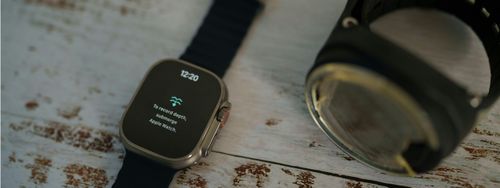
Apple maintains its position as the revenue leader, capturing an estimated 22-25% of total market value in 2025-2026. While not the volume leader, the Apple Watch series—particularly the Ultra model—dominates the premium segment. The ecosystem integration with iPhone and the emphasis on health features (ECG, fall detection) resonates strongly with Spanish consumers.
Xiaomi leads in unit volume with a projected 20-23% share of devices sold. The company's success stems from aggressive pricing and feature parity with premium brands. The Smart Band and Redmi Watch series have become ubiquitous among price-conscious consumers, particularly in the under-35 demographic.
Samsung holds a solid third position with 12-15% market share, benefiting from its integration with the Android ecosystem. The Galaxy Watch series serves as the default choice for non-iPhone users seeking a premium experience.
Tier 2: Specialists
Huawei maintains 8-10% share despite ecosystem challenges, valued for superior battery life and hardware design. Garmin dominates the athletic and "prosumer" segment with 7-9% share, particularly strong among cyclists, runners, and padel enthusiasts—sports with high participation rates in Spain.
Emerging Players: Budget-friendly brands like Amazfit capture 5-7% of the market by offering premium aesthetics at mid-range prices, successfully targeting the "affordable luxury" segment.
Product Category Analysis
Smartwatches: The Market Anchor
Smartwatches remain the dominant category, accounting for the majority of market revenue. The Spanish market shows bifurcation:
-
Premium Segment: Devices featuring titanium cases, sapphire crystal, and independent LTE connectivity. Health sensors include ECG, blood oxygen (SpO2), body temperature, and emerging non-invasive glucose monitoring.
-
Mid-to-Budget Segment: Asian brands continue gaining share, offering comprehensive health tracking at sub-€100 price points, democratizing access to advanced features.
Fitness Trackers: Under Pressure
Traditional fitness bands face cannibalization from affordable smartwatches. To survive, manufacturers are pivoting toward:
- Ultra-long battery life (20+ days) as a key differentiator
- Minimalist jewelry-inspired designs that blend technology with fashion
- Specialized use cases (sleep-only tracking, medical compliance monitoring)
Smart Rings: The High-Growth Category
Smart rings represent the fastest-growing segment for 2025-2026, albeit from a small base. Brands like Oura and Samsung's Galaxy Ring appeal to users seeking:
- Discrete 24/7 monitoring without screen distraction
- Superior sleep tracking due to finger-based heart rate variability measurement
- Extended battery life (5-7 days typical)
This category is expected to see triple-digit growth rates as awareness increases and pricing becomes more accessible.
Hearables: Convergence of Audio and Health
Smart earbuds with integrated activity tracking and biometric sensors are emerging as a significant category. The convergence of entertainment and health tracking creates compelling value, particularly for users who already wear earbuds throughout the day.
Key Market Trends for 2025-2026
1. Health Becomes Central, Not Peripheral
Wearables are transitioning from fitness accessories to preventive health tools:
- Medical-grade sensors: Non-invasive glucose monitoring and continuous blood pressure tracking are expected to reach consumer devices by late 2026
- Mental health focus: Stress tracking via cortisol level estimation and sleep quality analysis powered by AI
- Healthcare integration: Potential partnerships with regional health systems (comunidades autónomas) for chronic disease management
2. AI-Powered Personalization
Generative AI is transforming wearables from data collectors to intelligent health coaches:
- Instead of raw metrics, devices provide contextual recommendations: "Your recovery score is low due to insufficient REM sleep; consider a light walk instead of high-intensity training today"
- Predictive health alerts based on pattern recognition across multiple biomarkers
3. Contactless Payments as Standard
Spain's high adoption of digital payments makes NFC integration a must-have feature across all price points. The ability to leave home with just a watch is becoming a key purchase driver, particularly among urban millennials and Gen Z.
4. Sustainability and Longevity
Spanish consumers are increasingly evaluating:
- Repairability and modular design
- Use of recycled materials in manufacturing
- Software support duration (minimum 3-year update commitments)
Trade and Supply Chain Insights
Analysis of customs data for exports to Spain (January 2025 - April 2026) reveals the dominance of Vietnamese manufacturing in the supply chain:
Top Exporters to Spain (by CIF Value)
| Rank | Exporter | Total CIF Value (USD) | Notes |
|---|---|---|---|
| 1 | Samsung Electronics Vietnam | $142.3M | Primary production hub |
| 2 | Samsung Electronics Vietnam Thai Nguyen | $126.1M | Secondary Samsung facility |
| 3-4 | Various smaller exporters | ~$30M combined | Diversified suppliers |
Key Observations:
- Samsung's Vietnamese operations account for over $268 million in exports to Spain, underscoring Vietnam's role as a critical manufacturing hub for consumer electronics
- The concentration of production in Vietnam reflects the broader trend of electronics manufacturing shifting to Southeast Asia
- This supply chain structure provides competitive pricing but also creates vulnerability to regional disruptions
Market Drivers Specific to Spain
Demographic Factors
Spain's status as one of the world's longest-lived populations creates unique demand:
- Fall detection and emergency SOS features drive adoption among elderly users
- Medication reminders and health compliance tracking for chronic conditions
- Family sharing features allowing adult children to monitor elderly parents' activity
Cultural and Lifestyle Factors
- Padel and outdoor sports: Specialized tracking for Spain's most popular sports is a competitive advantage
- Late-night culture: Sleep tracking and recovery metrics resonate with a population known for late dinners and social schedules
- Fashion consciousness: Design and aesthetics carry significant weight in purchase decisions, benefiting brands like Apple and premium Android Wear devices
Challenges and Risks
Market Saturation in Early Adopters
The 30-45 age demographic shows high penetration, requiring manufacturers to focus on:
- Upgrade cycles: Convincing existing users to replace functional devices
- New demographics: Expanding into 18-25 (budget focus) and 65+ (health focus) segments
Privacy Concerns
As wearables collect increasingly sensitive health data, Spanish consumers (governed by GDPR) are scrutinizing:
- Data storage practices and third-party sharing
- Transparency in how biometric data is used for AI training
Economic Sensitivity
While the market shows growth, Spain's price sensitivity means economic downturns could shift demand toward budget devices, pressuring premium segment revenues.
Strategic Recommendations
For Market Entrants and Manufacturers
- Invest in health sensor accuracy: Medical-grade precision is becoming table stakes
- Prioritize software longevity: Commit to multi-year update cycles to build trust
- Localize for Spanish lifestyle: Support for local sports (padel), integration with regional health apps, and Spanish-language AI coaching
- Embrace sustainability: Highlight repairability and recycled materials in marketing
For Retailers and Distributors
- Focus on education: Many potential customers don't understand the health benefits of advanced sensors
- Bundle strategies: Pair wearables with health insurance discounts or gym memberships
- Trade-in programs: Encourage upgrades by offering value for old devices
For Investors and Analysts
- Watch the smart ring category: Despite small current share, this segment shows potential for exponential growth
- Monitor healthcare partnerships: Integration with public health systems could accelerate adoption in older demographics
- Track battery innovation: Brands that achieve multi-week battery life with full smart features will gain significant competitive advantage
Outlook and Conclusion
The Spanish wearables market in 2026 is characterized by maturity with pockets of innovation. While the days of explosive triple-digit growth are behind us, the steady 6-7% annual expansion reflects a healthy market transitioning from early adoption to mainstream integration.
The key battleground is no longer hardware specifications but ecosystem value—the quality of health insights, the intelligence of AI recommendations, and the seamless integration with daily life. Companies that view wearables as long-term health companions rather than one-time device sales will capture the premium segment and command customer loyalty.
For Spain specifically, success requires understanding the unique combination of health consciousness, price sensitivity, fashion awareness, and lifestyle factors that define the Spanish consumer. The market rewards brands that deliver both technological sophistication and practical value, wrapped in designs that Spaniards are proud to wear.
2026 will be the year wearables become invisible—not in size, but in how naturally they integrate into Spanish daily life, quietly monitoring health, facilitating payments, and providing intelligent guidance without demanding constant attention.