Suzhou Shenglian Textile Co., Ltd.
Similar suppliers you may like

Sanlian Textile Trading Co., Ltd.
🇨🇳 China
20002001-5000 peopleManufacturer/Trading CompanyHigh capacity factory
Established brand
Large enterprise group
OEM manufacturer
Description
Sanlian Textile Trading Co., Ltd. is a manufacturer and trading company based in Suzhou, China, established in 2000. Specializing in processed textile materials, the company produces a wide range of woven fabrics including polyester, polyamide, cotton, and various mixed fabrics, such as corduroy. With a workforce of over 2,001 employees, Sanlian Textile Trading Co., Ltd. operates a factory and is an offshoot of Sanlian Printing & Dyeing Co., Ltd., which boasts a 200,000 square meter plant. The company is committed to quality, holding an OEKO-TEX STANDARD 100 certification (SHWO 038312) and having products tested by international authorities like ITS and SGS. They transitioned into fabric manufacturing in 2006, leveraging their location in China's textile golden triangle to offer high-quality products and services to international markets.

100% Polyester Fabric
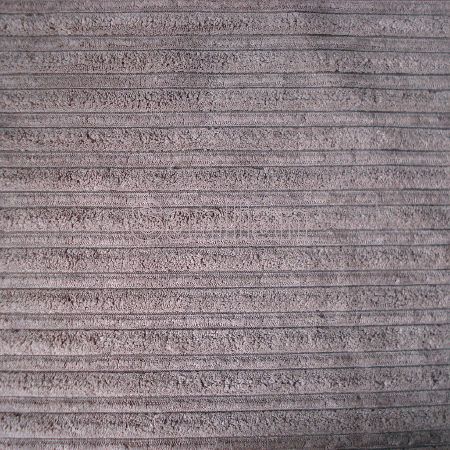
40% Nylon, 60% Polyester Spacious Wale Corduroy$7.13
Wujiang Sanlian Printing and Dyeing Co., Ltd.
🇨🇳 China
2007101-200 peopleManufacturer/Trading CompanyEco-friendly supplier
OEM manufacturer
Shipments
4
Key customer
ENERGYPAC FASHIONS
Key market
Europe
Description
Wujiang Sanlian Printing and Dyeing Co., Ltd. is a large private manufacturer and trading company based in Huzhou, China, specializing in textile dyeing and finishing. Established in 2007, the company integrates weaving, printing, dyeing, and after-finishing services for a wide range of textile fabrics, clothes, and bedding products. With over 101 to 200 employees and fixed assets of RMB 25.4542 million, the company operates a factory covering 136 mu (approximately 90,666 square meters) with a construction area of 45,800 square meters. They possess advanced finishing equipment from South Korea and Taiwan, employing advanced production technology and strict scientific management to achieve an annual production capacity of 520 million meters. Their product portfolio includes taslon series, mo dyer series, memory cloth, spring and spinning series, shammy flocking series, jin cotton, cotton jin cloth, cotton lint satin, color butyl satin, five-beauty satin, tower silk cloth, polyester, avalon, and Cardiff tower fabrics. Wujiang Sanlian Printing and Dyeing Co., Ltd. holds certifications such as OEKO-TEX STANDARD 100, WAL*MART certificate, and European EN471 fluorescence certificate, ensuring their products meet export and environmental standards. Approximately 80% of their products are exported to international markets, including Europe, America, South America, and Middle Asia.
Shammy Flocking
Spinning


