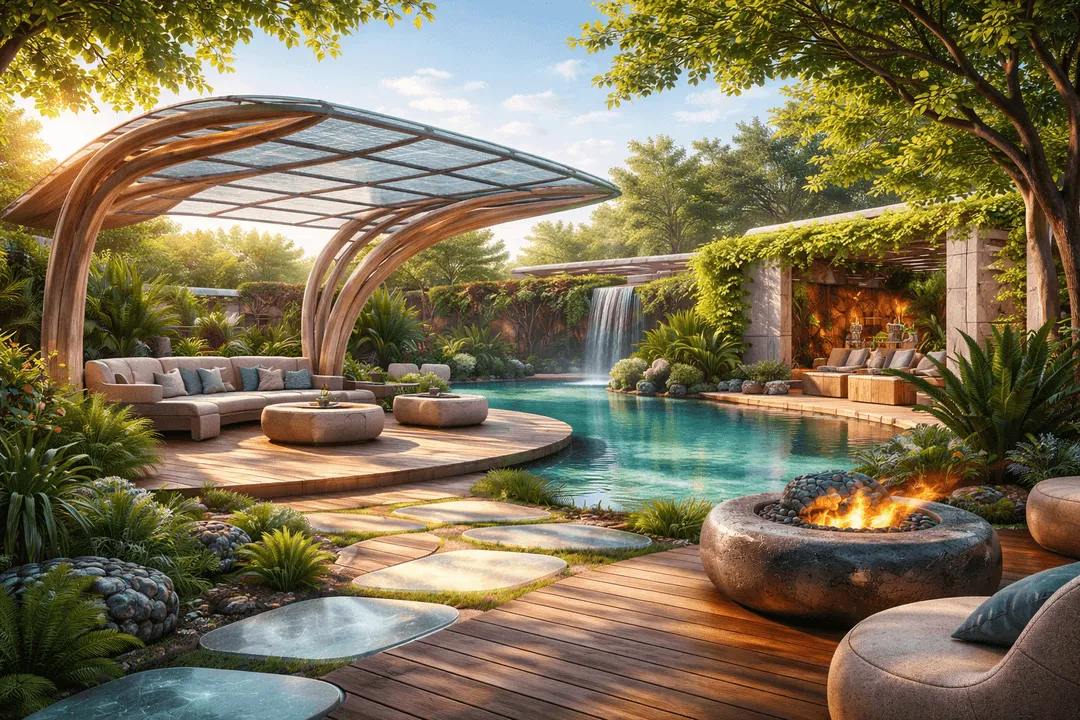
Backyard infrastructure in 2026 is shifting toward engineered, low-maintenance materials such as composites, porcelain, and reinforced concrete, alongside growing demand for sustainable and modular systems. For sourcing teams, the priority is no longer cost alone, but material performance and supplier capability. SourceReady helps you identify and validate manufacturers already producing these materials, using real production data and supplier insights to accelerate product development and reduce sourcing risk.
Here's the report on Permeable Pavers for Backyard Landscaping and Drainage!

There's a better way to source ❤️
Watch the video to see how SourceReady helps brands move from product ideas to trusted supplier relationships faster
Watch the VideoBackyard infrastructure sits within the broader outdoor living and landscaping industry, which has expanded steadily over the past decade. Outdoor spaces are increasingly designed as extensions of the home, incorporating structural elements such as pergolas, decking systems, fencing, and outdoor kitchens.
One of the fastest-growing segments within this category is outdoor living structures—including pergolas, gazebos, pavilions, and shade systems. According to market estimates, the global outdoor living structure market was valued at approximately USD 2.32 billion in 2024 and is projected to reach USD 3.35 billion by 2030, growing at a compound annual growth rate (CAGR) of 6.2% from 2025 to 2030.
Several factors are driving this growth.
Expansion of Outdoor Living
Homeowners increasingly treat their backyard as an extension of indoor living space. Outdoor dining areas, lounge spaces, and entertainment zones are becoming standard features in residential design.
Home Renovation Investment
Outdoor infrastructure projects—such as decks, patios, and pergolas—continue to rank among the most popular home improvement upgrades because they improve both lifestyle value and property value.
Demand for Low-Maintenance Materials
Traditional wood structures require regular maintenance, including sealing, staining, and repairs. Consumers are shifting toward engineered materials such as composites, porcelain pavers, and aluminum structures that provide durability with minimal upkeep.
Sustainability and Water Management
Environmental considerations are also influencing product development. Materials that support water drainage, incorporate recycled content, or reduce environmental impact are becoming increasingly attractive to both homeowners and developers.
For sourcing teams, this market growth means the backyard infrastructure category is evolving beyond basic landscaping. It is becoming a material-driven product segment where durability, sustainability, and design flexibility determine competitive advantage.
What Are the Trends for 2026?
Several key trends are shaping backyard infrastructure materials heading into 2026.
1. Eco-Friendly & Sustainable Infrastructure
Environmental sustainability is becoming a central consideration in backyard construction.
Permeable Pavers
Permeable paving systems allow water to pass through the surface and filter into the ground below.
This approach helps reduce:
- stormwater runoff
- urban flooding
- pressure on drainage systems
Permeable pavers are widely used for:
- driveways
- patios
- garden walkways
They also align with growing municipal regulations around water management and environmental impact.
Rain Gardens and Water Management
Rain gardens are another eco-focused solution gaining popularity. These landscaped areas collect and filter rainwater naturally, reducing runoff while supporting native plants.
In addition, smart irrigation systems are becoming more common. Automated irrigation systems can adjust watering schedules based on weather conditions, helping homeowners conserve water.
For sourcing teams, these trends increase demand for materials such as:
- permeable paving grids
- drainage layers
- landscaping filtration materials
2. Modern, Minimalist Hardscaping
Contemporary landscape design favors clean lines, simple forms, and neutral color palettes.
Minimalist hardscaping often includes:
- smooth concrete surfaces
- large stone slabs
- dark stone basins for water features
These materials create a modern aesthetic while maintaining strong structural performance.
Popular materials include:
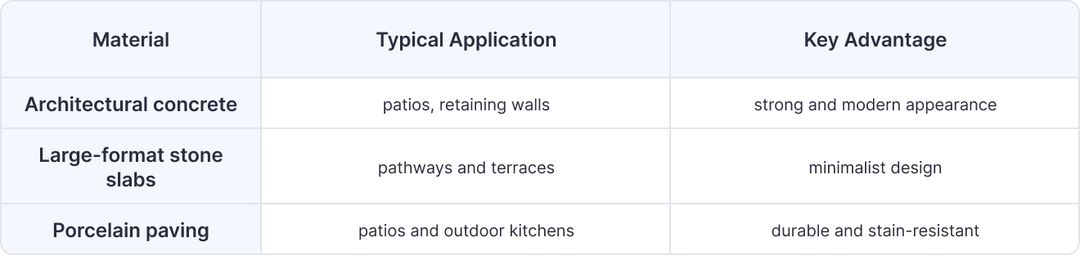
Minimalist design trends also encourage open outdoor spaces with fewer visual elements, which increases demand for high-quality hardscaping materials.
3. Culinary & Social Hubs
Outdoor kitchens are rapidly becoming a standard feature in backyard design.
Instead of simple barbecue grills, modern outdoor kitchens may include:
- pizza ovens
- built-in grills
- beverage refrigerators
- full bar setups
This trend expands the types of materials required for backyard infrastructure.
Outdoor kitchen materials must withstand:
- heat exposure
- moisture
- weather conditions
Common materials include:
- stainless steel cabinets
- porcelain countertops
- stone veneer surfaces
From a sourcing perspective, outdoor kitchens combine appliance manufacturing with durable construction materials, creating opportunities for specialized suppliers.
4. Integrated Technology & Comfort
Technology is playing a growing role in backyard design.
Modern outdoor spaces increasingly include integrated systems that improve comfort and usability.
Examples include:
- smart outdoor lighting systems
- Wi-Fi enabled speakers
- app-controlled heating elements
LED lighting is particularly common in:
- pathways
- deck railings
- pergola structures
These systems allow homeowners to use outdoor spaces comfortably throughout the evening.
Technology integration also increases demand for materials that support embedded wiring, weatherproof electronics, and modular installation systems.
5. Naturalistic & Biophilic Design
Despite advances in engineered materials, homeowners still want outdoor spaces that feel connected to nature.
Biophilic design emphasizes materials that create natural, calming environments.
Common materials include:
- natural stone
- reclaimed wood
- gravel pathways
These materials provide texture and visual variation while maintaining a natural aesthetic.
Designers often combine natural materials with engineered products to balance appearance and durability.
For example:
- composite decking with wood-grain textures
- stone-look porcelain pavers
- engineered timber alternatives
6. Active Lifestyle Zones
Another emerging trend is the creation of dedicated outdoor activity areas.
These spaces support recreation and fitness within the backyard.
Examples include:
- pickleball courts
- artificial turf putting greens
- modular sports courts
These installations require specialized materials such as:
- shock-absorbing surfaces
- synthetic turf systems
- modular court tiles
As recreational backyards become more popular, demand for these materials is expected to increase.
7. Privacy & Vertical Design
Privacy is becoming an important element in backyard design, particularly in dense residential areas.
Vertical landscaping solutions are widely used to create secluded outdoor environments.
Common solutions include:
- vertical gardens
- green walls
- bamboo fencing
- wood or composite privacy panels
These structures allow homeowners to create private outdoor spaces without occupying large ground areas.
Vertical design also adds visual depth and greenery to compact backyards.
How Should These Trends Change Your 2026 Sourcing Strategy?
Understanding trends is valuable, but sourcing teams must translate them into actionable strategies.
Several adjustments can help brands stay competitive.
1. Focus on Material Durability
Outdoor products must withstand constant exposure to weather conditions.
Key durability considerations include:
- UV resistance
- moisture protection
- temperature tolerance
Suppliers should conduct testing to ensure materials maintain performance over time.
2. Evaluate Sustainability Credentials
As eco-friendly materials become more common, verifying sustainability claims becomes essential.
Buyers should request documentation related to:
- recycled content
- material sourcing
- environmental certifications
This helps avoid compliance risks and protects brand reputation.
3. Assess Manufacturing Capabilities
Many modern backyard products require specialized manufacturing processes such as:
- composite extrusion
- precision metal fabrication
- reinforced concrete casting
Suppliers with advanced production capabilities often deliver better consistency and reliability.
4. Consider Modular Product Systems
Backyard infrastructure products increasingly rely on modular construction systems.
These systems allow for:
- easier installation
- flexible product configurations
- efficient shipping and logistics
Brands that design modular product ecosystems can expand product offerings more easily.
How SourceReady Supports Product Research for 2026 Trends
Finding suppliers capable of producing advanced backyard materials can be time-consuming.
Many sourcing teams still rely on manual research or trade shows to identify manufacturers.
SourceReady helps simplify this process by providing access to supplier intelligence across categories such as:
- composite decking
- outdoor furniture
- pergolas and shade systems
- landscaping materials
With supplier data, sourcing teams can quickly:
- identify manufacturers specializing in specific materials
- review production capabilities
- analyze export histories
- evaluate supplier experience
This allows teams to build qualified supplier shortlists faster and with greater confidence.
Conclusion
Backyard infrastructure in 2026 is no longer about basic materials—it’s about performance-driven selection. Composites, porcelain, reinforced concrete, and recycled inputs are replacing traditional options because they last longer, require less maintenance, and meet rising environmental expectations.
For sourcing teams, the shift is practical: stop sourcing materials, start sourcing performance. That means verifying durability, understanding upstream inputs, and working with manufacturers that can consistently deliver engineered products—not just components.
At the same time, modular systems and integrated tech are raising the bar on product design.
If your materials strategy doesn’t evolve, your product won’t compete.Start by identifying suppliers already building with these materials—and validate them with real production and export data before you commit.
FAQ
1. Are sustainable materials more expensive to source?
Not always. While some eco-friendly materials may have higher upfront costs, they often provide lower lifecycle costs due to reduced maintenance and longer durability. Recycled materials can also reduce input costs depending on supply conditions.
2. What certifications are important for outdoor building materials?
Common certifications and tests include:
ASTM standards (structural performance)
UV weathering tests
Slip resistance ratings
Fire resistance standards
These ensure compliance with safety and building regulations.

Find the sourcing tools you need.
Explore how SourceReady helps you research products, discover suppliers, verify factory information, analyze trade data, and manage your sourcing workflow in one place
Explore Features
Graduating from USC with a background in business and marketing, Judy Chen has spent over a decade working in e-commerce, specializing in sourcing and supplier management. Her experience includes developing strategies to optimize supplier relationships and streamline procurement processes for growing businesses. As SourceReady’s blog writer, Judy leverages her deep understanding of sourcing challenges to create insightful content that helps readers navigate the complexities of global supply chains.