
Finding a popular product and developing a competitive alternative is a common sourcing strategy. Retailers and brands regularly study existing products to understand customer preferences, identify market gaps, and improve their own offerings.
But there is a difference between learning from a successful product and copying its protected design. A similar function, material, or price point does not automatically create an intellectual property (IP) problem. However, reproducing distinctive features, branding, or patented technology can expose your business to legal disputes, product takedowns, and costly inventory losses.
This guide explains how to source lookalike products while protecting your business from avoidable IP risks.
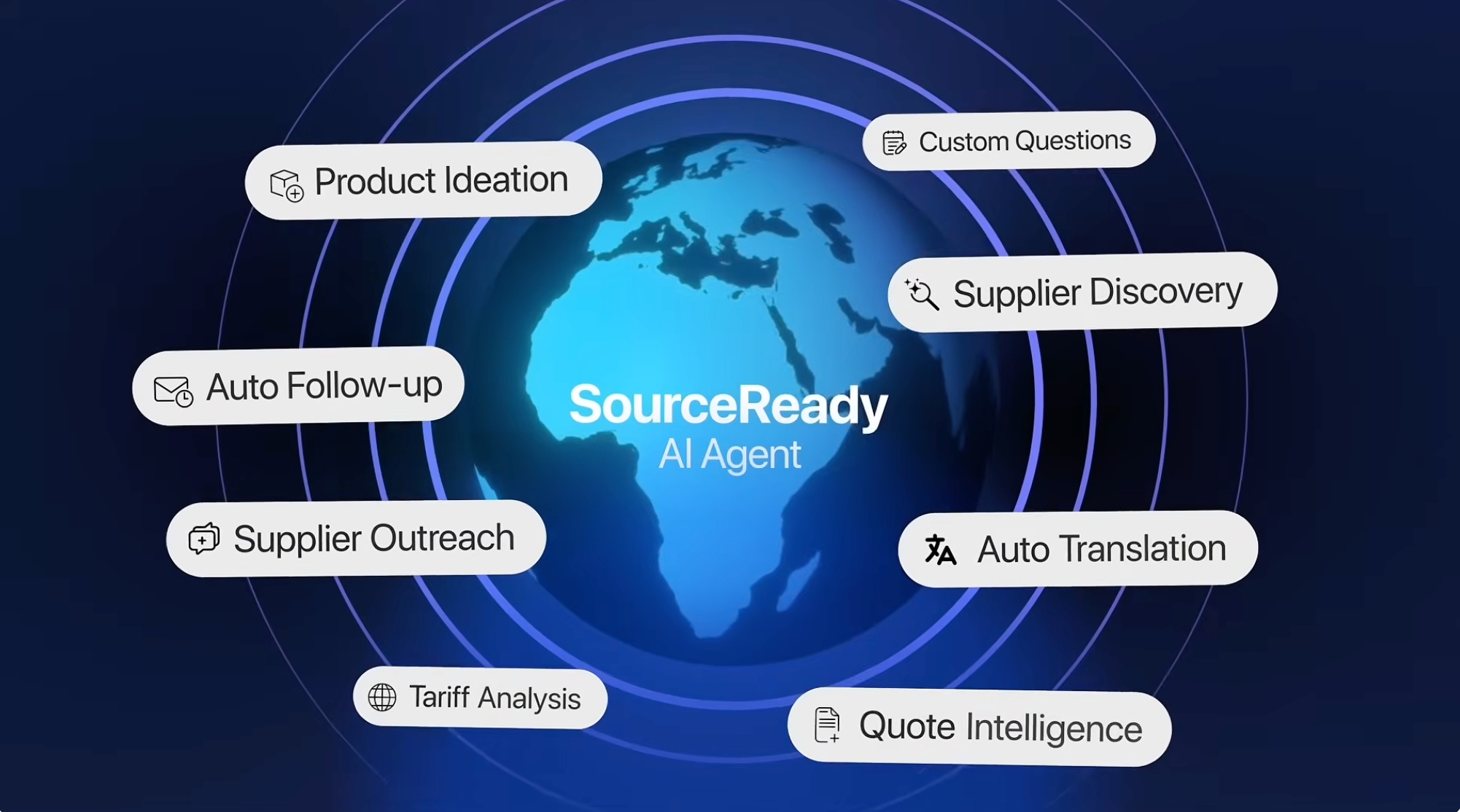
There's a better way to source ❤️
Watch the video to see how SourceReady helps brands move from product ideas to trusted supplier relationships faster
Watch the VideoWhat Makes a Lookalike Product an IP Risk?
A lookalike product shares characteristics with an existing product, such as its appearance, functionality, or intended use. Similarity alone does not establish infringement. The legal question is whether your product uses something protected by another company's intellectual property rights.
Understand the different types of IP protection
Before approaching manufacturers, identify which elements of the reference product may be protected.

For example, you can develop an insulated water bottle that serves the same purpose as a popular branded bottle. However, copying its protected ornamental design, branding, or patented lid mechanism may create infringement risk.
Keep these principles in mind:
Function versus appearance: A product's functional purpose is different from its potentially protected visual design.
Overall impression: Changing the logo or color does not automatically eliminate trademark, trade dress, or design infringement concerns.
Market differences: IP protection varies by jurisdiction, so assess rights in the countries where you manufacture, import, and sell.
There is no universal rule that changing a design by a certain percentage makes it legal.
How Can You Develop an Original Product From an Existing Design?
The safest starting point is to treat competitor products as market research, not manufacturing instructions.
Your objective should be to deliver comparable customer benefits through your own product specifications and design choices.
Build a functional product brief
Instead of sending a factory a competitor's photograph and asking for an identical product, explain what customers need and let manufacturers propose appropriate solutions.
For example, when developing an alternative insulated water bottle, your brief could specify:
- Core function: Maintain beverage temperature for a defined period under stated test conditions.
- Material requirements: Use food-contact-compliant stainless steel and suitable lid materials.
- Capacity and dimensions: Offer a 750 ml version with dimensions suited to your target customers.
- Original design: Develop a distinct silhouette, lid configuration, surface treatment, and branding.
- Performance standards: Meet documented leak-resistance, durability, and applicable safety requirements.
This approach gives manufacturers clear engineering requirements without instructing them to reproduce a competitor's protected features.
Design for differentiation
A lookalike product should have a reason to exist beyond being a cheaper version of something already available.
Consider opportunities to improve usability, materials, construction, or packaging.
- Customer feedback: Analyze product reviews to identify recurring complaints and unmet needs.
- Design alternatives: Explore different proportions, component arrangements, finishes, and visual details.
- Independent development: Request original drawings and retain documentation showing how the design evolved.
- Brand identity: Create your own packaging, product photography, naming, and visual presentation.
Independent design work does not automatically prevent infringement. Even independently developed products can conflict with existing patent or trademark rights.
How Should You Evaluate Manufacturers Offering Similar Products?
Finding a factory capable of producing a similar item is relatively straightforward. Confirming that it has the necessary rights, capabilities, and documentation requires more investigation.
A manufacturer may offer products resembling established brands without owning the underlying design or tooling.
Verify the factory's design and manufacturing rights
Before requesting samples, ask suppliers how the product was developed and whether any third-party intellectual property is involved.
Your supplier due diligence should cover:
- Design ownership: Determine who created the product design and whether the factory has permission to manufacture and supply it.
- Tooling ownership: Verify who owns existing molds and whether contractual restrictions limit their use.
- Licensing arrangements: Request supporting documents when the supplier claims authorization to produce a protected design.
- Product history: Review previous production experience without assuming that supplying a major brand grants resale rights.
- Contract protection: Include appropriate IP warranties, disclosure obligations, indemnification provisions, and remedies.
A supplier saying, "We already manufacture this for another famous brand," is not sufficient evidence of authorization.
Compare samples against your specifications
Evaluate manufacturer proposals against your own approved design rather than only against the reference product.
- Visual differences: Review shapes, proportions, decorative details, and overall presentation.
- Technical requirements: Test functionality, materials, construction, and relevant product safety standards.
- Documentation: Keep approved drawings, sample photographs, specifications, and revision histories.
If a supplier proposes an exact replica, ask for a redesigned alternative or exclude that option.
How Can You Check IP Risks Before Placing an Order?
Supplier assurances are useful, but they do not replace independent IP clearance.
Conduct preliminary searches before committing to expensive tooling, minimum order quantities, or commercial production.
Search relevant IP databases
Start with the countries where your product will be manufactured and sold.
Useful resources include:
- Trademark searches: Check national trademark registers, such as the USPTO database, for potentially conflicting brands and identifiers.
- Patent searches: Use USPTO Patent Public Search to investigate relevant U.S. design and utility patents.
- Industrial design searches: Review WIPO's Global Design Database and relevant national or regional registers.
- Market research: Examine competitor packaging, product listings, and documented design histories for additional warning signs.
Database searches are only a starting point. Unregistered rights, unpublished applications, incomplete database coverage, and differences in national laws can complicate clearance.
Establish a launch approval process
Before issuing the purchase order, document the following:
- IP screening: Record relevant search results, jurisdictions, dates, and identified rights.
- Design review: Compare the final product with potentially conflicting products and document material differences.
- Legal assessment: Engage qualified IP counsel for products with meaningful similarity or unresolved infringement concerns.
- Production approval: Release tooling and production only after identified risks have been addressed.
How Can You Make Lookalike Product Sourcing More Efficient and Defensible?
Sourcing competitive products starts with understanding market demand, not simply finding factories that offer replicas. By analyzing emerging trends, turning product inspiration into differentiated designs, and identifying capable manufacturers, you can develop products that meet customer needs without directly copying competitors. Throughout the process, IP checks help ensure your designs are suitable for commercial production.
Where SourceReady fits into the process
SourceReady helps sourcing teams move from product research and inspiration to original product development and supplier discovery. By combining market trend data, AI-powered design tools, and supplier intelligence, you can identify opportunities, develop differentiated products, and find manufacturers capable of producing them.
You can use SourceReady to:
- Identify emerging product trends: Analyze market signals from Amazon, Google, and TikTok to discover trending products, customer preferences, and emerging opportunities. Build structured product lists with specifications, pricing, and reviews to guide development decisions.
- Turn inspiration into original designs: Use AI to explore alternative product designs, generate visual variations, and create preliminary bills of materials (BOMs). Develop products that meet similar customer needs while establishing their own distinct features and appearance.
- Discover suitable manufacturers: Search suppliers by product category, materials, manufacturing capabilities, and location instead of relying solely on factories offering competitor replicas.
- Research supplier backgrounds: Review available company profiles, trade records, and business information to assess manufacturing experience and identify potential partners.
- Compare and shortlist suppliers: Evaluate manufacturers against your product specifications, production requirements, and sourcing criteria before requesting samples and quotations.
By connecting market research, product development, and supplier discovery, SourceReady helps you create competitive alternatives without making direct replication your starting point.
Conclusion
Sourcing lookalike products does not have to mean copying someone else's work. The strongest sourcing strategies focus on understanding why customers buy a product and developing an alternative that delivers similar or better value through an independently developed design.
Define functional requirements, research protected features, verify supplier rights, and retain evidence of your decisions. These steps help reduce infringement exposure while supporting more consistent product development.
If you are looking for manufacturers capable of producing your next product, explore SourceReady to discover and compare suppliers based on your requirements. Build a stronger supplier shortlist before moving into sampling and production.
FAQ
1. What is the difference between a lookalike product and a counterfeit product?
A lookalike product resembles an existing product but is sold under its own identity. A counterfeit typically involves unauthorized use of a trademark to make buyers believe the product comes from the original brand. However, a lookalike can still infringe design patents, trade dress, or other intellectual property rights even without counterfeit branding.
2. Can you manufacture a product after its patent expires?
Generally, an expired patent no longer provides enforceable protection for the invention it covered. However, related improvements may have separate active patents, and trademarks, copyrights, or other rights may still apply. Patent expiration should therefore trigger further checks rather than automatic production approval.

Find the sourcing tools you need.
Explore how SourceReady helps you research products, discover suppliers, verify factory information, analyze trade data, and manage your sourcing workflow in one place
Explore Features
Graduating from USC with a background in business and marketing, Judy Chen has spent over a decade working in e-commerce, specializing in sourcing and supplier management. Her experience includes developing strategies to optimize supplier relationships and streamline procurement processes for growing businesses. As SourceReady’s blog writer, Judy leverages her deep understanding of sourcing challenges to create insightful content that helps readers navigate the complexities of global supply chains.