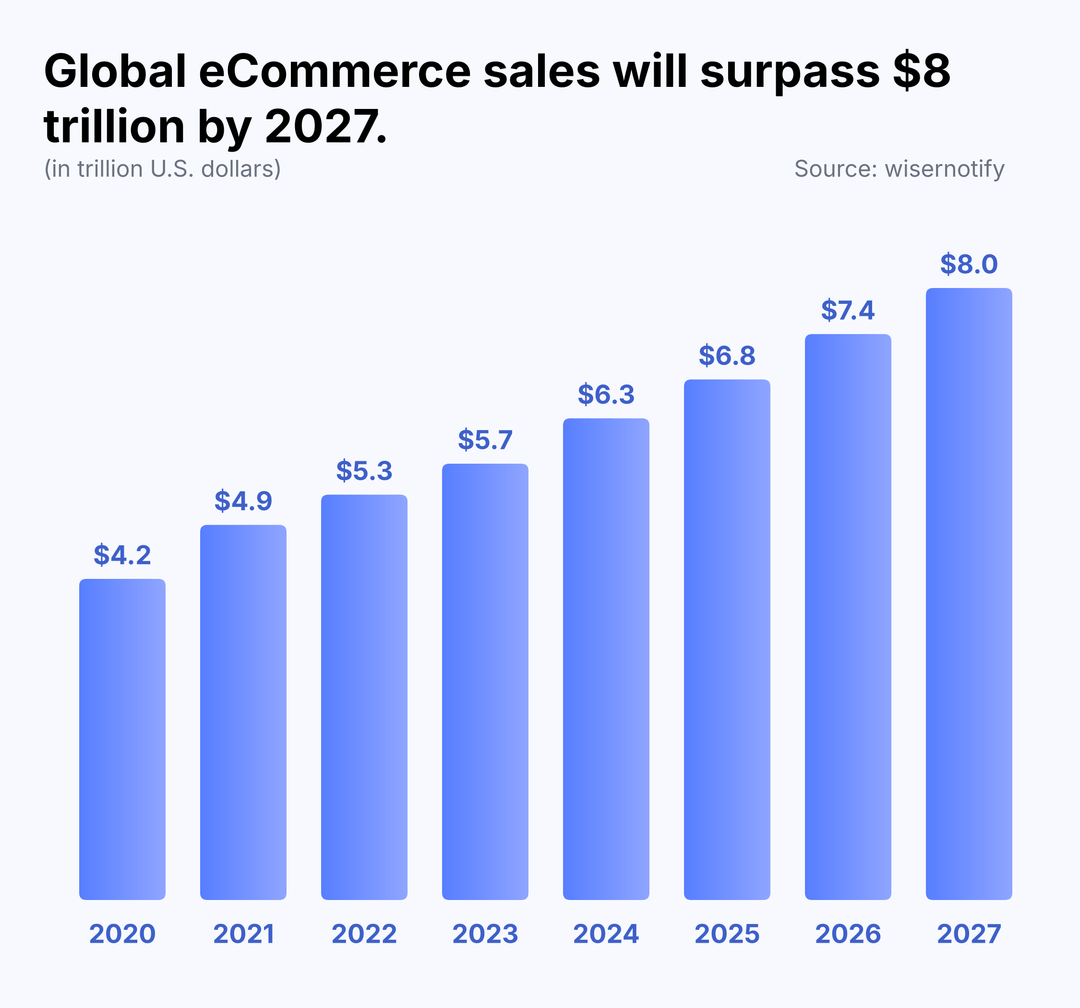
E-commerce keeps accelerating. The global market is projected to exceed $8 trillion by 2027, with millions of new sellers entering Amazon, Shopify, and DTC channels each year. In this environment, your biggest threat isn’t marketing cost or platform fees—it’s sourcing mistakes. A weak supplier can derail cash flow, delay launches, trigger Amazon compliance flags, or sink margins before a unit even ships.
This guide focuses on the single most leverage-rich stage of sourcing: supplier discovery. The tools you choose in this stage determine how much time you waste, how much risk you absorb, and how much control you have over your supply chain. You’ll get a structured breakdown of the leading tools operators actually rely on—what they do well, what they don’t, and where AI-era platforms like SourceReady, Accio, and ChatGPT fit into a modern, audit-ready sourcing workflow.
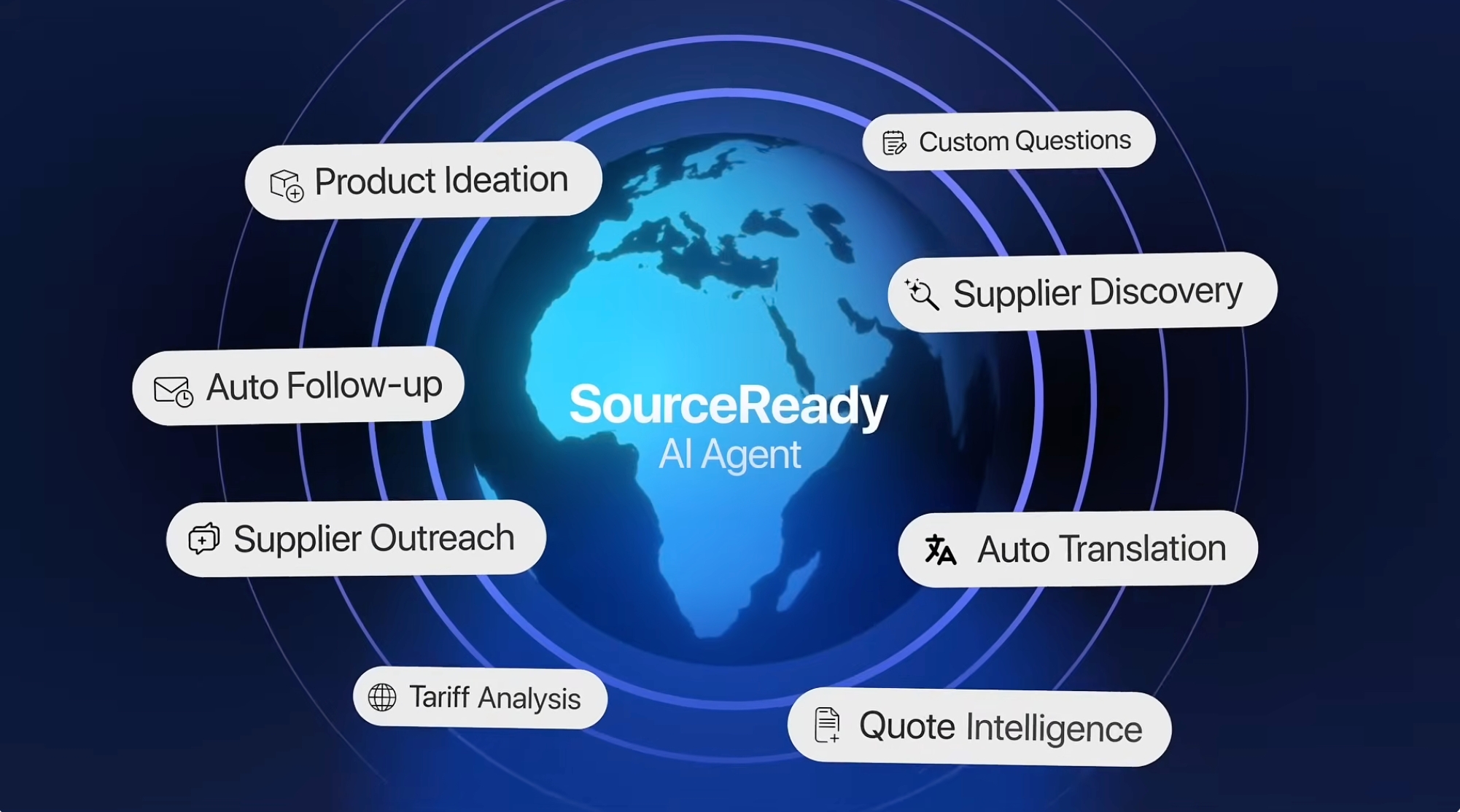
There's a better way to source ❤️
Watch the video to see how SourceReady helps brands move from product ideas to trusted supplier relationships faster
Watch the VideoTop Supplier Discovery Tools
Supplier discovery is no longer about browsing marketplaces until you find something “good enough.” Modern sourcing demands structured search, fast filtering, and clear signals about which suppliers deserve your attention. Below are the updated, sourcing-accurate summaries of each tool.
1. Alibaba
Alibaba remains the largest open directory for initial supplier scanning. It helps you map the market quickly, compare broad price/MOQ ranges, and identify early candidates. It’s not built for verification, but it is useful for surfacing a wide range of suppliers fast.
Strengths
- Large supplier pool for broad category discovery
- Useful for comparing baseline pricing and MOQs
- Fast messaging for quick first-round qualification
- Good starting point for building an initial longlist
Weaknesses
- High presence of trading companies
- Supplier profiles often lack verifiable details
- Certificates can be outdated or mismatched
- Requires heavy external validation

2. GlobalSources
GlobalSources offers a more curated set of suppliers, especially in electronics, hardware, and technical categories. It’s helpful when you need suppliers with consistent manufacturing capabilities rather than general product traders.
Strengths
- Strong for OEM/ODM discovery
- Better categorization for technical product sourcing
- More relevant listings for regulated categories
Weaknesses
- Smaller dataset than Alibaba
- Still mixed with intermediaries
- Requires verification to confirm identity
3. ImportYeti / Panjiva
Import databases verify whether a supplier is actually exporting. They’re not discovery-first tools, but they are essential for validating your shortlist before engagement.
Strengths
- Confirms real export history
- Reveals buyer lists to validate capability
- Shows shipping frequency for consistency checks
- Helps eliminate suppliers with no track record
Weaknesses
- Not ideal for finding new suppliers
- Factories may ship via third-party trading entities
- Does not indicate factory quality
- Requires interpretation to avoid false negatives
4. Accio
Accio functions like an AI version of Alibaba—it helps you discover products and suppliers by analyzing images, URLs, or product descriptions instead of manually browsing listings. It reverse-matches competitor products, identifies visually or structurally similar items, and points you toward the suppliers behind them. It’s fast, intuitive, and ideal when you want to shortcut early-stage supplier discovery without paging through endless marketplace results.
Strengths
- Find suppliers/products using image or URL search
- Great for competitive teardown sourcing
- Quickly surfaces lookalike products across marketplaces
- Reduces manual browsing for product-based discovery
Weaknesses
- Dependent on marketplace listing quality
- Does not validate supplier identity
- Needs external tools for compliance and verification
- Best used for product matching, not final shortlisting
5. ChatGPT
ChatGPT strengthens the supplier discovery workflow by helping you refine search criteria, create structured RFQs, and analyze supplier listings/messages. It improves clarity and consistency before you reach out.
Strengths
- Turns product ideas into search-ready sourcing criteria
- Summarizes supplier profiles for faster filtering
- Translates technical requirements into searchable attributes
- Helps generate consistent comparison rubrics
Weaknesses
- Cannot independently verify suppliers
- Outputs depend entirely on your inputs
- Must be paired with real data sources
- Works best as a workflow aid, not a discovery engine
6. SourceReady
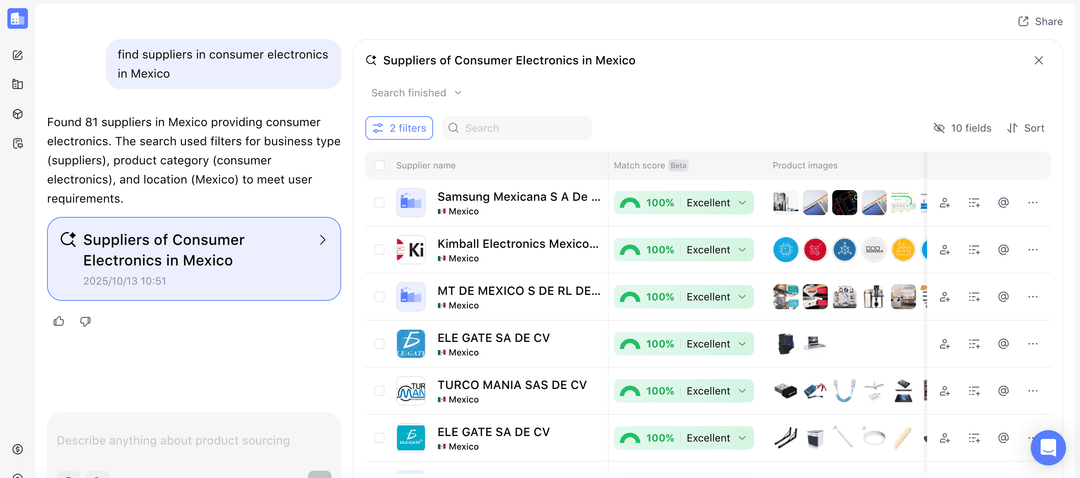
SourceReady is designed to give you a clean, reliable supplier list by analyzing structured data across multiple independent sources. Instead of relying solely on marketplace profiles, SourceReady pulls supplier data from global customs records, trade show exhibitors, and international business directories. Its AI cross-checks this information to verify identity, confirm operational legitimacy, and ensure the supplier’s product lines match what they claim. You simply enter your product requirements, and the system generates a curated list of globally relevant suppliers—not just factories in China—with comprehensive, audit-friendly profiles.
Strengths
- Converts requirements into a curated supplier list
- Provides comprehensive profiles (identity, certifications, product lines, key export market, key customers)
- Highlights suppliers that match your exact category + constraints
- Reduces time wasted on suppliers who don’t meet your needs
- Pulls information from customs databases, trade show listings, and global directories
- Covers global suppliers beyond China, including Southeast Asia, India, U.S., and Europe
Weaknesses
- Requires clear product inputs for best results
- Not a transaction or messaging platform
- Works as a discovery + verification layer, not a marketplace
- Should be paired with sampling/QC for final evaluation
How Product Sourcing & Supplier Discovery Are Different in the AI Era
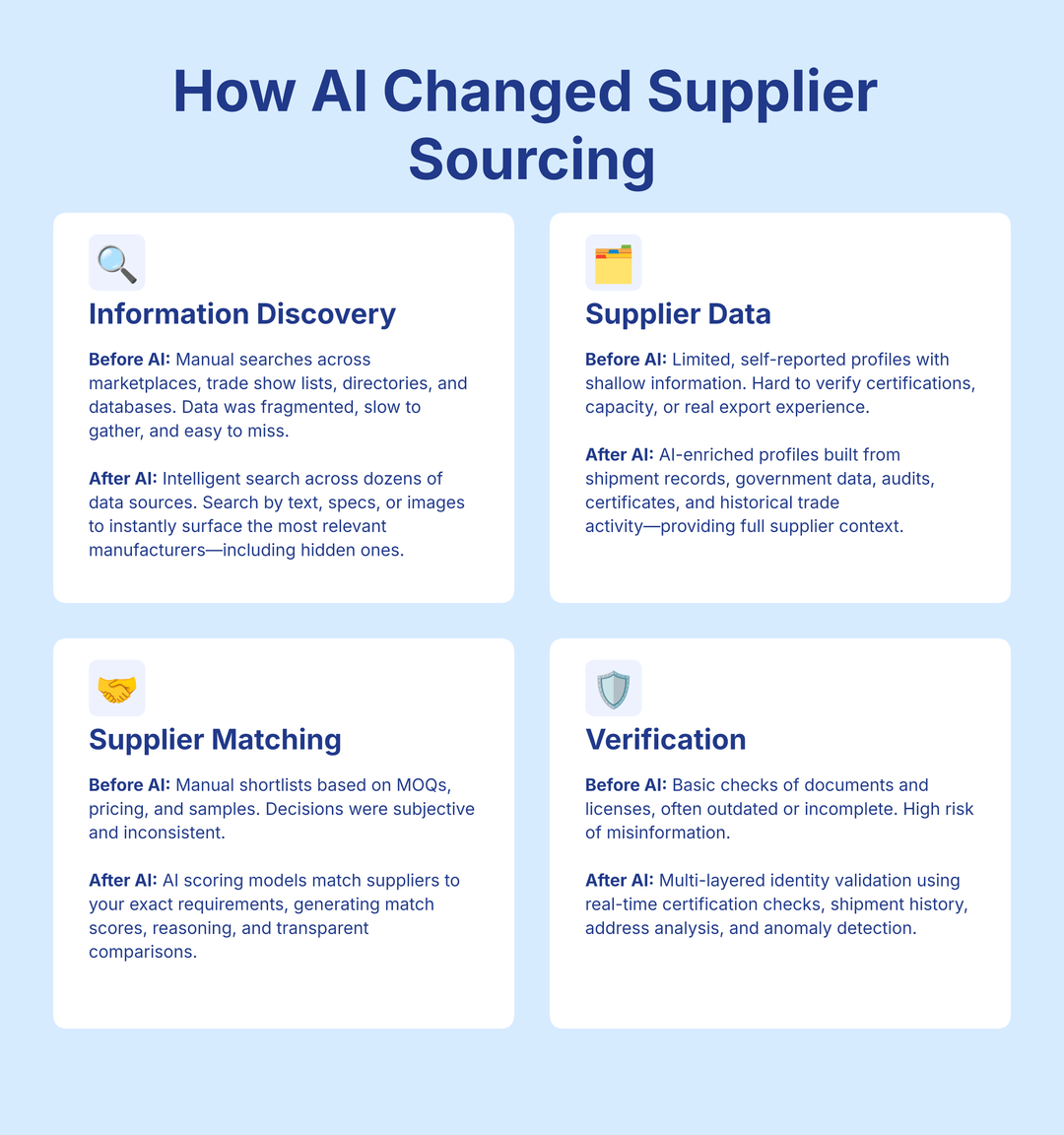
The fundamentals of sourcing haven’t changed—businesses still need reliable suppliers, competitive pricing, and consistent quality. What has changed is the speed, accuracy, and confidence with which teams can achieve those goals. Below is a clear, practical comparison of how sourcing worked before AI and how it looks after AI.
1. Information Discovery: Manual Search → Intelligent Search
Before AI
Finding suppliers required time-consuming manual work:
- Browsing marketplaces like Alibaba or Made-in-China
- Looking through trade show catalogues
- Searching government import/export databases
- Checking directory websites one by one
- Asking agents for recommendations
- Information was fragmented across the internet, inconsistent, or incomplete.
- You could spend hours researching and still miss the best manufacturer.
After AI
AI consolidates data from dozens of sources and understands what you are searching for—even when your query is vague or just an image.
Now you can:
- Search by product description, spec sheet, or photo
- Automatically surface manufacturers that match your exact criteria
- Identify real manufacturers vs. intermediaries
- Discover hidden suppliers not listed on marketplaces
- Detect alternative company names and related entities
- Discovery becomes instant and far more accurate.
2. Supplier Data: Limited Visibility → Full Context
Before AI
Due diligence relied on:
- Self-reported information
- Marketplace pages
- Manually uploaded certificates
- A few customer reviews
Most profiles lacked depth. You often couldn’t tell:
- Whether certifications were authentic
- What the supplier actually produced
- How much export experience they had
- Their true capacity or pricing position
After AI
AI pulls and verifies data from multiple online and offline sources:
- Shipment records
- Government registries
- Audit reports
- Certificates and verification APIs
- Historical import/export activity
- Product catalogue patterns
- Online presence and past behaviour
This turns supplier profiles into multidimensional views—much closer to how large enterprises perform due diligence.
3. Supplier Matching: Random Shortlists → AI Scoring Models
Before AI
Most sourcing teams created shortlists manually:
- Compare MOQs
- Check certifications
- Ask for pricing
- Look at sample quality
- Choose whichever seemed ‘good enough’
- Human bias and limited visibility often influenced decisions.
After AI
AI generates a supplier scoring model based on your requirements:
- Quality expectations
- Target price range
- MOQ tolerance
- Material requirements
- Lead time flexibility
- Certifications needed
- Region preferences
Each supplier receives:
- A match score
- A reason summary
- Detailed matching breakdown
- The selection process becomes objective, consistent, and transparent.
4. Verification: Basic Checks → Deep Identity Validation
Before AI
Verification was slow and incomplete:
- Manually checking certificates
- Looking at business licenses
- Paying for audits
- Hoping samples were accurate
- It was easy to be misled by outdated information.
After AI
- AI performs multi-layered verification:
- Cross-checks business registrations
- Identifies duplicate or suspicious addresses
- Detects shell companies
- Validates certifications in real time
- Reviews years of shipment history
- Flags abnormal patterns
This dramatically reduces fraud risk and ensures suppliers are who they claim to be.
Conclusion
Supplier discovery is no longer about scrolling through marketplaces or relying on guesswork. In today’s e-commerce landscape, the brands that win are the ones that source with structure—clear requirements, verified data, and a disciplined approach to shortlisting. AI has reshaped this stage by removing noise, centralizing supplier information, and surfacing relevant manufacturers before you ever reach out. That means fewer mistakes, faster cycles, and tighter control over compliance and margins.
Traditional discovery tools still have their place, but they work best when paired with modern verification and data-driven filtering. Platforms like SourceReady help you start from a stronger position by turning your requirements into a curated, globally sourced supplier list with comprehensive profiles you can trust.
In a market this competitive, certainty is an advantage. Build a sourcing workflow that favors clarity over volume, and you’ll scale with far fewer surprises.
FAQ
1. How is supplier discovery different from supplier verification?
Supplier discovery focuses on finding potential suppliers. Supplier verification focuses on confirming whether those suppliers are legitimate, capable, and compliant. In practice, the two often overlap, but discovery comes first.
2. What information should I prepare before starting supplier discovery?
You should define product specifications, materials, target price range, MOQ expectations, compliance requirements, and preferred sourcing regions. Clear inputs lead to better supplier matches.

Find the sourcing tools you need.
Explore how SourceReady helps you research products, discover suppliers, verify factory information, analyze trade data, and manage your sourcing workflow in one place
Explore Features
Graduating from USC with a background in business and marketing, Judy Chen has spent over a decade working in e-commerce, specializing in sourcing and supplier management. Her experience includes developing strategies to optimize supplier relationships and streamline procurement processes for growing businesses. As SourceReady’s blog writer, Judy leverages her deep understanding of sourcing challenges to create insightful content that helps readers navigate the complexities of global supply chains.