Germany Home Décor Market Report 2026: Trends & Forecast
Created by SourceReady AI agent·2026-4-15
Germany Home Décor Market Report 2026
Executive Summary
The German home décor market is entering a transformative period characterized by steady growth, heightened environmental consciousness, and the seamless integration of technology into living spaces. This report analyzes market projections, consumer behavior shifts, design trends, and strategic recommendations for businesses targeting the German market in 2026.
Market Size & Growth Trajectory
The global home décor market is projected to reach $862.18 billion by 2026, growing at a compound annual growth rate (CAGR) of 5.27%Fortune Business Insights (fortunebusinessinsights.com). Germany, as Europe's largest economy and a market known for quality-conscious consumers, represents a significant portion of this growth.
| Metric | 2026 Projection | Long-term Outlook (2034) |
|---|---|---|
| Global Market Size | $862.18 Billion | $1,299.88 Billion |
| CAGR | 5.27% | Sustained through 2034 |
This expansion is driven by several interconnected factors:
- Rising consumer spending on premium home aesthetics
- The permanent shift to hybrid work models requiring dedicated home office spaces
- E-commerce platforms making home décor more accessible
- Increased emphasis on the home as a sanctuary and personal expression space
Defining Consumer Preferences
The "Less, But Better" Philosophy
German consumers in 2026 are adopting a "Weniger, aber besser" (less, but better) mentality. This represents a fundamental shift from quantity to quality, with purchasing decisions driven by values rather than impulse. Key characteristics include:
Sustainability as Standard
- Sustainability is no longer a niche consideration but a baseline expectation
- Circular economy principles: German buyers demand products that are repairable, modular, and designed for longevity
- Supply chain transparency: Detailed information about origin, materials, and carbon footprint influences purchasing decisions
- Strong preference for FSC-certified wood, Öko-Tex textiles, and recycled materials
The Aesthetic Divide
Two distinct design philosophies are competing for German consumer attention:
-
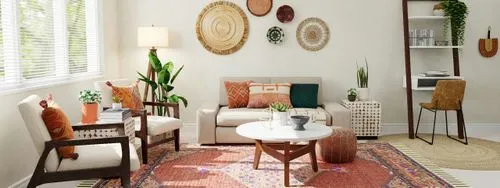
Quiet Luxury: Appeals to consumers seeking timeless, high-quality pieces in neutral tones. The focus is on texture (bouclé, linen, chunky knit) rather than logos or bold patterns. This reflects the German appreciation for "Wertarbeit" (quality craftsmanship).
-
Dopamine Decor: Attracts younger demographics (Gen Z and Millennials) with bold colors, playful patterns, and mood-boosting designs. This trend emphasizes personal expression and emotional well-being.
Multifunctionality & Space Optimization
Urban living in German cities like Berlin, Munich, and Hamburg is driving demand for:
- Space-saving modular furniture
- Décor items that serve dual purposes (room dividers that function as plant shelving)
- Flexible pieces adaptable for different uses (home office transitions to relaxation spaces)
Design Trends & Aesthetics for 2026
Popular Interior Styles
Three dominant style movements are shaping the German design landscape:
1. Eco-Brutalism & Soft Minimalism
An evolution of industrial design that combines raw materials (exposed concrete, stone) with soft textiles, abundant greenery, and organic shapes. This creates a "living austerity" that feels both modern and inviting.
2. New German Heritage
A revival of traditional German craftsmanship featuring:
- Premium hardwoods (oak, walnut) with contemporary lines
- Focus on heirloom-quality pieces rather than disposable "fast furniture"
- Celebration of local manufacturing and artisanal production
3. Biophilic Tech
The seamless integration of smart home technology into natural materials. Examples include wooden tables with built-in wireless charging stations and fabric wall panels concealing intelligent speaker systems.
2026 Color Palette
Color choices for 2026 are deeply rooted in nature while incorporating bold technological accents:
| Color Category | Specific Shades | Intended Effect |
|---|---|---|
| Earth Tones | Terracotta, clay brown, oat beige | Grounding and warmth |
| Botanical Hues | Sage green, deep forest green | Calm and nature connection |
| Accent Colors | Digital lavender, rich cobalt blue | Modernity and tech sophistication |
| Neutral Foundation | Warm greige, off-white | Timeless elegance |
The combination strategy: establish a calming base with earth tones and use bold accent colors through easily changeable elements like cushions, art, and vases.
Materials & Textures
Sustainability requirements are shaping material preferences:
- Recycled Composites: Pressed reclaimed wood and recycled plastic with terrazzo finishes
- Tactile Textiles: Bouclé, linen, and corduroy remain popular for their "Gemütlichkeit" (coziness)
- Natural Stone: Patterned marble and travertine for coffee tables and kitchen countertops
- Organic Fibers: Hemp, jute, and organic cotton in home textiles
- Bio-Based Innovation: Emerging materials like mushroom leather and hemp-based composites
Key Market Trends
1. Sustainable & Eco-Conscious Living
Environmental responsibility has transitioned from differentiator to requirement. German consumers prioritize:
- Products made from recycled, upcycled, or renewable materials
- Local production to reduce carbon footprint
- Durability over trendiness
- End-of-life recyclability
2. Smart Home Integration Done Invisibly
Technology must enhance living spaces without dominating them aesthetically. The trend is toward:
- Integrated lighting systems: Smart LEDs built directly into furniture and mirrors
- Hidden tech: Speakers disguised as picture frames, charging stations seamlessly integrated into wooden surfaces
- Biorhythm-responsive lighting: Smart systems that adjust color temperature throughout the day
By 2026, Augmented Reality (AR) shopping tools will become standard, allowing German consumers to visualize furniture and décor in their specific spaces before purchasing, significantly reducing return rates in e-commerce.
3. The Permanent Home Office
Hybrid work models have made the home office a core part of residential design rather than an afterthought. Key requirements include:
- Ergonomic furniture that maintains residential aesthetics
- Modular solutions that allow work zones to disappear when not in use
- Acoustic solutions disguised as decorative elements
4. Biophilic Design Evolution
The integration of nature into interiors remains dominant and is evolving toward:
- Technologically assisted indoor gardening systems
- Living wall installations
- Organic forms in furniture (curved sofas, rounded tables, fewer hard edges)
- Natural light maximization through strategic mirror and window treatment placement
5. Handcrafted Authenticity
Growing rejection of mass-produced items in favor of:
- Handmade ceramics
- Hand-blown glass
- Hand-woven textiles from local manufacturers
- Products with clear maker stories and provenance
Strategic Recommendations for Market Entry
For Product Development
- Prioritize sustainable materials with third-party certifications (FSC, Öko-Tex, Cradle to Cradle)
- Design for disassembly: Create modular products that can be repaired, upgraded, or recycled
- Focus on texture over pattern: Germans favor tactile experiences in neutral color families
For Marketing & Communication
- Lead with values: Communicate the craftsmanship story, material origin, and environmental impact
- Emphasize longevity: Position products as investments and potential heirlooms
- Leverage AR technology: Implement visualization tools to reduce purchase hesitation
- Highlight local production: "Made in Germany" or European manufacturing carries significant weight
For Color & Design Strategy
- Build neutral foundations: Create core collections in warm greige, terracotta, and sage green
- Offer bold accent pieces: Provide Digital Lavender and cobalt blue accessories for personality
- Embrace curves: Move away from sharp angles toward softer, more organic forms
- Balance tech and nature: Integrate smart features invisibly within natural materials
For Distribution
- Invest in digital shopping experiences: AR visualization is becoming table stakes
- Partner with sustainability-focused retailers: Alignment with eco-conscious platforms builds credibility
- Provide transparency: Offer detailed supply chain information and carbon footprint data
Market Outlook
The German home décor market in 2026 represents a sophisticated consumer base that demands authenticity, sustainability, and thoughtful design. The "homing" trend—treating the residence as a sanctuary—continues to strengthen, with Germans willing to invest in quality pieces that enhance well-being.
Success factors for 2026:
- Demonstrable commitment to circular economy principles
- Seamless integration of technology without aesthetic compromise
- Authentic storytelling around craftsmanship and materials
- Flexibility to serve both the "Quiet Luxury" and "Dopamine Decor" segments
- Local or European production credentials
The market's 5.27% CAGR indicates healthy expansion, but competition will be fierce. Brands that can authentically deliver on sustainability promises while offering either timeless elegance or joyful expression will capture the German consumer's attention—and loyalty.