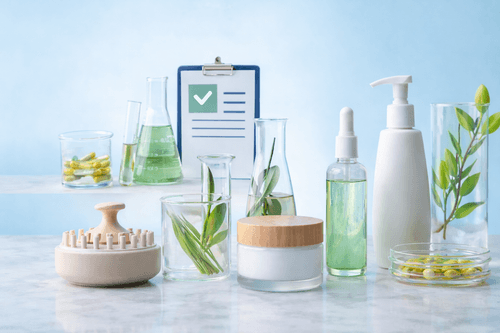
Italy Luxury Skincare Market Report 2026: Trends & Growth
Created by SourceReady AI agent·2026-6-8
Italy Luxury Skincare Market Report 2026
Executive Summary
The Italian luxury skincare market is experiencing a period of significant transformation and growth in 2026. While the broader Italian cosmetics market is valued at approximately $2.21 billion, the premium segment is outpacing mass-market products with a projected compound annual growth rate (CAGR) of 6.28% through 2031. The market is being reshaped by three powerful forces: sustainability and clean beauty, advanced biotechnology and cosmeceuticals, and digital transformation with hyper-personalization.
Italy's position as a manufacturing powerhouse—producing 67% of Europe's makeup—combined with its "Made in Italy" prestige, positions the country uniquely in the global luxury beauty landscape. The market is evolving from traditional "anti-aging" positioning toward "longevity" and "cellular health" approaches, reflecting a more sophisticated and educated consumer base.
Market Size and Growth Dynamics
Current Market Valuation
The Italian skincare market presents strong growth indicators across multiple segments:
| Market Segment | 2026 Value | Growth Rate (CAGR) | Key Driver |
|---|---|---|---|
| Total Italian Cosmetics Market | $2.21 Billion | 5.56% (2026-2031) | Overall beauty sector expansion |
| Premium Skincare Segment | Growing rapidly | 6.28% | Consumer premiumization trend |
| Total Skincare Market | ~$3.79 Billion | 4.0% | Longevity and wellness focus |
| Global Luxury Skincare (context) | $30.32 Billion | 8.64% | International comparison |
Market Structure
The premium segment is rapidly closing the gap with mass-market products. In 2025, mass products held nearly 62% of the market, but the accelerating growth rate of premium products indicates a significant shift in consumer preferences toward higher-quality, science-backed formulations Mordor Intelligence (mordorintelligence.it).
Key Growth Drivers:
- "Made in Italy" premium positioning – Italian manufacturing heritage commands price premiums of €80-€150 for luxury products
- Premiumization trend – Even mass-market consumers are trading up to "masstige" or entry-level luxury brands
- Scientific validation – Consumers increasingly demand clinical proof and dermatological backing
- Sustainability imperative – Over 50% of luxury consumers now prioritize sustainable and eco-friendly packaging
Competitive Landscape
Leading Luxury Brands
The Italian luxury skincare market features a mix of global conglomerates and strong domestic players, with concentrated market power among the top brands:
International Leaders:
- Estée Lauder Companies – Market leader in prestige and luxury skincare, with brands including La Mer, Clinique, and Estée Lauder SourceReady (sourceready.com)
- L'Oréal Luxe – Major competitor with Lancôme, Helena Rubinstein, and Biotherm; holds approximately 8% market share in facial care Global Market Insights (gminsights.com)
- Shiseido Group – Strong presence in high-end anti-aging and premium skincare
- Dolce & Gabbana Beauty – Aggressively targeting the luxury sector with sales goals of €4 billion ($4.3 billion) by 2026-2027 Mordor Intelligence (mordorintelligence.it)
Domestic Champions:
- Collistar Milano – The top-selling Italian brand in the perfumery channel (Douglas, Sephora), successfully competing with French luxury houses by leveraging "Made in Italy" heritage SourceReady (sourceready.com)
- BioNike (Sodalis Group) – Dominates the dermocosmetic luxury niche through pharmacy channels
- Pierre Fabre (Avène/Ducray) – Strong in pharmaceutical-grade premium products
Market Concentration
The top 5 companies collectively hold approximately 35% of the total skincare market share, while in the specific luxury cosmetics sub-sector, global players like L'Oréal, Estée Lauder, and Chanel control over 40% of the market Vyansi Intelligence (vyansaintelligence.com).
Consumer Trends: The "Skin-Intellectual" Era
Italian consumers in 2026 are becoming highly educated about skincare, moving away from generic marketing claims toward science-backed, clinical results. This shift is creating what industry experts call the "Skin-Intellectual" consumer profile.
Major Behavioral Shifts
1. From Anti-Aging to Longevity
The focus has fundamentally shifted from temporary fixes to long-term skin wellness. Consumers now seek "slow-aging" and regenerative treatments that support cellular health rather than merely masking aging signs SourceReady (sourceready.com).
2. Metabolic Beauty
An emerging trend where skin is viewed as a biomarker for internal health. Consumers are seeking products that improve cellular resilience and energy, connecting skincare to overall wellness Scienza Cosmetica (scienzacosmetica.com).
3. Skinimalism
A preference for streamlined routines using multi-functional products, such as tinted serums with SPF or hydrating cleansers with exfoliating properties. This reflects both time-efficiency desires and a more sophisticated understanding of skincare layering.
4. Hyper-Personalization
AI-driven diagnostics and bespoke formulations tailored to DNA and microbiome profiles are gaining traction, particularly among Gen Z and Millennials. Approximately 35% of luxury skincare purchases now occur online, enabling this personalized digital experience Business Research Insights (businessresearchinsights.com).
Purchase Priorities
Consumer research reveals clear priorities for luxury skincare buyers in 2026:
- 50%+ prioritize sustainable and eco-friendly packaging
- 45% prefer organic and natural ingredients
- 60% of brands are investing in advanced skin rejuvenation technologies
- Clinical validation has become a non-negotiable requirement for premium positioning
Innovation and Ingredient Trends
Italy is leveraging both its agricultural heritage and advanced laboratory capabilities to lead in sustainable, high-potency ingredients. The innovation landscape is characterized by biotechnology integration with traditional Italian botanical expertise.
Key Ingredient Categories
| Category | Key Ingredients | Innovation Focus | Market Impact |
|---|---|---|---|
| Upcycled Mediterranean | Grape Marc, Olive Pomace, Citrus By-products | High-potency antioxidants from food waste | Sustainability + efficacy positioning |
| Neuro-Cosmetics | Adaptogens (Ashwagandha), Calming Peptides | "Brain-skin axis" targeting stress-induced aging | Wellness trend integration |
| Biotech Actives | Plant-derived Exosomes, Fermented Oils | Enhanced bioavailability and cellular regeneration | Premium pricing justification |
| Barrier Support | Pre/Pro/Postbiotics, Ceramides, Polyglutamic Acid | Microbiome health and natural defense strengthening | Clinical efficacy focus |
The Cosmeceutical Surge
The "Cosmeceutical" market—products bridging cosmetics and pharmaceuticals—represents a major growth driver. Affluent Italian consumers are moving from generic luxury toward "clinical luxury," favoring products with proven results and dermatological backing LinkedIn (linkedin.com).
Over 60% of luxury brands are currently investing in advanced skin rejuvenation and nourishment technologies, responding to consumer demand for scientifically validated efficacy.
Regulatory Environment
New EU regulations regarding fragrance allergens and nanomaterials are forcing rapid reformulations across the industry. The expansion of the fragrance-allergen list from 26 to over 80 substances, effective July 2026, is creating both challenges and opportunities for agile Italian manufacturers Mordor Intelligence (mordorintelligence.com).
Distribution Channels
The Italian luxury skincare market maintains a distinctive channel structure that differs from other European markets, with pharmacies playing a uniquely important role.
Channel Breakdown
Offline Dominance (80% of sales):
- Perfumeries – Primary channel for international luxury brands (Sephora, Douglas)
- Pharmacies – The most trusted channel for dermocosmetics and premium skincare with clinical positioning
- Specialty Beauty Retailers – Growing importance for niche and artisanal brands
E-commerce Growth (20% and rising):
- Online luxury skincare sales growing at +11.2% in 2025
- Digital channels enabling personalization and direct-to-consumer relationships
- Projected to account for 35% of total purchases by 2026 Business Research Insights (businessresearchinsights.com)
The Pharmacy Advantage
Pharmacies remain the most trusted distribution channel in Italy, particularly for products positioned with clinical efficacy claims. This channel strength reflects Italian consumers' preference for "doctor-backed" products and creates opportunities for brands that can secure pharmacy placement alongside dermatological endorsement.
Italian Manufacturing Landscape
Italy's position as a luxury skincare manufacturing hub is supported by a robust ecosystem of specialized producers, many concentrated in the Milan-Lombardy region. The country's manufacturing excellence is recognized globally, with Italian facilities producing for major international brands.
Leading Italian Manufacturers
Our research identified 90 luxury skincare manufacturers operating in Italy, with strong capabilities across multiple categories:
Top-Tier Manufacturers (Perfect Matches):
- LA NATURALE COSMETICS SRL – Specialized in high-end natural cosmetics and anti-aging facial skincare, based in Milan
- L'OREAL ITALIA S.P.A. – L'Oréal Luxe division, manufacturing premium skin care products in Milano
Notable Contract Manufacturers:
- Art Cosmetics – Manufacturing for prestigious brands including FENTY, RARE BEAUTY, and SHISEIDO
- B Kolormakeup & Skincare S.p.A. – ODM specialist for prominent beauty brands
- Fabbrica Italiana Cosmetica S.r.l. – Bespoke, private-label, Made-in-Italy cosmetics manufacturer
Specialized Segments:
- Natural/Organic: Biofficina S.r.l., Fruttonero Natural Cosmetics
- Dermocosmetics: Eyra Cosmetics, ANCOROTTI COSMETICS S.P.A.
- High-end formulations: YF Cosmetics, SKINLABO S.R.L.
Complete Manufacturer Database
Manufacturing Strengths
Italian manufacturers offer several competitive advantages:
- "Made in Italy" prestige – Commands premium pricing in global markets
- Flexible production – Strong in both large-scale and artisanal/niche production
- Innovation capacity – Integration of traditional botanical knowledge with biotechnology
- Quality certifications – High compliance with EU regulations and international standards
- Contract manufacturing expertise – Many facilities serve major global luxury brands
Trade and Export Performance
Italian luxury skincare products command strong positions in international markets, reflecting the global appeal of "Made in Italy" cosmetics.
Top Exporters from Italy (HS Code 3304 - Beauty/Skincare Products)
Analysis of customs data reveals the leading exporters of skincare products from Italy:
| Rank | Exporter | Total Export Value (USD) | Profile |
|---|---|---|---|
| 2 | SHISEIDO AMERICA INC | $600,644 | Japanese multinational using Italian manufacturing |
| 3 | INTER PARFUMS ITALIA SRL | $541,326 | Italian subsidiary of international perfume/cosmetics group |
| 4 | GOTHA COSMETICS SRL | $472,760 | Italian cosmetics manufacturer |
| 5 | SUNWU BAOQIANG ECONOMIC AND TRADE CO LTD | $398,980 | Trading company facilitating exports |
| 6 | LABORATORIES PHYTOMER CODIF INTERNATIONAL SAS | $264,172 | Marine biotechnology cosmetics |
| 7 | FIDIA FARMACEUTICI SPA | $226,247 | Pharmaceutical company with dermocosmetic division |
| 8 | LACOTE SRL | $213,409 | Italian cosmetics manufacturer |
| 9 | NIININTERCOS EUROPE | $172,072 | Contract manufacturer serving global brands |
| 10 | KAO CORPORATION | $167,101 | Japanese corporation leveraging Italian production |
Key Insights:
- Italian manufacturing attracts major international brands (Shiseido, Kao) seeking "Made in Italy" credentials
- Mix of Italian-owned manufacturers and international companies with Italian operations
- Strong presence of contract manufacturers serving global luxury brands
- Pharmaceutical companies entering dermocosmetic luxury segment
Strategic Outlook and Recommendations
Market Opportunities for 2026
1. Niche Segment Specialization
High-end eye care is growing at 6.31%, faster than the overall market. Ultra-premium treatments for specific concerns offer high-margin opportunities.
2. Sustainable Supply Chain Leadership
With 50%+ of consumers prioritizing sustainability, brands that achieve full transparency and circular economy models will capture market share premium.
3. Clinical Luxury Positioning
The convergence of pharmaceutical-grade efficacy with luxury experience represents the fastest-growing segment, particularly through pharmacy channels.
4. Digital Personalization
The 11.2% e-commerce growth rate creates opportunities for brands that can offer AI-driven diagnostics and customized formulations.
Success Factors for 2026
Based on market analysis, brands positioned for success will demonstrate:
- Transparency – Clear sourcing data and clinical trial results; Italian consumers research extensively before purchasing
- Dermocosmetic credibility – Clinical validation and pharmacy partnerships to build consumer trust
- Biotech integration – Lab-grown alternatives (vegan collagen, fermented actives) for sustainability and performance
- Omnichannel excellence – Physical presence in pharmacies/perfumeries combined with advanced digital tools like AI skin analysis
Challenges and Risks
- Regulatory compliance – New EU allergen regulations require reformulation investments
- Intense competition – Market concentration among top players creates barriers to entry
- Economic sensitivity – Luxury spending vulnerable to economic downturn, though premiumization trend provides some insulation
- Sustainability pressure – Rising consumer expectations for environmental credentials require ongoing investment
Conclusion
The Italian luxury skincare market in 2026 represents a dynamic intersection of tradition and innovation. With the premium segment growing at 6.28% annually and the total market valued at approximately $3.79 billion, Italy offers significant opportunities for brands that can deliver the "golden triangle" of scientific efficacy, sustainable practices, and authentic Italian craftsmanship.
The market is evolving from appearance-focused "anti-aging" to holistic "longevity," from mass appeal to hyper-personalization, and from generic luxury to clinical validation. Companies that align with these shifts—particularly those leveraging Italy's unique strengths in biotechnology, Mediterranean botanicals, and manufacturing excellence—are positioned to capture disproportionate value in this growing market.
The "Made in Italy" credential remains a powerful differentiator in global luxury beauty, supported by a robust ecosystem of 90+ specialized manufacturers and strong export performance. As consumer sophistication increases and sustainability becomes non-negotiable, the Italian market will continue to reward brands that combine scientific innovation with ethical leadership and authentic heritage positioning.