Best Electronic Parts and Supplies Suppliers
Discover global verified sourcing options for electronic components, PCB assemblies, and specialized supplies, featuring certified distributors and cutting-edge technologies for your project needs.
 Sourcing Guide
When sourcing electronic components, prioritize specification accuracy, component authenticity, and reliable availability. Evaluate manufacturers and distributors based on technical documentation, traceability, quality assurance, and their ability to support prototype development or ongoing production.
Technical Specifications
Part numbers, electrical ratings, package types, and compatibility.
Authenticity & Traceability
Authorized sourcing channels, batch identification, and inspection records.
Availability & Lead Times
Minimum order quantities, stock levels, and production continuity.
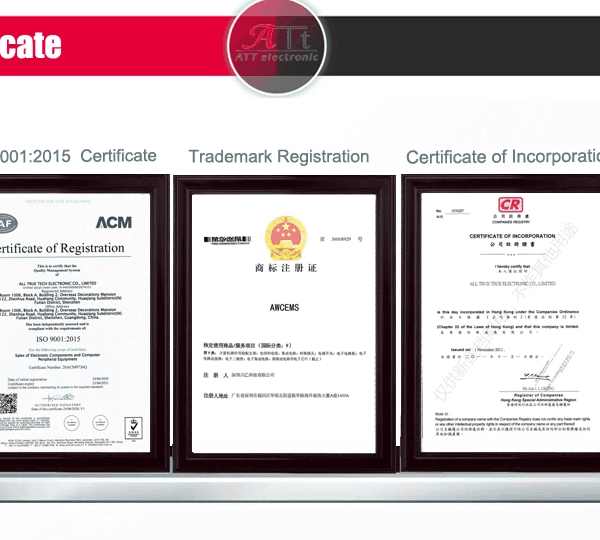
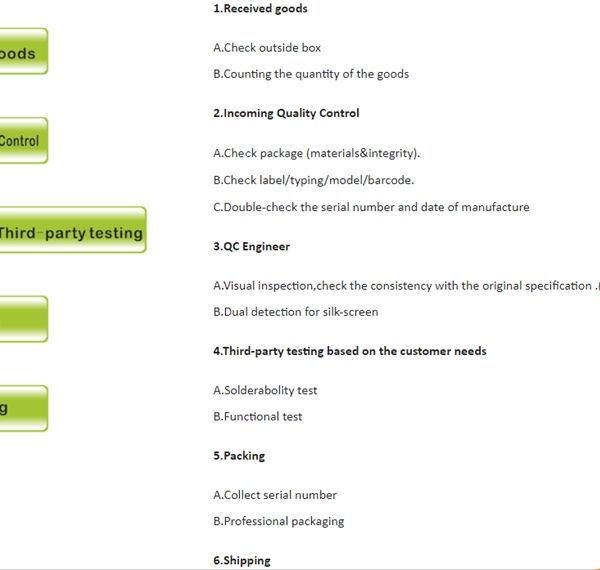
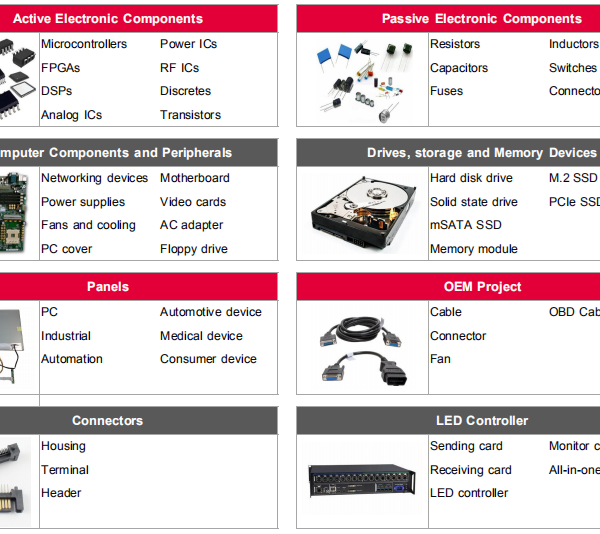
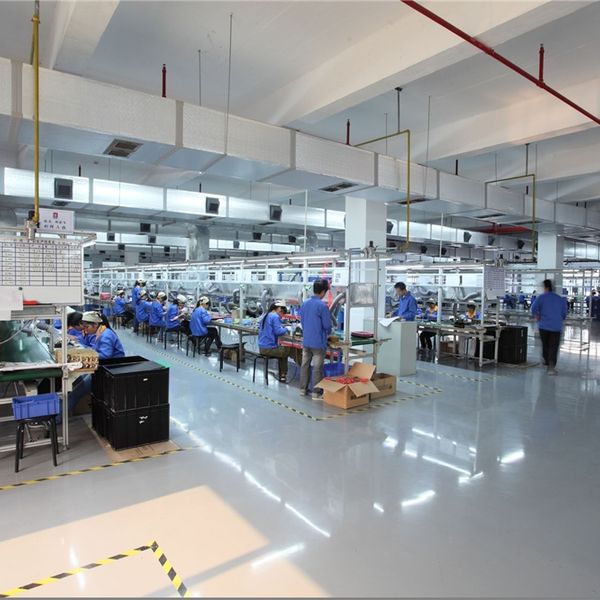
Shenzhen All True Tech Electronic Co., Ltd.
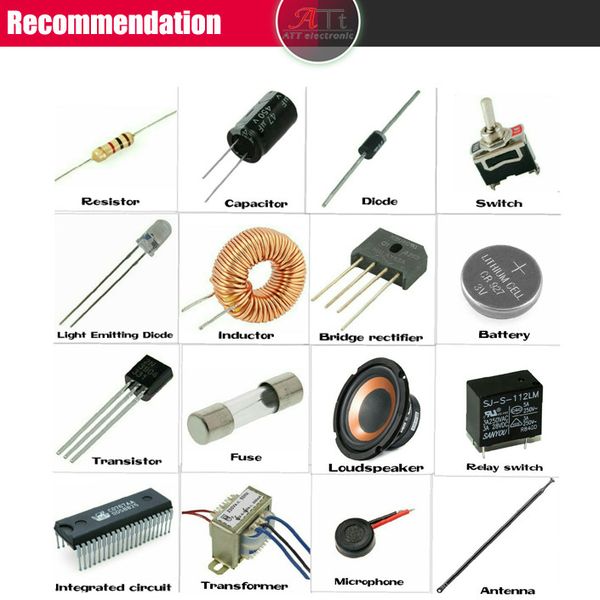
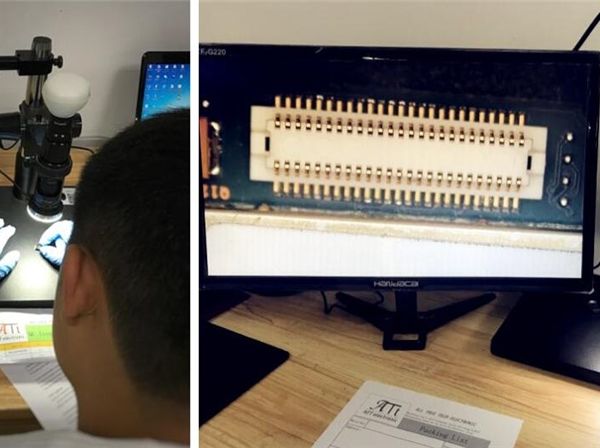
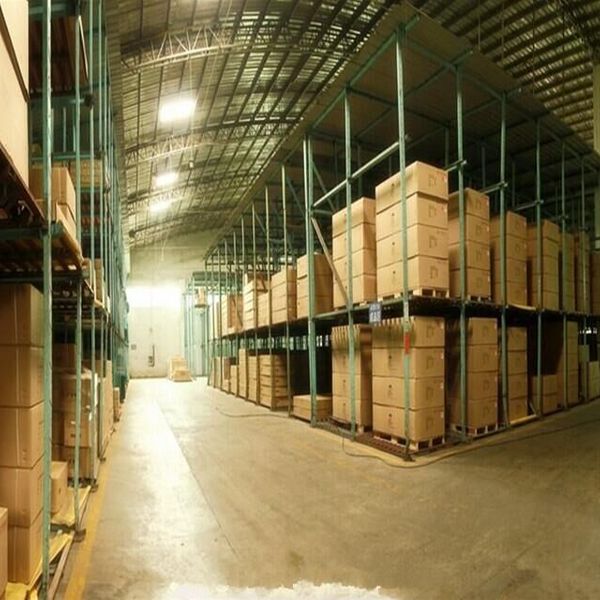

Gold Full Electronic Co., Ltd.




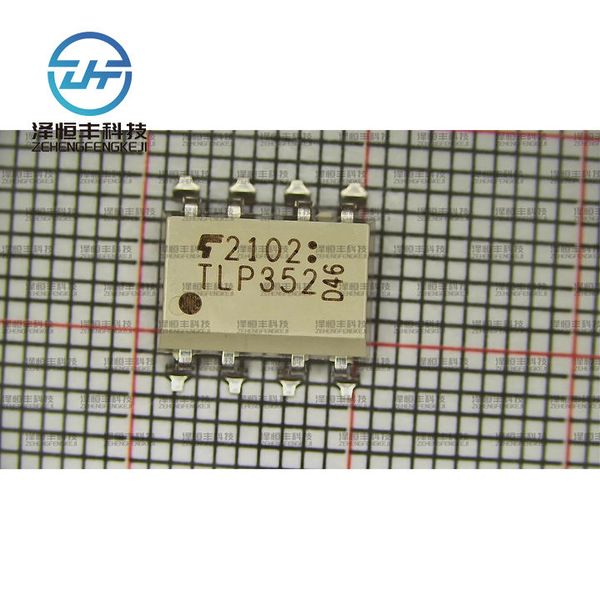
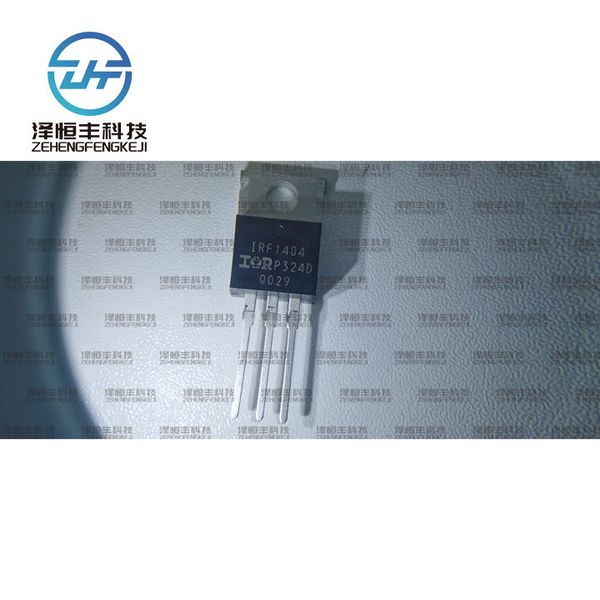
Shenzhen Zehengfeng Technology Co., Ltd.
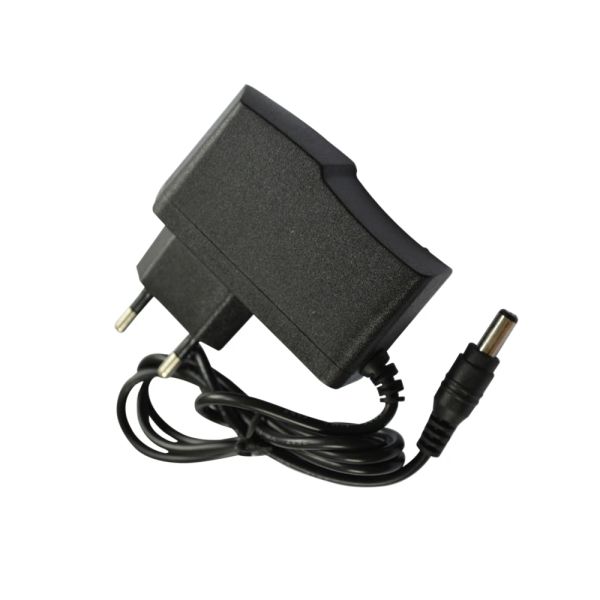
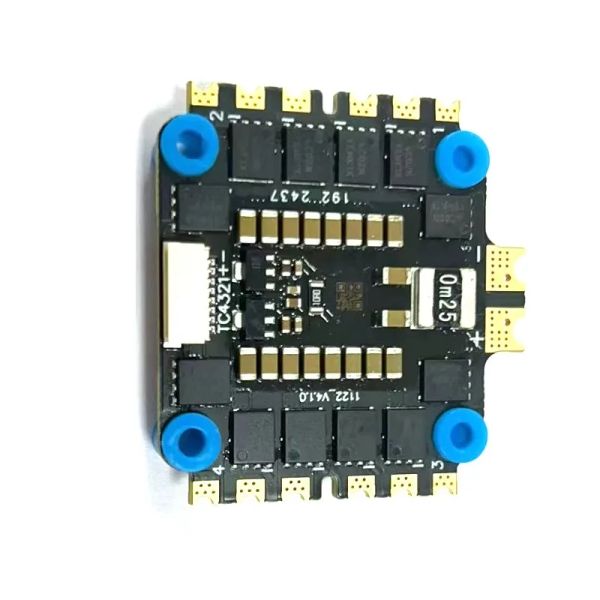
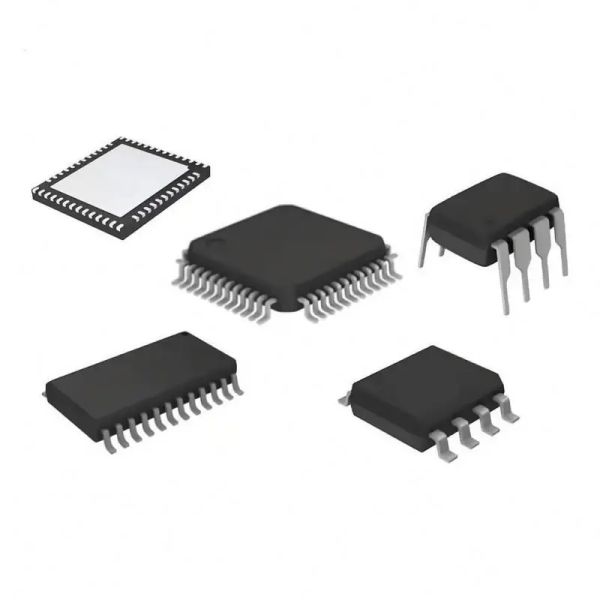
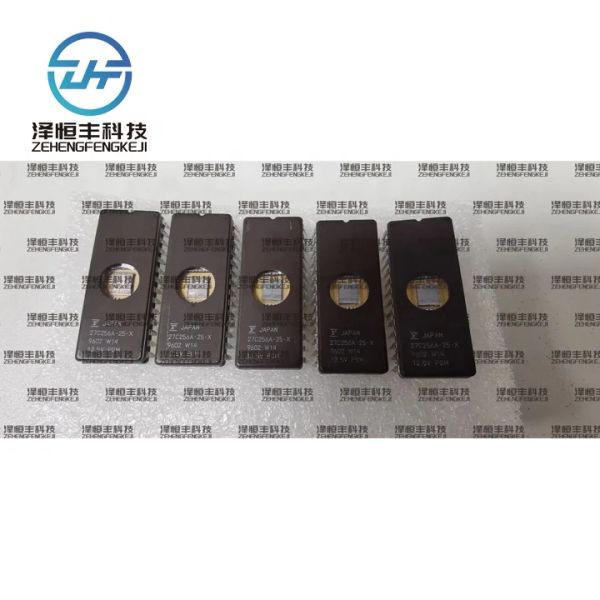
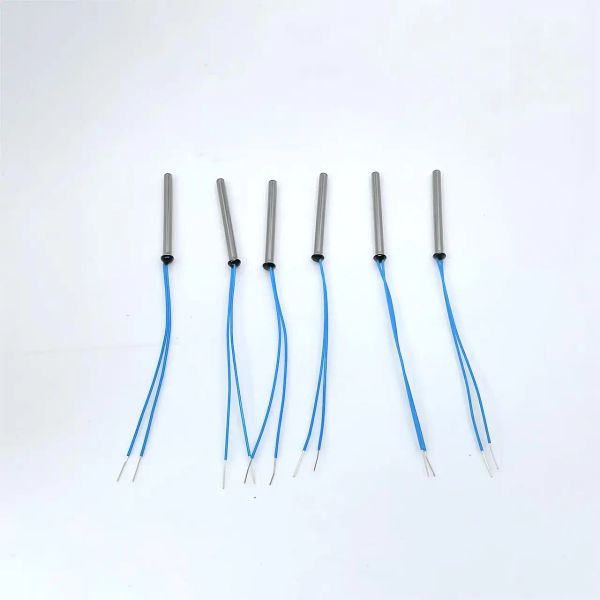
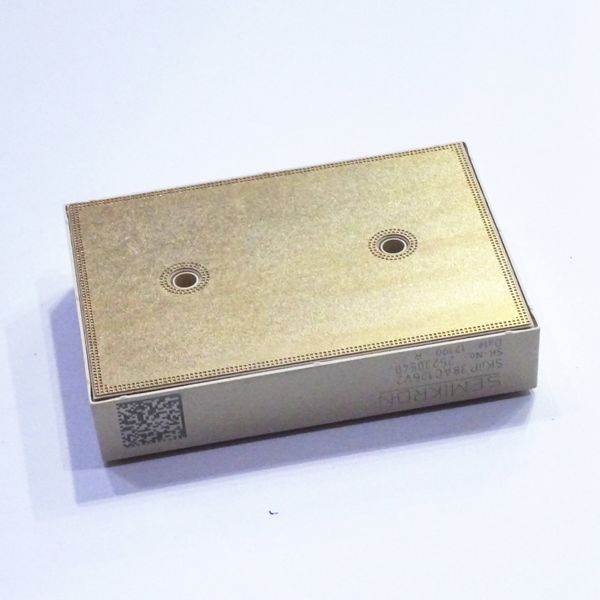
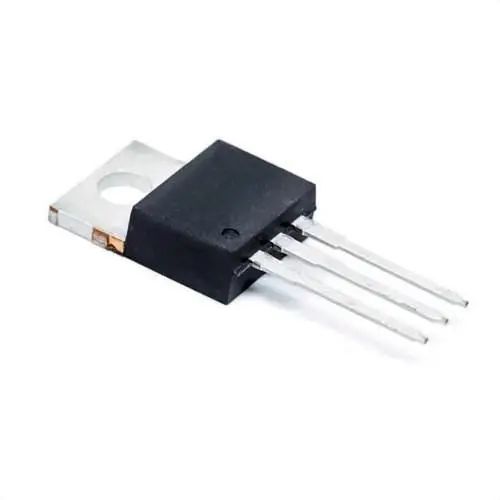
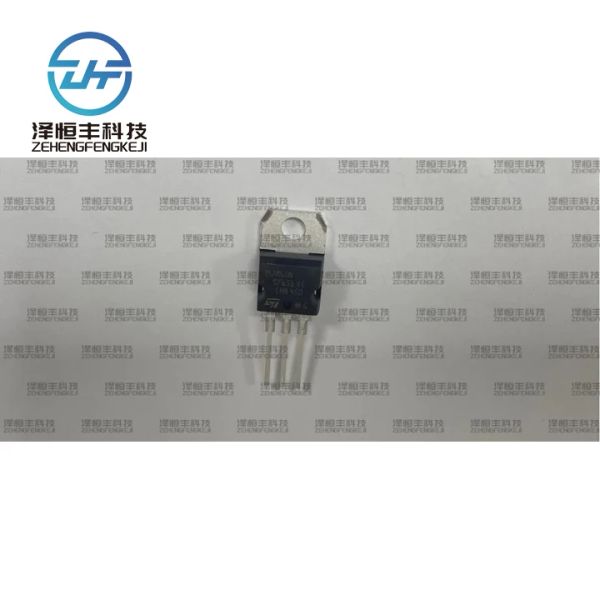

Shenzhen Mingjiada Electronics Co., Ltd.

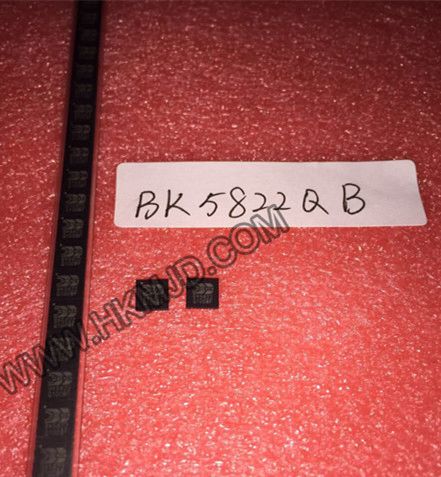
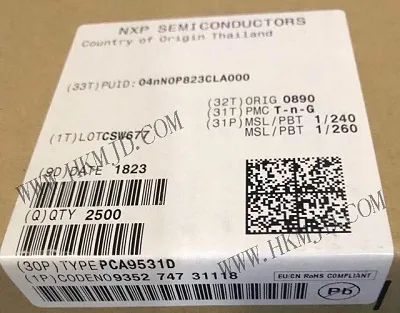
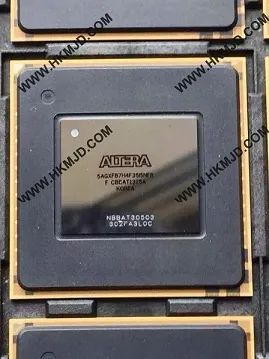
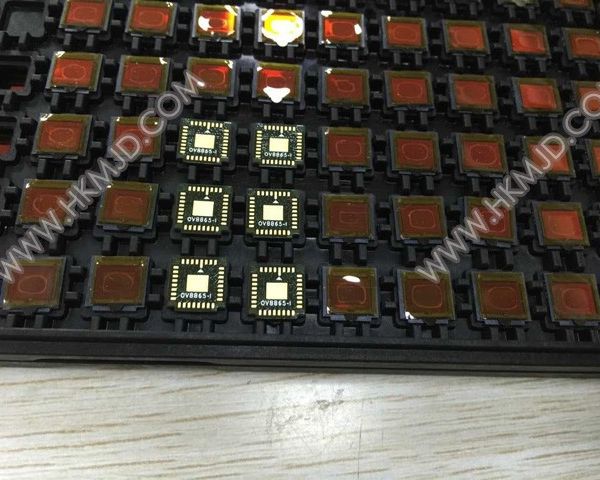
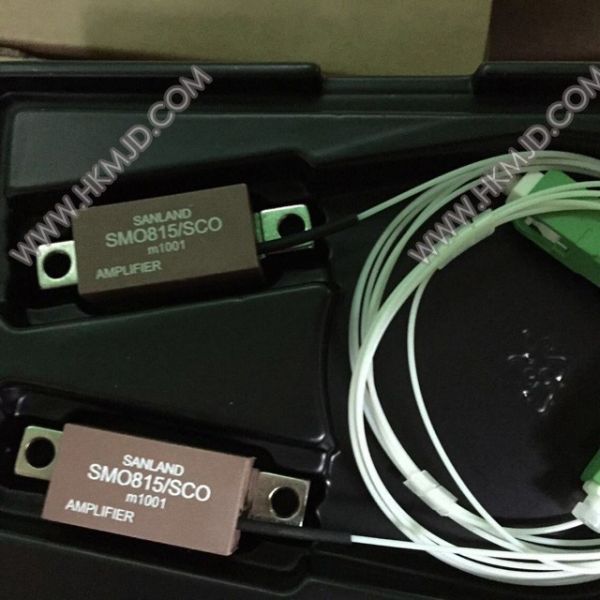
How can I choose between electronic component manufacturers and distributors?
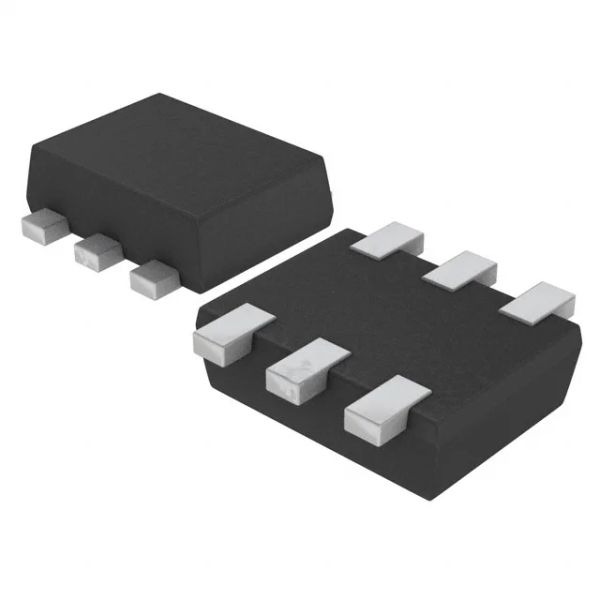
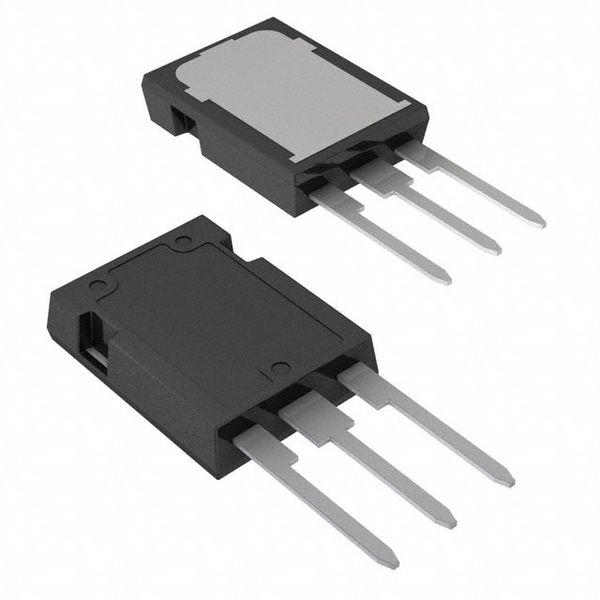
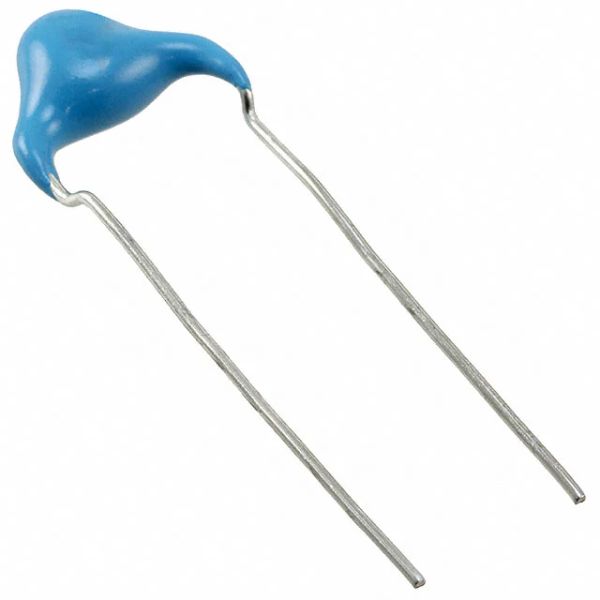
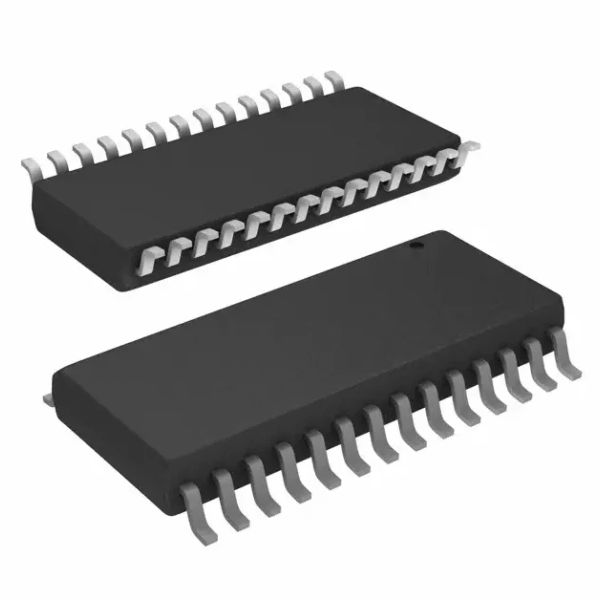
First identify whether you need a standard semiconductor, a fuse, a PCB assembly, or a custom stamped or molded part. Distributors may be suitable for established part numbers, while manufacturers can be better for custom designs and controlled production changes. This list includes multiple supplier types and component categories. Check each company's actual role, product evidence, traceability, and technical support rather than comparing unlike suppliers on price alone.
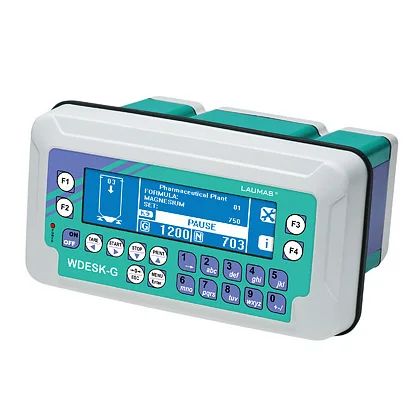
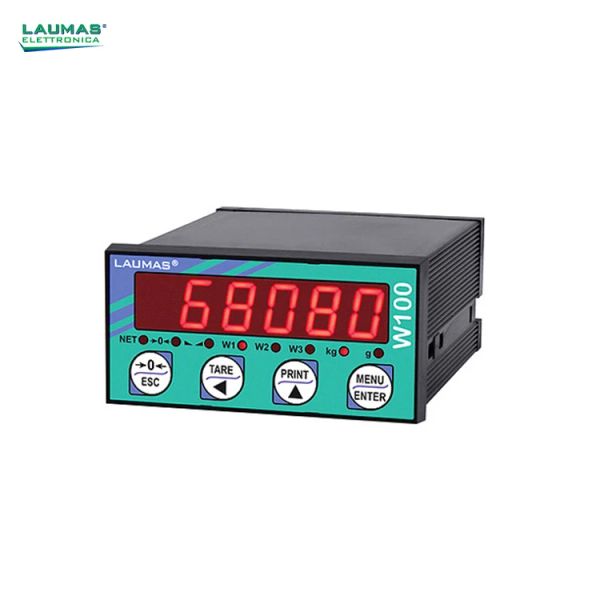
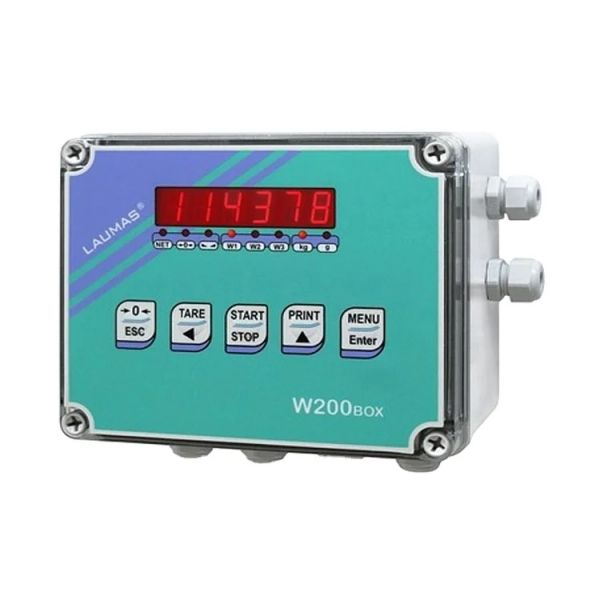
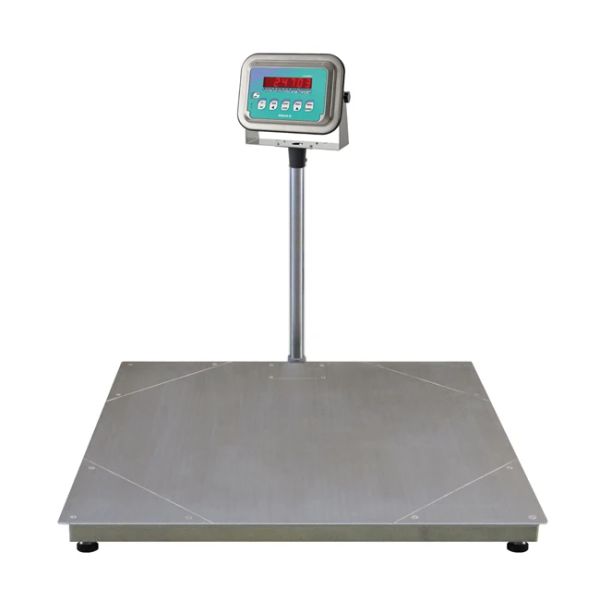
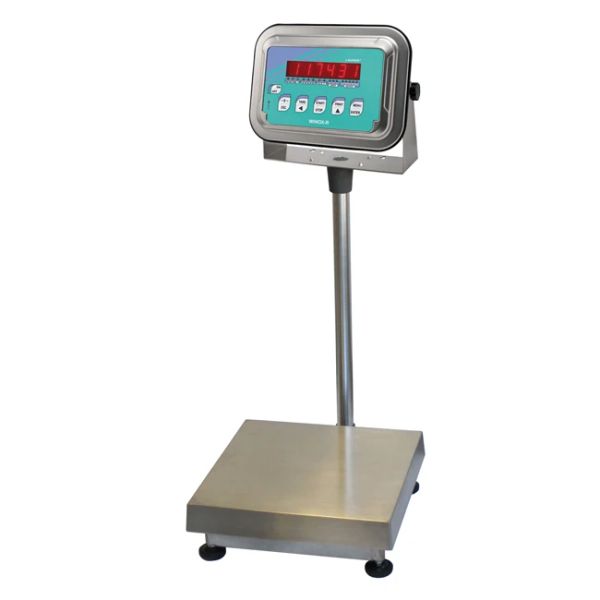
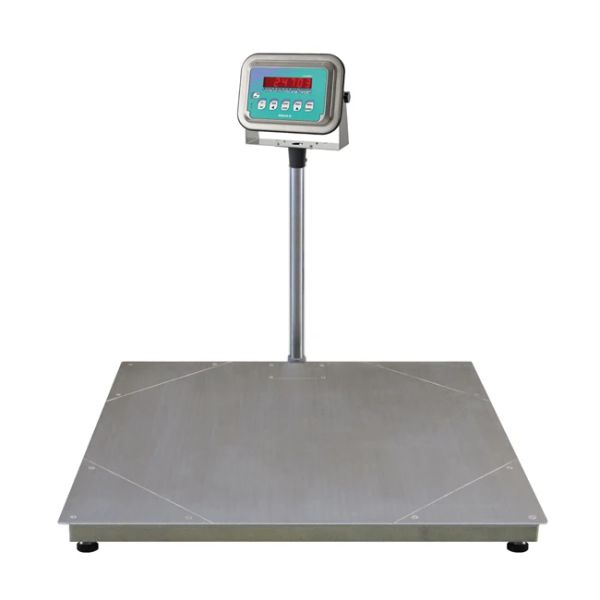
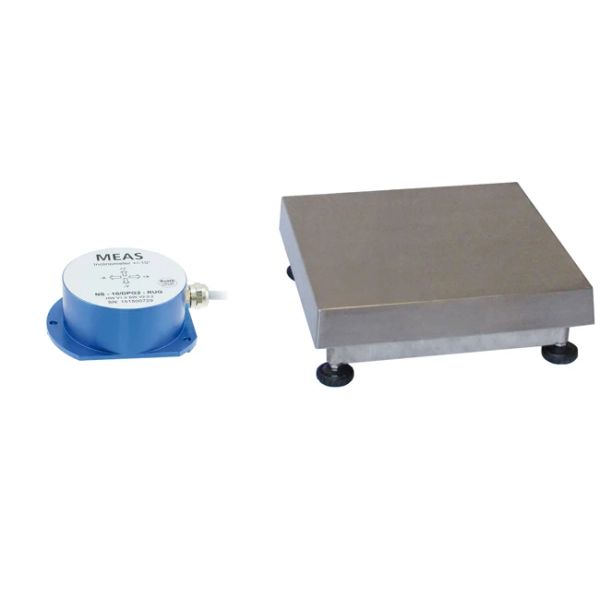
LAE Electronic S.p.A.

Jywy Electronic Co. Ltd.

Changzhou Changliwang Electrical Accessories Co., Ltd.
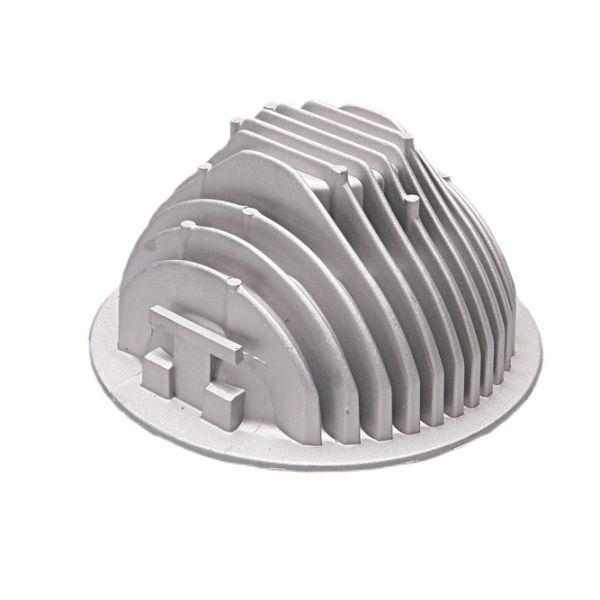
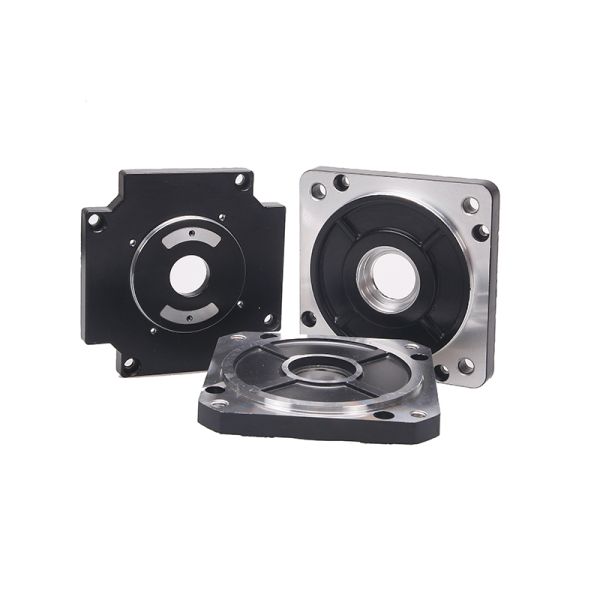
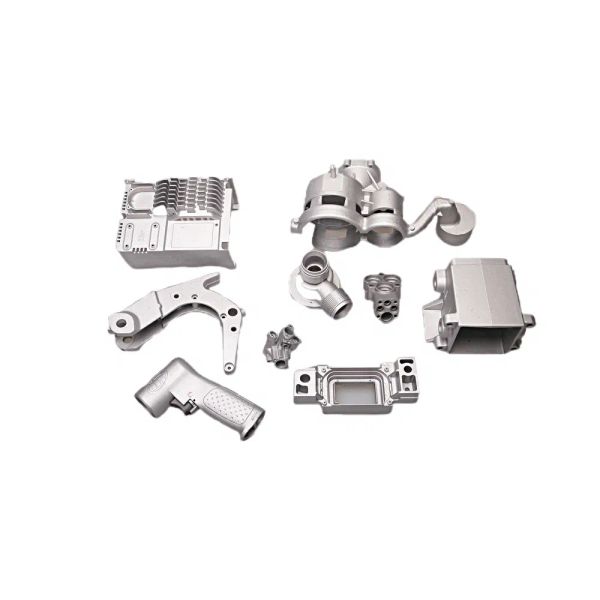
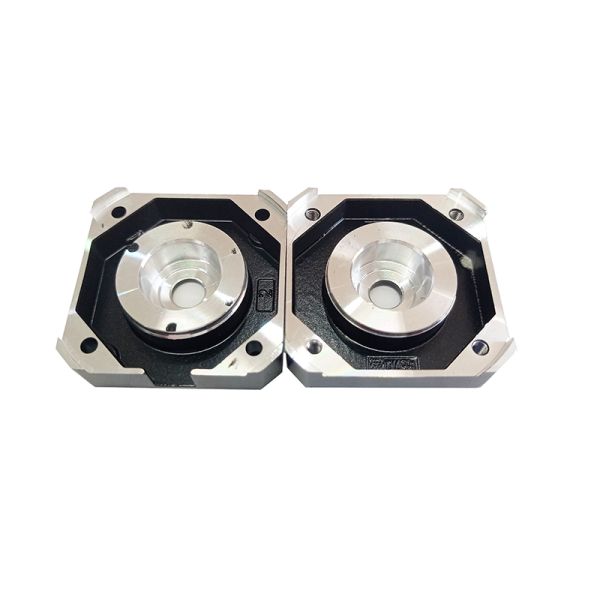
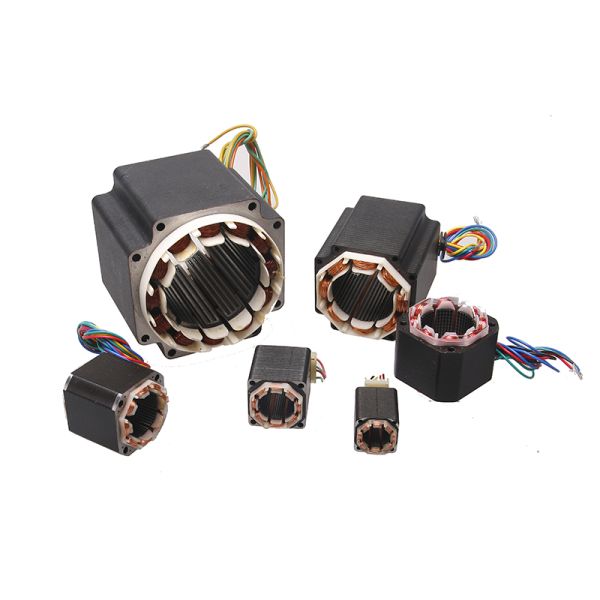
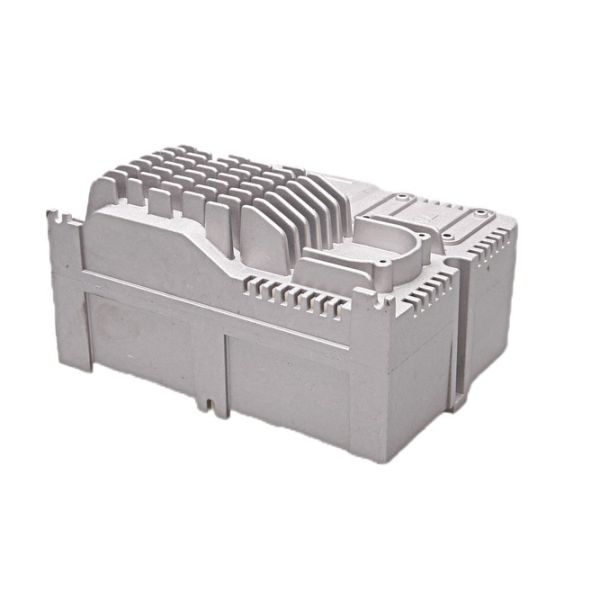
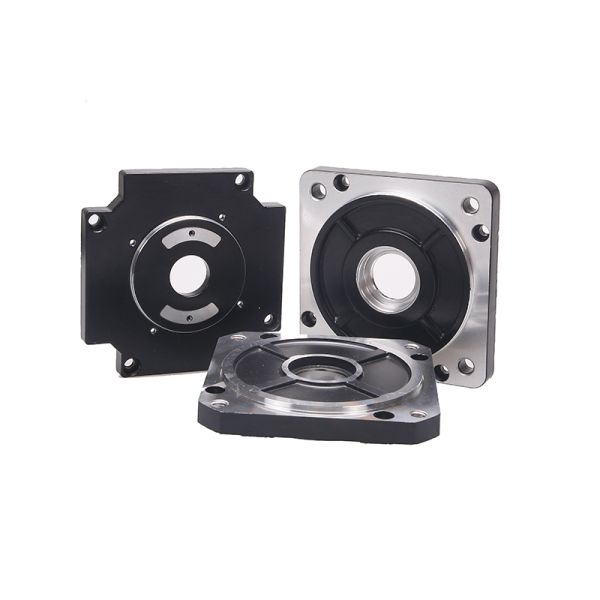
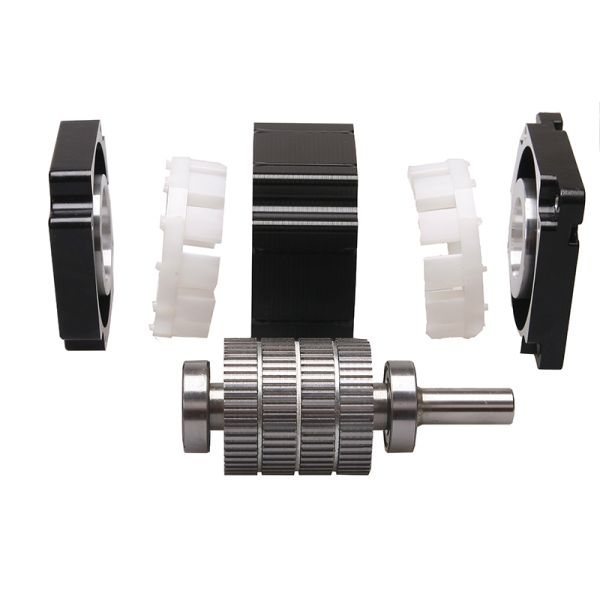
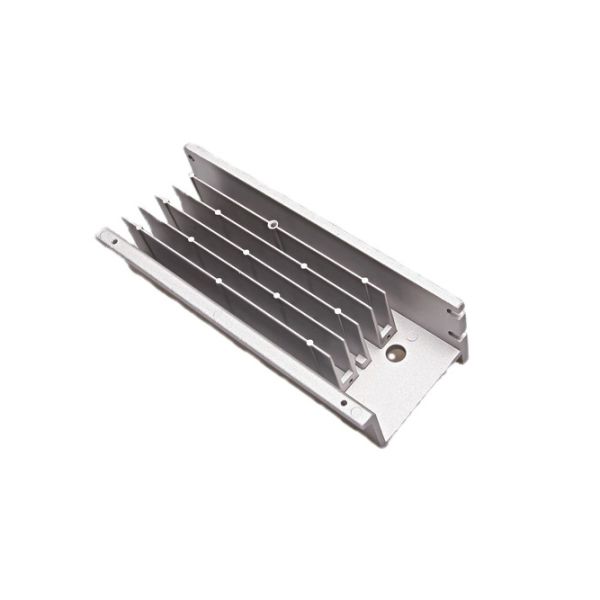
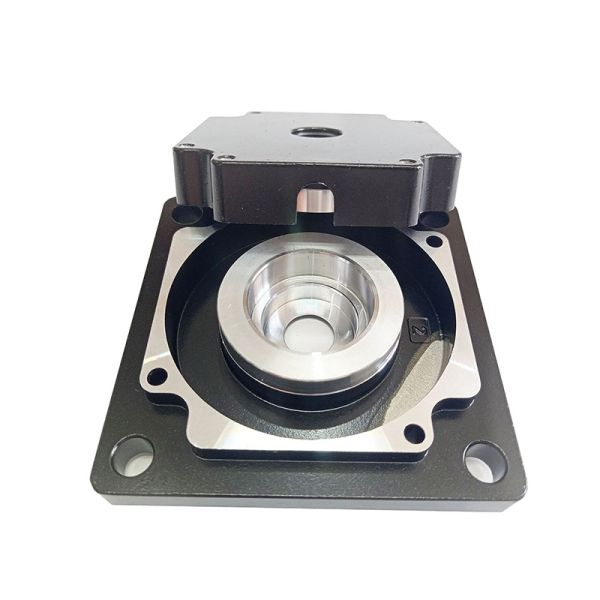
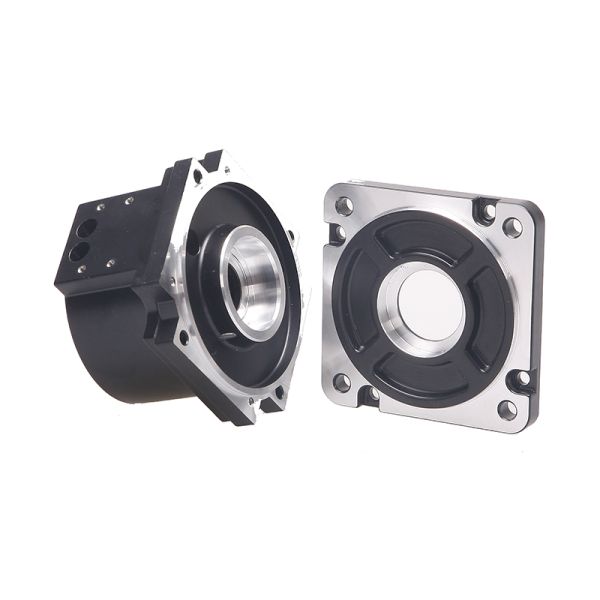
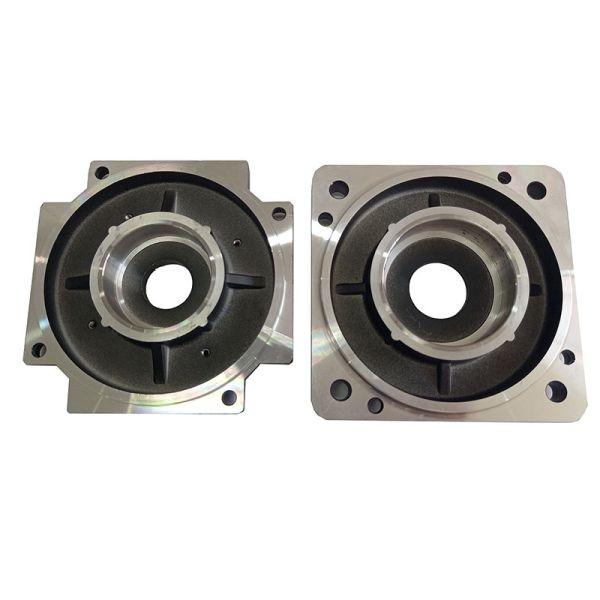

Nantong Xingchen Electron Co Ltd
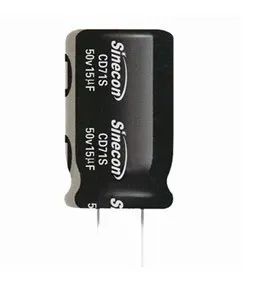
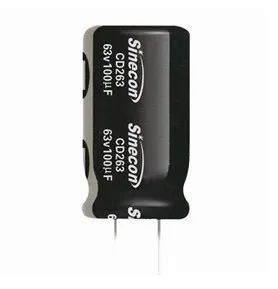
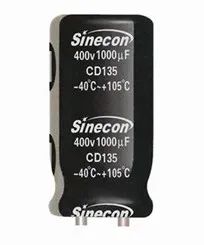

Veswin Electronics Co., Ltd.

Asti Electronics Ha Noi Corporation
FAQ
What should I request to reduce the risk of counterfeit electronic components?
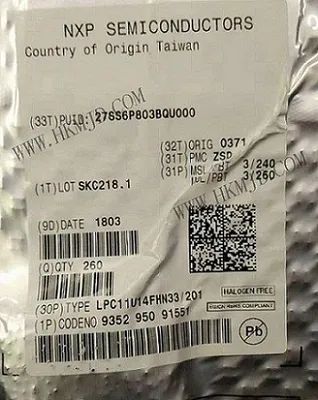
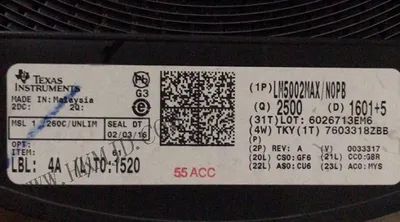
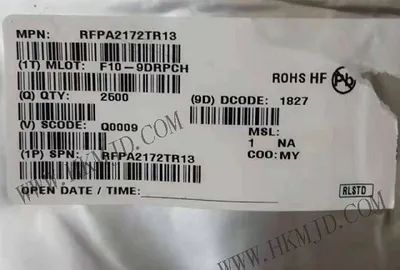
Prefer authorized sourcing channels where possible and request traceable invoices, manufacturer details, lot or date codes, and original packaging information. For higher-risk parts, define inspection and authenticity testing appropriate to the component and supply route. Check whether the supplier's claimed brand relationship is documented. A product photo or certificate of conformity alone does not establish origin or authenticity, particularly for scarce or obsolete semiconductor part numbers.
What specifications should I provide when requesting electronic parts quotations?
Include the full manufacturer part number, revision, electrical ratings, package type, tolerances, grade, and required quantity. For custom stampings or molded parts, supply drawings, materials, dimensional tolerances, and tooling requirements. Indicate whether alternates are acceptable and what qualification evidence they must meet. Request unit pricing by volume, minimum order quantity, lead time, batch traceability, and test or inspection documentation with the quote.
How can I manage component shortages and end-of-life risks when selecting suppliers?
Ask for lifecycle status, current lead times, available stock, and evidence of a continuing supply channel. Qualify second sources or approved alternatives before shortages force an untested substitution. For long-life products, discuss last-time-buy planning, forecast sharing, and buffer inventory where practical. Verify that changes in component manufacturer, revision, or packaging will trigger review, because nominally equivalent parts may behave differently in the finished design.