
Most brands do not publicly list the factories that make their products. But supplier relationships can often be uncovered through customs records, shipment databases, trade intelligence platforms, and manufacturer databases.
These tools help you trace which suppliers are shipping products to specific brands, what they are supplying, where production is located, and how active the relationship appears to be.
For sourcing and procurement teams, this information can be highly useful. You can use competitor supply chains as a starting point for supplier discovery, benchmark sourcing regions, identify experienced manufacturers, and build a more informed supplier shortlist.
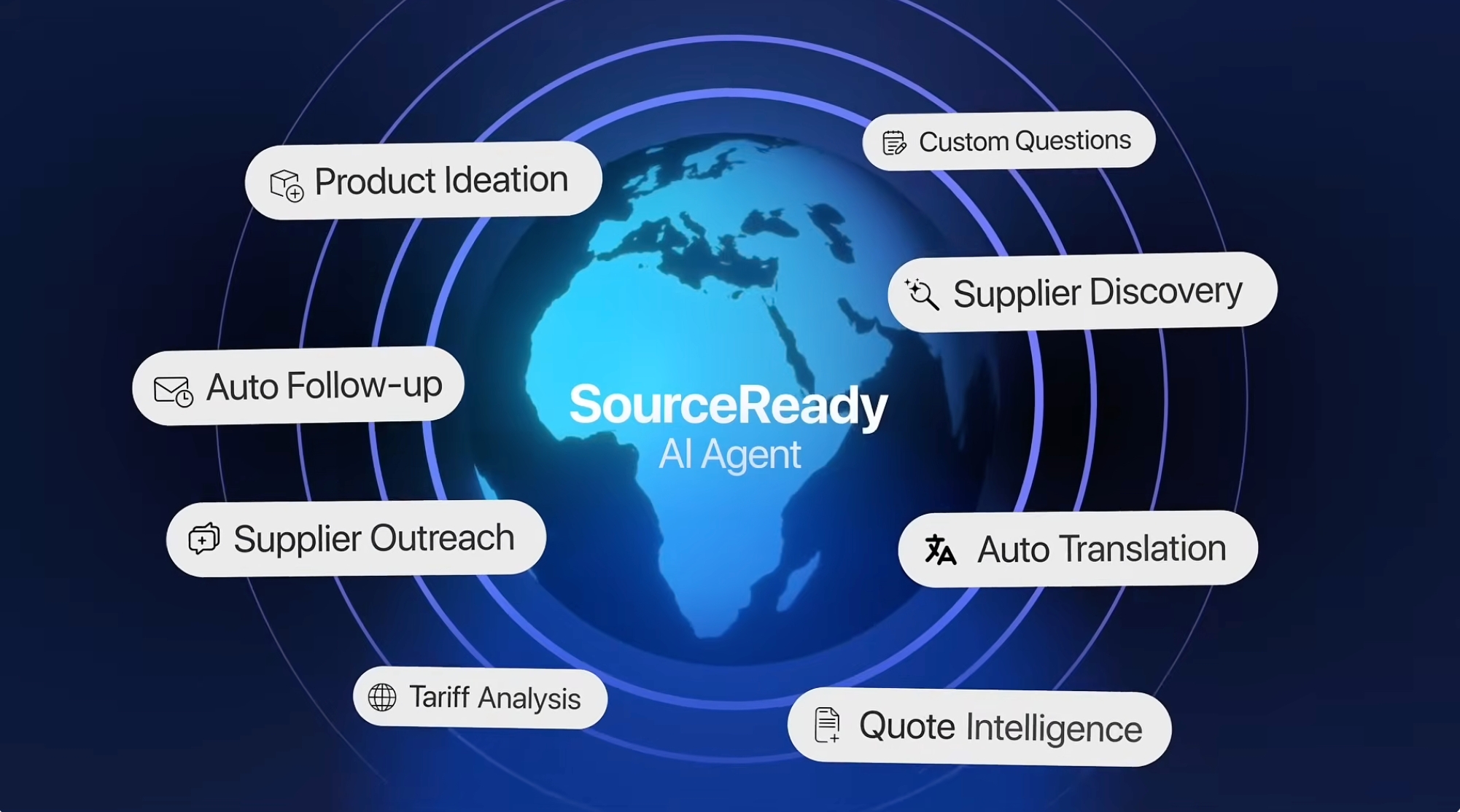
There's a better way to source ❤️
Watch the video to see how SourceReady helps brands move from product ideas to trusted supplier relationships faster
Watch the VideoHow Does Finding a Brand’s Manufacturers Help Your Sourcing Strategy?
Knowing who manufactures for established brands gives you a different starting point from searching a general supplier directory.
Instead of asking, “Which factories say they can make this product?”, you can look at suppliers that already have evidence of producing or exporting similar products for companies in your market.
That can improve several parts of your sourcing process.
- Discover proven suppliers: A manufacturer that repeatedly supplies established brands has evidence of commercial activity in that product category. This does not automatically mean the supplier is right for you, but it gives you a stronger starting point than an unverified supplier profile.
- Understand where competitors source: Supplier data can show whether brands are concentrating production in China, Vietnam, India, Mexico, Turkey, or other manufacturing markets. This can help you evaluate which sourcing regions are commonly used for your product category.
- Find alternative manufacturers: Once you identify a brand’s supplier, you can search for manufacturers with similar products, capabilities, certifications, or locations. This is especially useful when you want to build a broader supplier base instead of relying on a single factory.
- Benchmark supplier capabilities: Reviewing the suppliers used by established brands can help you understand what types of factories operate in your category, including their product focus, production scale, export markets, and certifications.
- Identify sourcing shifts: Shipment history can show when brands begin sourcing from new countries or suppliers. If several competitors are moving production into the same region, that may justify further research into costs, capacity, tariffs, lead times, or supply-chain risk.
- Prepare better supplier outreach: Knowing that a manufacturer already produces similar products can make your initial conversation more specific. You can focus on relevant materials, production capabilities, MOQ, pricing, certifications, and lead times instead of starting from zero.
The key is to use competitor supplier information as research input, not as automatic supplier approval. You still need to conduct your own qualification, sampling, pricing analysis, compliance checks, and supplier due diligence.
Which Tools Are Best for Finding a Brand’s Manufacturers?
Different tools provide different levels of trade data, supplier information, geographic coverage, and sourcing functionality. Some are designed primarily for customs research, while others help you move from discovering a supplier relationship to identifying manufacturers you can actually contact.
1. ImportYeti
ImportYeti is one of the simplest tools for researching suppliers connected to companies importing into the United States. It uses U.S. ocean shipment records to show relationships between importers and overseas exporters.
For sourcing teams researching U.S. brands, it can be a practical first step because you can enter a company name and quickly see suppliers associated with its ocean imports.
- Best for: Researching overseas suppliers connected to U.S. brands and importers.
- Data source: Primarily U.S. ocean bill-of-lading and shipment records.
- What you can see: Supplier names, shipment history, product descriptions, shipment dates, and trading relationships.
- Main advantage: The interface is relatively straightforward, making it accessible even if you do not regularly work with customs data.
- Main limitation: It does not provide a complete picture of a company’s supply chain. Air shipments, land shipments, confidential records, and imports through other entities may not appear.
- How to use it: Search the brand's legal company name and related entities, then review suppliers with repeated and product-relevant shipment activity.
2. SourceReady
SourceReady is designed more specifically around supplier discovery. It combines trade signals with manufacturer information, product data, supplier profiles, and other sourcing records. SourceReady combines supplier discovery, trade intelligence, and supply-chain monitoring in one platform. Its database includes more than 4 million suppliers across 200 countries, built from 40+ data sources including customs data, trade shows, supplier directories, and other public and proprietary sources. For finding a brand’s manufacturers, SourceReady can help you trace supplier relationships through global customs data and then use its broader supplier data to evaluate those companies or find comparable manufacturers. Beyond supplier discovery, the same data can support competitor tracking and supply-chain risk monitoring.
- Best for: Finding a brand’s suppliers and then discovering comparable manufacturers.
- Supplier coverage: Access more than 4 million suppliers across 200 countries, making it useful for both established manufacturing hubs and alternative sourcing markets.
- Data sources: Supplier profiles are built from 40+ sources, including customs records, trade shows, supplier directories, and other structured trade and company data.
- Brand supplier discovery: Search brands and companies to identify suppliers connected to them through trade and shipment records.
- Competitor sourcing intelligence: Track who competitors source from, how much they import, which countries they buy from, and where they appear to be shifting production.
- Risk monitoring: Monitor supplier and supply-chain exposure using signals related to sanctions, tariffs, and operational risk, helping sourcing teams identify changes that may affect existing suppliers.
- Supplier research: Review richer supplier information beyond shipment records, including products, locations, trade activity, certifications, and other available company data.
3. Panjiva
Panjiva is an enterprise-oriented trade intelligence platform from S&P Global. It is commonly used for deeper research into international companies, trading relationships, and supply chains.
It is particularly useful when you are investigating larger companies with multiple subsidiaries, importing entities, supplier relationships, and markets.
- Best for: Detailed global supply-chain and competitor research.
- Data focus: International trade records, company profiles, shipment relationships, and entity-level supply-chain information.
- What you can see: Importers, exporters, shipment histories, product descriptions, trade routes, and company relationships.
- Main advantage: Strong entity resolution helps connect company names, addresses, subsidiaries, and naming variations that may otherwise look like separate businesses.
- Main limitation: It is more complex and enterprise-focused than tools designed for quick supplier searches.
- How to use it: Start with the brand or parent company, identify related importing entities, and trace relevant suppliers across different markets and company names.
4. ImportGenius
ImportGenius provides customs and shipment intelligence for researching companies, suppliers, buyers, and international trading relationships.
It works well when you already know which brand, importer, or supplier you want to investigate and need more detailed information about its trade history.
- Best for: Detailed shipment-level research into specific companies and supplier relationships.
- Data focus: Customs and shipping records from multiple markets.
- What you can see: Suppliers, buyers, product descriptions, shipment dates, origin countries, shipment frequency, and other transaction information.
- Main advantage: Detailed shipment records allow you to examine how a supplier relationship develops over time rather than relying on a single company profile.
- Main limitation: Customs records require interpretation. The exporter shown in the data may be a manufacturer, trading company, or another intermediary.
- How to use it: Search the importer, identify recurring exporters, compare their products with the brand's product range, and then research those suppliers separately.
5. Volza
Volza provides import-export data covering a wide range of products, companies, and international markets. You can search using company names, products, HS codes, buyers, suppliers, and sourcing countries.
It can be particularly useful when your research is not limited to U.S. imports.
- Best for: Searching international buyer-supplier relationships across multiple markets.
- Search options: Company name, product keyword, HS code, buyer, supplier, origin country, and destination country.
- What you can see: Shipment relationships, supplier activity, product information, trade routes, and market activity.
- Main advantage: Broad international search functionality can help when researching brands or suppliers outside the United States.
- Main limitation: The depth and availability of trade records vary by country, so coverage should be evaluated for the specific markets you need.
- How to use it: Combine company-name searches with product and HS-code searches to identify suppliers associated with a brand or product category.
6. Trademo
Trademo combines global trade intelligence with supply-chain risk and compliance tools. This makes it more relevant for procurement teams that need to consider both supplier discovery and trade compliance.
Instead of stopping at the buyer-supplier relationship, you can use the platform to investigate additional risks connected to international sourcing.
- Best for: Supplier research where sourcing and trade compliance need to be evaluated together.
- Data focus: Global trade relationships combined with compliance and supply-chain risk information.
- What you can see: Buyers, suppliers, shipment activity, trade relationships, and selected risk or compliance information.
- Main advantage: It connects trade intelligence with areas such as sanctions, tariffs, forced-labor risk, and trade compliance.
- Main limitation: The broader compliance functionality may be more than you need if your only objective is to identify a competitor's suppliers.
- How to use it: Identify the relevant supplier relationship first, then use the additional risk information to determine whether the company deserves further sourcing consideration.
Which Tool Should You Start With?
Finding a brand’s manufacturers can give you a much clearer view of how products are actually sourced and produced. Trade data and supplier intelligence can uncover relationships that are rarely available through a normal web search, giving you a stronger starting point for supplier discovery.
No database provides a complete picture, so use the information as a starting point for further supplier research and qualification.
If you want to research which manufacturers supply specific brands, SourceReady lets you search brand-supplier relationships and explore relevant manufacturers in one place. You can then use those insights to identify potential suppliers and build a more targeted sourcing shortlist.
FAQ
1. Why can’t I find a brand in customs databases?
The brand may import under a parent company, subsidiary, distributor, or different legal entity. Shipments may also move by air or land, or certain records may not be publicly available.
2. How can I tell if a competitor is moving production to another country?
Look at its shipment history over time. If imports from one country decline while shipments from another country increase, that can indicate a sourcing shift. You should confirm the pattern across multiple suppliers and periods before drawing conclusions.

Find the sourcing tools you need.
Explore how SourceReady helps you research products, discover suppliers, verify factory information, analyze trade data, and manage your sourcing workflow in one place
Explore Features
Graduating from USC with a background in business and marketing, Judy Chen has spent over a decade working in e-commerce, specializing in sourcing and supplier management. Her experience includes developing strategies to optimize supplier relationships and streamline procurement processes for growing businesses. As SourceReady’s blog writer, Judy leverages her deep understanding of sourcing challenges to create insightful content that helps readers navigate the complexities of global supply chains.


