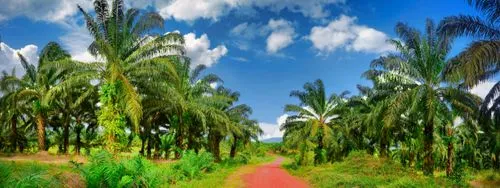
Brazil has been the world's largest coffee producer for more than 150 years, accounting for roughly one-third of global coffee production and exporting over US$12 billion worth of coffee annually to more than 100 countries. From specialty Arabica grown in Minas Gerais to high-volume Conilon (Robusta) from Espírito Santo, Brazil offers buyers an unmatched combination of quality, scale, and export expertise. This guide explains how to find reliable coffee bean suppliers in Brazil, evaluate potential partners, and use AI-powered sourcing tools to streamline supplier discovery and make more informed sourcing decisions.
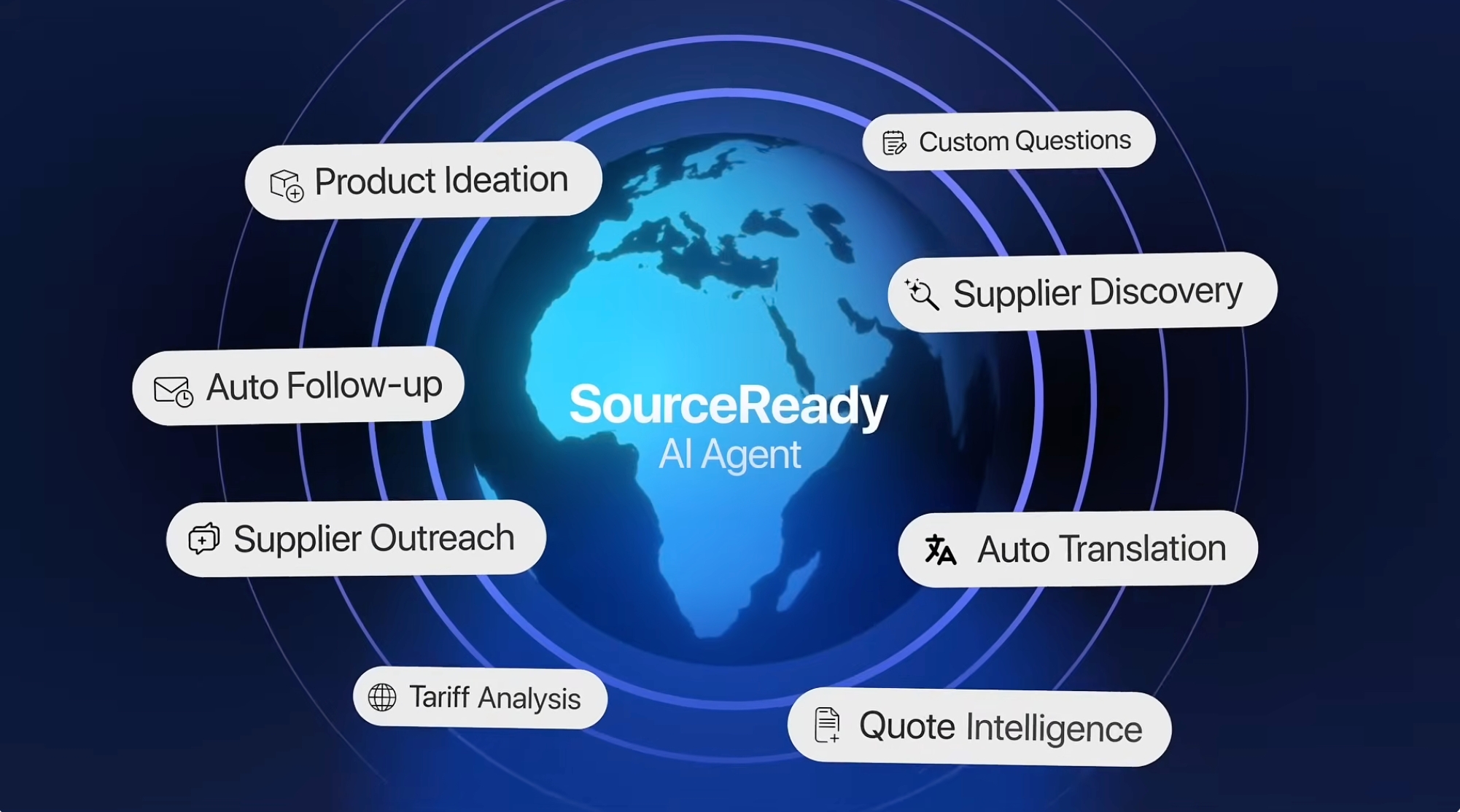
There's a better way to source ❤️
Watch the video to see how SourceReady helps brands move from product ideas to trusted supplier relationships faster
Watch the VideoWhy Source Coffee Beans from Brazil?
1. Unmatched Production Capacity
Brazil consistently produces more coffee than any other country, making it one of the most reliable sourcing destinations for buyers with both seasonal and year-round demand. Its large production base also helps reduce supply disruptions caused by localized weather or harvest fluctuations.
Key advantages include:
- Global leader: Produces approximately one-third of the world's coffee supply.
- Year-round availability: Large harvest volumes support consistent export capacity.
- Scalable sourcing: Suitable for both small specialty orders and high-volume commercial contracts.
- Stable supply chain: Mature infrastructure supports long-term procurement programs.
2. Wide Variety of Coffee Beans
Brazil produces both Arabica and Conilon (Robusta) coffee, allowing buyers to source beans for a wide range of products, from premium single-origin coffees to espresso blends and instant coffee.
Why this matters:
- Arabica: Known for smooth, chocolatey, nutty, and caramel flavor profiles.
- Conilon (Robusta): Higher caffeine content and commonly used in espresso blends and soluble coffee.
- Multiple processing methods: Includes natural, pulped natural, and washed coffees to suit different roasting styles.
- Flexible sourcing: Easy to source commercial-grade, premium, or specialty coffee from the same country.
3. Strong Export Infrastructure
Brazil has decades of experience serving international coffee buyers and has built one of the world's most sophisticated coffee export industries. Experienced exporters, cooperatives, and logistics providers make cross-border sourcing relatively straightforward.
Benefits for importers include:
- Export expertise: Suppliers are familiar with international shipping documentation and customs requirements.
- Modern logistics: Well-developed ports and transportation networks support efficient global exports.
- Quality standards: Many exporters follow internationally recognized grading and quality control practices.
- Reliable documentation: Easier compliance with import regulations in major markets.
4. Mature Sustainability and Certification Programs
As demand for responsibly sourced coffee continues to grow, many Brazilian producers have invested heavily in sustainability, traceability, and internationally recognized certifications.
Common certifications include:
- Rainforest Alliance: Demonstrates sustainable farming and environmental stewardship.
- Fairtrade: Supports ethical sourcing and fair compensation for producers.
- Organic: Meets certified organic production standards for key export markets.
- 4C and ISO standards: Help buyers verify responsible production and food safety practices.
Where Can You Find Reliable Coffee Bean Suppliers in Brazil?
Brazil's coffee supply chain includes independent farms, cooperatives, exporters, and trading companies. Each sourcing channel serves a different type of buyer, so the best option depends on your purchasing volume, quality requirements, and desired level of supplier involvement.
1. Coffee Cooperatives
Coffee cooperatives are among the largest coffee exporters in Brazil. They work with hundreds or even thousands of growers, allowing them to offer stable production volumes while maintaining consistent quality standards. If you're planning to purchase container-load quantities or establish a long-term sourcing program, cooperatives are often an excellent starting point.
Key advantages include:
- Consistent supply: Coffee is sourced from multiple member farms, reducing the risk of production shortages.
- Quality control: Many cooperatives operate centralized processing and grading facilities to ensure consistent bean quality.
- Export experience: Established cooperatives are familiar with international documentation, logistics, and shipping requirements.
- Scalability: They can usually support growing order volumes as your business expands.
2. Coffee Exporters
Many Brazilian exporters purchase coffee directly from farms and cooperatives before handling processing, storage, quality control, and international shipping. For overseas buyers, exporters often provide the simplest way to source Brazilian coffee because they manage much of the export process.
Why work with exporters?
- Simplified importing: Exporters handle documentation, customs paperwork, and shipping coordination.
- Broader supplier network: Many source coffee from multiple producing regions, giving you more variety.
- Flexible purchasing options: Buyers can often choose from different grades, origins, and processing methods.
- Reliable communication: Experienced exporters generally have multilingual sales teams familiar with international trade.
3. Direct Farm Relationships
Specialty coffee roasters and premium brands increasingly purchase directly from farms to improve traceability and strengthen producer relationships. While this approach requires more supplier management, it can create stronger product differentiation and long-term partnerships.
Benefits of sourcing directly include:
- Full traceability: Better visibility into farm practices, harvest methods, and bean origin.
- Unique flavor profiles: Access to single-origin and micro-lot coffees that may not be available through exporters.
- Closer supplier relationships: Direct communication often leads to greater flexibility and collaboration.
- Brand storytelling: Farm partnerships can strengthen your marketing and sustainability initiatives.
4. Trade Shows
Industry exhibitions remain one of the best places to evaluate suppliers face-to-face. You can compare coffee quality, discuss production capabilities, and build relationships with multiple exporters during a single event.
Some of Brazil's leading coffee trade shows include Semana Internacional do Café (SIC), Coffee Dinner & Summit, and the Brazil Specialty Coffee Expo.
Trade shows help you:
- Meet suppliers efficiently: Compare multiple producers without scheduling separate visits.
- Evaluate products firsthand: Cup samples and assess bean quality before requesting quotations.
- Discover new suppliers: Many smaller producers showcase products that aren't listed in online directories.
- Build trust: Face-to-face meetings often lead to stronger long-term partnerships.
5. AI-Powered Supplier Discovery Platforms
Traditional supplier research often requires searching multiple directories, trade show websites, certification databases, and company websites. AI-powered sourcing platforms consolidate this information into a single workflow, making supplier discovery significantly faster.
Advantages include:
- Faster supplier search: Find qualified exporters using multiple sourcing criteria instead of manual research.
- Better supplier comparisons: Review certifications, export history, and capabilities side by side.
- Risk visibility: Identify potential compliance or sourcing risks before contacting suppliers.
- Continuous discovery: Monitor new suppliers and market changes without repeating manual searches.
Which Brazilian Coffee Regions Produce the Best Coffee Beans?
Brazil's coffee quality varies significantly by growing region. Differences in climate, elevation, soil, and processing methods all influence flavor, production volume, and pricing. Understanding these regions helps you shortlist suppliers that align with your product strategy.
1. Minas Gerais
Minas Gerais is Brazil's largest coffee-producing state and is widely recognized for its high-quality Arabica beans. The region supplies both commercial and specialty coffee to buyers around the world.
Why source here?
- Largest production: Offers stable supply throughout the year.
- Balanced flavor: Known for chocolate, nutty, and caramel tasting notes.
- Strong export network: Home to many experienced exporters and cooperatives.
- Wide product range: Suitable for both mass-market and premium coffee brands.
2. São Paulo (Mogiana)
The Mogiana region is one of Brazil's most respected coffee-growing areas, renowned for producing some of Brazil's finest specialty Arabica beans. Higher elevations and favorable growing conditions contribute to consistent bean quality and excellent cup profiles.
Key strengths include:
- Premium quality: Frequently selected for specialty coffee programs.
- Reliable consistency: Stable production standards across many farms.
- Established exporters: Long history of serving international buyers.
- Excellent traceability: Many producers offer detailed farm-level information.
3. Espírito Santo
Espírito Santo is the country's largest producer of Conilon (Robusta) coffee and has become increasingly important as global demand for espresso blends and instant coffee continues to grow.
Best suited for:
- High-volume sourcing: Large production capacity supports commercial buyers.
- Competitive pricing: Generally more affordable than premium Arabica.
- Industrial applications: Popular for soluble coffee and espresso blends.
- Improving quality: Many producers are investing in better cultivation and processing methods.
How Should You Evaluate Coffee Bean Suppliers?
Choosing the right coffee supplier involves much more than comparing prices. A reliable supplier should consistently deliver high-quality beans, meet regulatory requirements, and have the capacity to support your business as it grows. Taking a structured approach to supplier evaluation can help reduce quality issues, shipping delays, and unexpected sourcing risks.
1. Evaluate Coffee Quality
Coffee quality directly impacts your final product, making sample evaluation one of the most important steps in the sourcing process. Don't rely solely on product descriptions or certifications—always assess the coffee yourself before committing to larger orders.
When evaluating samples, review:
- Cup profile: Assess aroma, acidity, body, sweetness, and overall flavor consistency.
- Bean quality: Check for defects, broken beans, moisture levels, and uniform screen size.
- Processing method: Confirm whether the beans are natural, washed, or pulped natural to ensure they match your roasting goals.
- Harvest freshness: Verify the harvest season and storage conditions to maintain optimal quality.
2. Verify Certifications and Compliance
Depending on your target market, you may need suppliers that meet specific sustainability, food safety, or ethical sourcing standards. Certifications can also strengthen your brand's credibility with retailers and consumers.
Key certifications to verify include:
- Rainforest Alliance: Demonstrates environmentally and socially responsible farming practices.
- Fairtrade: Supports ethical sourcing and fair compensation for producers.
- Organic: Meets certified organic production standards for applicable markets.
- Food safety standards: Certifications such as ISO 22000 or HACCP help demonstrate robust food safety management systems.
3. Review Export Experience
An experienced exporter can help minimize delays and documentation issues when shipping internationally. Suppliers that regularly export are generally better equipped to meet customs and regulatory requirements.
Look for suppliers with:
- Export history: Proven experience shipping coffee to your target market.
- Required documentation: Ability to provide certificates of origin, phytosanitary certificates, and other export paperwork.
- Logistics expertise: Familiarity with international shipping, freight forwarding, and customs procedures.
- Responsive communication: Clear and timely communication throughout the sourcing process.
4. Assess Production Capacity and Reliability
A supplier may offer excellent coffee but still struggle to fulfill larger orders or maintain consistent supply throughout the year. Confirm that their production capabilities align with your long-term purchasing plans.
Important questions to ask include:
- Production capacity: Can they consistently meet your expected order volumes?
- Lead times: How long does production and shipment typically take?
- Minimum order quantities: Do their MOQs fit your purchasing strategy?
- Inventory availability: Can they support repeat orders outside of the main harvest season?
How Can SourceReady Simplify Finding Coffee Bean Suppliers?
Finding coffee bean suppliers manually often means searching multiple directories, reviewing certifications, attending trade shows, and comparing countless exporters one by one. The process is time-consuming, fragmented, and makes it difficult to identify the best suppliers with confidence.
SourceReady brings everything together in one AI-powered sourcing platform, helping you discover, evaluate, and connect with qualified coffee suppliers more efficiently.
Instead of relying on a single supplier directory, SourceReady combines supplier intelligence from 40+ global data sources, including:
- Customs and import/export data: Identify active coffee exporters and analyze their international trading history.
- Global trade shows: Discover exhibitors and coffee producers participating in major industry events.
- Supplier directories: Access a broad network of manufacturers, exporters, and cooperatives.
- Compliance and certification databases: Verify certifications such as Organic, Fairtrade, Rainforest Alliance, and food safety standards.
- Company websites and business registries: Enrich supplier profiles with verified business information and production capabilities.
Powered by AI, SourceReady helps you make better sourcing decisions faster.
With SourceReady, you can:
- Discover qualified suppliers: Search millions of supplier profiles across 200+ countries using filters such as certifications, export markets, production capacity, and product categories.
- Compare suppliers side by side: Evaluate capabilities, certifications, export history, and company information from a single interface.
- Benchmark competitors: Identify which suppliers leading coffee brands and importers are sourcing from.
- Reduce sourcing risks: Receive AI-generated insights on supplier strengths, potential risks, and overall suitability for your sourcing requirements.
- Automate supplier outreach: Send personalized RFQs to multiple suppliers simultaneously and manage responses from one centralized platform.
Whether you're sourcing specialty Arabica, commercial Robusta, or private label coffee products, SourceReady helps you reduce supplier research time and make smarter procurement decisions backed by comprehensive global data.
Conclusion
Brazil remains the world's leading source for high-quality coffee beans, offering buyers an exceptional combination of production scale, diverse coffee varieties, competitive pricing, and export expertise. By understanding where to find suppliers, evaluating them carefully, and choosing partners with proven quality and compliance standards, you can build a more reliable and resilient coffee supply chain.
If you're looking to discover trusted Brazilian coffee suppliers, compare exporters with AI, and streamline every stage of your sourcing process, SourceReady can help. Book a demo today to see how our platform leverages data from 40+ global sources to help procurement teams source faster, reduce risk, and make more informed supplier decisions.
FAQ
1. Should I source coffee directly from farms or through exporters?
It depends on your business model. Direct farm sourcing offers greater traceability and access to specialty coffee, while exporters and cooperatives provide simplified logistics, larger production capacity, and extensive experience handling international shipments. Many importers start with exporters before developing direct sourcing relationships.
2. When is the coffee harvest season in Brazil?
Brazil's main coffee harvest typically runs from May to September, although timing varies by region and coffee variety. Arabica is generally harvested between May and August, while Conilon (Robusta) is often harvested slightly earlier. Purchasing shortly after harvest can provide access to fresher crops and a wider selection.
3. What are the most common Incoterms for buying coffee from Brazil?
Brazilian coffee exporters commonly offer terms such as FOB (Free on Board), CIF (Cost, Insurance, and Freight), and occasionally EXW (Ex Works). New importers often choose CIF because it simplifies logistics, while experienced buyers frequently prefer FOB to maintain greater control over shipping.
Find the sourcing tools you need.
Explore how SourceReady helps you research products, discover suppliers, verify factory information, analyze trade data, and manage your sourcing workflow in one place
Explore Features
Graduating from USC with a background in business and marketing, Judy Chen has spent over a decade working in e-commerce, specializing in sourcing and supplier management. Her experience includes developing strategies to optimize supplier relationships and streamline procurement processes for growing businesses. As SourceReady’s blog writer, Judy leverages her deep understanding of sourcing challenges to create insightful content that helps readers navigate the complexities of global supply chains.