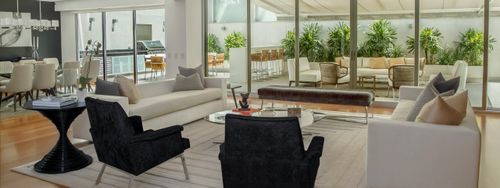
Australia Minimalist Furniture Market Report 2026
Created by SourceReady AI agent·2026-5-25
Australia Minimalist Furniture Market Report 2026
Executive Summary
The Australian minimalist furniture market is experiencing a significant transformation in 2026, moving away from stark, cold aesthetics toward "Warm Minimalism" and "Midimalism" — styles that retain clean lines while incorporating soft textures, natural materials, and lived-in comfort. The market is projected to reach approximately AUD 15.2 billion in 2026, driven by rapid urbanization (86% urban population), the permanence of remote work, and growing sustainability consciousness among Millennial and Gen Z consumers.
Key growth drivers include multifunctional furniture for compact urban living, home office solutions (valued at USD 950M), and ethically sourced pieces with long-term durability. Vietnam dominates furniture imports to Australia with USD 27.1 million in shipments (Jan 2025-May 2026), representing over 93% of tracked import value.
Market Size & Growth Projections
The Australian furniture market is in a robust expansion phase, with multiple segments showing strong momentum:
| Segment | 2026 Value | Growth Context |
|---|---|---|
| Total Furniture Market | ~AUD 15.2 Billion | Trajectory to AUD 22.72B by 2035 |
| Home Office Furniture | ~USD 950 Million | CAGR of 4.66% through 2034 |
| Online Market Share | ~11.5% | Projected to reach 13.73% by 2029 |
The home furniture segment is the primary growth engine, fueled by fundamental shifts in how Australians invest in their living spaces. Online sales are growing at a CAGR of 8.5%, making digital tools like AR visualization increasingly critical for retailers.
Design Evolution: From Stark to Warm Minimalism
The Core Aesthetic Shift
2026 marks a departure from the sterile, high-gloss minimalism of previous years. Australian consumers now seek "New Scandinavian" and "Warm Minimalism" — styles that prioritize:
Warm Minimalism retains clean lines but incorporates soft textures like bouclé, muted earth tones (sand, taupe, oatmeal), and light woods such as pale oak. This creates spaces that feel personal and tactile rather than clinical.
Midimalism represents a "happy middle ground" between minimalism and maximalism, focusing on curated, thoughtful layering that feels complete and welcoming without clutter.
Quiet Luxury emphasizes understated elegance through high-quality materials — solid timber with gentle imperfections, linen upholstery that softens with age, and craftsmanship over mass production.
Material & Form Preferences
| Design Element | 2026 Preference | Consumer Driver |
|---|---|---|
| Shapes | Curved edges, organic forms, rounded sofas | Replaces sharp geometry; creates flow and comfort |
| Materials | Solid timber (oak, walnut), stone, metal, bouclé, linen | Depth through texture vs. high-gloss finishes |
| Colors | Earthy palettes, clay, tonal neutrals | Nature-inspired, timeless aesthetics |
| Customization | Artisan and custom-made pieces | Millennial/Gen Z demand for individual identity |
Japandi style — blending Japanese minimalism with Scandinavian functionality — saw search volume surge 105% year-over-year, indicating strong consumer appetite for low-profile designs, matte timber, and visible craftsmanship.
Trade & Import Analysis
Country of Origin Dominance
Furniture imports to Australia (Jan 2025 - May 2026) show clear concentration in Southeast Asian manufacturing:
| Origin Country | Import Value (USD) | Shipment Count | Market Share |
|---|---|---|---|
| Vietnam | $27,123,425 | 13,992 | 93.3% |
| Philippines | $1,043,384 | 60 | 3.6% |
| Australia (re-imports) | $208,958 | 187 | 0.7% |
| Sri Lanka | $125,149 | 74 | 0.4% |
| Iran | $62,788 | 3 | 0.2% |
Vietnam is the overwhelming leader, accounting for over 93% of tracked furniture import value to Australia. This reflects the country's established manufacturing infrastructure and competitive pricing for wood and metal furniture.
Top Vietnamese Exporters to Australia
The leading Vietnamese suppliers shipping furniture to Australia (2025-2026) include:
| Exporter | Total Value (USD) | Shipments |
|---|---|---|
| Cong Ty TNHH Dung Khanh | $2,407,894 | 1,657 |
| Cong Ty Co Phan Do Dung Gia Dinh Viet Nam | $1,590,460 | 716 |
| Cong Ty TNHH Scancom Viet Nam | $1,015,004 | 204 |
| Cong Ty Co Phan Son Viet UC | $918,729 | 600 |
| Portland Furniture Corporation | $869,082 | 595 |
These manufacturers demonstrate consistent, high-volume export capabilities, making them strategic partners for Australian retailers seeking reliable minimalist furniture suppliers.
Import Seasonality
Monthly shipment data reveals clear seasonal patterns:
Peak import periods: June-September 2024 (winter stock-up), with August 2024 hitting USD 9.4M in a single month. January and June 2025 also showed strong import activity (USD 4.7M and USD 4.4M respectively), likely tied to retail planning for mid-year and end-of-year sales cycles.
Low periods: November-December and February see reduced shipment volumes, reflecting holiday slowdowns and post-peak inventory management.
Consumer Demand Signals
Keyword & Search Trends
Analysis of Australian search behavior reveals specific demand patterns within the minimalist furniture category:
| Search Term | Trend Score | Market Insight |
|---|---|---|
| Japandi furniture australia | 95 | High growth in Japanese-Scandinavian fusion |
| Fluted front nightstand | 88 | Texture detail commands price premium |
| Narrow bedside table with charging station | 84 | Functionality integration is critical |
| Scandinavian bedside table australia | 82 | Core minimalist aesthetic remains strong |
| Acrylic side table with storage | 72 | Opportunity gap in specialty materials |
Key takeaway: Consumers are not searching for generic "minimalist furniture" — they want specific functional integrations (charging stations, storage) and tactile details (fluted fronts, mixed materials). This suggests opportunities for differentiated SKUs rather than basic minimalist designs.
Strategic Imperatives for 2026
1. Multifunctional Design for Urban Living
With 86% of Australians living in urban areas, compact living spaces in Sydney, Melbourne, and Brisbane drive demand for:
- Storage-integrated seating (ottomans with hidden compartments)
- Extendable dining tables that adapt to small apartments
- Modular sofas that can be reconfigured as needs change
- Wall-mounted desks and folding work surfaces
This is not optional — it is a market requirement for success in Australia's major population centers.
2. Home Office as a Permanent Category
Remote work has transitioned from temporary to structural. Consumers need:
- Professional aesthetics: Clean lines and neutral colors suitable for video conferencing backgrounds
- Invisible ergonomics: Height-adjustable desks and lumbar-support chairs that maintain a residential look
- Compact footprints: Slimline designs that maximize utility without dominating living spaces
The home office furniture segment is projected to reach USD 950 million in 2026, making it a critical growth vertical.
3. Sustainability as Table Stakes
Eco-consciousness is no longer niche — it is a baseline expectation:
- Materials: FSC-certified timber, bamboo, rattan, recycled plastics
- Longevity: Rejection of "fast furniture" in favor of pieces with 10-15 year warranties
- Local sourcing: Australian-made credentials reduce environmental impact and offer shorter lead times
Younger demographics (Millennials and Gen Z) are willing to pay premium prices for ethically sourced, durable furniture that aligns with their values.
4. Digital Experience Enhancement
With online sales growing at 8.5% CAGR, retailers must invest in:
- AR/VR visualization tools to help buyers see how pieces fit in their spaces
- 3D product configurators for customizable modular systems
- Detailed material storytelling (origin, craftsmanship, sustainability credentials)
Digital tools are becoming "table stakes" for competitive positioning in the Australian market.
Product Opportunity Recommendations
Based on identified trends and consumer demand signals, the following product categories represent high-potential opportunities for 2026:
1. Warm Minimalist Sofas
Reflecting the major shift from stark minimalism to warm, tactile designs, curved sofas in bouclé fabric capture consumer desire for inviting, comfortable living room furniture that maintains clean lines.
2. Japandi Coffee Tables
With Japandi searches surging 105%, low-profile coffee tables in light, matte-finish timber align with this trend's emphasis on craftsmanship, natural materials, and calm aesthetics.
3. Multifunctional Storage Solutions
Driven by urbanization and compact living, modular storage consoles that double as desks meet demand for smart, space-saving furniture that adapts to multiple uses.
4. Sustainable Timber Dining Furniture
The move toward "quiet luxury" and sustainability creates opportunity for solid timber dining tables with visible grain and natural imperfections — pieces that reject fast furniture in favor of longevity.
5. Coastal-Inspired Armchairs
Reflecting Australia's coastal lifestyle, rattan and linen armchairs embody relaxed, natural textures and understated elegance that resonate with the "lived-in minimalism" trend.
6. Modular Sofas with Storage
Urban consumers seek modular sofas with hidden storage that adapt to smaller living spaces without sacrificing style — a direct response to apartment living constraints.
7. Curved Organic Seating
The shift to softer, sculptural forms makes curved bouclé armchairs a strong opportunity, moving beyond rigid geometry to create welcoming, comfortable spaces.
8. Reclaimed Hardwood Dining Tables
Sustainability-conscious consumers value reclaimed Australian hardwood dining tables that support local makers, reduce environmental impact, and offer unique character.
9. Compact Home Office Furniture
With remote work normalized, slimline ergonomic office chairs that maximize utility in small footprints while maintaining minimalist aesthetics are in sustained demand.
10. Scandinavian Oak Sideboards
The enduring popularity of Scandinavian design makes oak sideboards with clean lines and functional design timeless pieces that resonate with Australian preferences.
Conclusion & Outlook
The Australian minimalist furniture market in 2026 is defined by humanized minimalism — designs that maintain clean aesthetics while prioritizing comfort, functionality, and sustainability. Brands that succeed will offer multifunctional pieces for compact living, invest in digital visualization tools, and communicate authentic sustainability credentials.
Vietnam's manufacturing dominance provides a reliable supply base, but there is growing consumer interest in Australian-made alternatives that reduce carbon footprints and support local craftsmanship. The market is mature enough to support premium pricing for differentiated, high-quality products — but only if they deliver tangible functional benefits or ethical value propositions.
Key success factors: Customization options, tactile material experiences, AR-enabled online shopping, and genuine commitment to "slow furniture" that lasts a decade or more.