Germany Wellness Technology Market Report 2026
Created by SourceReady AI agent·2026-6-5
Germany Wellness Technology Market Report 2026
Executive Summary
The German wellness technology market stands as Europe's leading health tech ecosystem in 2026, valued at approximately €15.5 billion for the broader digital health and wellness sector. With a robust annual growth rate of 8.5-11% CAGR, Germany has transformed from a market of early adopters to mainstream integration of wellness devices across all demographics. This report examines the market landscape, emerging trends, key product categories, and the supplier ecosystem serving this critical European market.
Market Overview and Size
Germany's wellness technology market has reached a mature phase characterized by several key metrics:
| Metric | 2026 Value | Growth Rate | Key Driver |
|---|---|---|---|
| Total Digital Health/Wellness Market | €15.5 Billion | 8.5-11% CAGR | Integration with statutory health insurance |
| Wellness Device Market | €1.5-1.7 Billion | 5-7% CAGR | Medical-grade device adoption |
| User Penetration | 45% of population | — | Normalization across all age groups |
| Smart Fitness Segment | Part of $9.5B tracker market by 2030 | 11% CAGR | AI-driven coaching adoption |
The market's growth is underpinned by three foundational pillars:
-
Legislative Support: The Digital Healthcare Act (DVG) and Health Data Use Act mandate electronic patient records (ePA) and enable doctors to prescribe reimbursable digital health applications (DiGAs)
-
Demographic Pressure: An aging population is driving demand for continuous remote monitoring and chronic disease management tools
-
Cultural Shift: German consumers are prioritizing "Vorsorge" (preventative care) over reactive treatment, creating sustained demand for proactive health monitoring
Key Market Trends for 2026
The "Medicalization" of Wellness
The distinction between consumer wellness gadgets and medical devices has effectively disappeared. German consumers in 2026 demand devices offering:
- ECG and blood pressure monitoring as standard features in mid-to-high-end wearables
- DiGA integration allowing wellness apps to transition into prescribed, insurance-reimbursable applications
- Clinical-grade accuracy with medical device certification (CE, MDR compliance)
This shift reflects German consumers' preference for "proven technology" over lifestyle branding—devices must demonstrate scientific validation and precision engineering.
AI-Driven Hyper-Personalization
Generic health advice has been replaced by AI models analyzing biometric data in real-time:
- Predictive analytics systems warn users of potential burnout or illness before symptoms manifest
- Nutrigenomics applications sync with wearable data to provide personalized nutrition plans based on metabolic responses
- Readiness scores combine heart rate variability (HRV), previous day's exertion, and sleep quality to suggest specific workout intensities
Mental Health and "SleepTech" Emergence
Mental well-being has become a primary pillar of the German wellness market, with sleep tracking emerging as a critical category:
- Circadian lighting systems adjust home lighting to support natural sleep-wake cycles
- HRV-based stress management triggers guided meditation during high-stress periods
- Non-wearable sleep monitoring devices (under-mattress sensors, bedside analyzers) provide detailed sleep data without the discomfort of wrist-worn devices
Corporate Wellness 2.0
German employers are investing heavily in wellness technology to combat rising sick leave costs. By 2026, corporate health platforms featuring gamified fitness and remote mental health support have become standard employee benefits.
Trending Product Categories
Research into German consumer search behavior and market interest reveals five high-momentum product categories:
1. Smart Ring Health Trackers (Trend Score: 95)
Smart rings have overtaken traditional wrist-worn trackers in trend momentum, offering discreet, comfortable alternatives for continuous monitoring of activity, sleep, and recovery metrics. These devices appeal to German consumers seeking "invisible" wellness technology.
2. Sleep Tracking Mats - Non-Wearable (Trend Score: 88)
Passive sleep monitoring solutions placed under mattresses or on bedside tables address the market segment uncomfortable with wearing devices during sleep. These systems provide detailed analysis of sleep cycles, respiratory rate, and body temperature.
3. Red Light Therapy Panels for Home Use (Trend Score: 82)
Red light therapy has gained traction among premium consumers interested in biohacking and recovery optimization, representing the market's shift toward sophisticated home wellness infrastructure.
4. HRV Coherence Biofeedback Devices (Trend Score: 75)
Heart Rate Variability monitoring devices that provide real-time biofeedback for stress management reflect the German market's preference for science-backed, measurable wellness interventions.
5. Microcurrent Facial Devices with LED Therapy (Trend Score: 78)
The intersection of beauty and wellness technology, these devices represent the premium segment of the market focused on holistic self-care.
Supplier Landscape
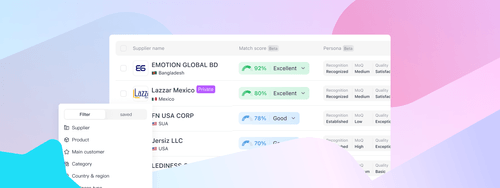
Our analysis identified 90 suppliers capable of serving the German wellness technology market, with 10 suppliers achieving perfect match scores based on product alignment and export capability to Germany.
Top Wellness Technology Suppliers for Germany
Supplier Analysis Insights
The supplier landscape reveals several important patterns:
Manufacturing Base: The majority of wellness technology suppliers are based in Shenzhen, China, reflecting the global electronics manufacturing hub's dominance in smart wearables and health monitoring devices. Key Chinese suppliers include:
- Shenzhen KYBOTON Technology Co., Ltd. - Specializing in smartwatches with ECG/heart rate monitoring
- Shenzhen Maxtop Digital Technology Co., Ltd. - Large-scale manufacturer with 300 employees and 3M+ unit annual capacity
- Shenzhen Kingstar Industrial Co., Ltd. - Multi-category supplier with global subsidiaries in US, UK, Japan, and Germany
German Domestic Suppliers: Several German companies offer specialized, high-value wellness technology:
- INSIGHT INSTRUMENTS DR. KROPFREITER - Professional biofeedback and neurofeedback systems serving 1,000+ clinics
- SEMIC RF Electronic GmbH - AI-powered medical software including SEMIC Health® diagnostic systems
- Wegamed GmbH - Holistic diagnostic and therapeutic solutions with FDA and CE certifications
- AXION GMBH - TENS/EMS devices and therapy tables for professional medical settings
European Presence: Garmin (Europe) Limited, based in the UK, represents established multinational brands serving the German market with premium multisport smartwatches and fitness technology.
Trade Data: Top Exporters to Germany (2024-2025)
Customs data analysis reveals the actual flow of wellness and health monitoring devices into Germany:
| Rank | Exporter | Shipment Count | Total CIF Value (USD) |
|---|---|---|---|
| 1 | RAIYAN KNIT COMPOSITE LIMITED | 25 | $856,472 |
| 2 | LIBERMANN INTERNATIONAL | 25 | $725,954 |
| 3 | SHENZHEN HONGWANXING TECHNOLOGY CO LTD | 42 | $595,075 |
| 4 | EUROTEX KNITWEAR LTD | 17 | $503,759 |
| 5 | EHSAN GARMENTS LTD | 2 | $445,594 |
Note: The presence of garment manufacturers in top positions suggests these shipments may include smart textiles and e-textiles for health monitoring applications, representing an emerging category in the wellness technology space.
Strategic Recommendations
For Market Entrants and Manufacturers
1. DiGA Certification is Essential: Products targeting the German market should pursue qualification as Digital Health Applications (DiGA) to enable prescription and insurance reimbursement. This is no longer optional but a competitive necessity.
2. GDPR Compliance and Data Privacy: German consumers prioritize data security above almost all other factors. Marketing must emphasize local data storage options, transparent privacy policies, and compliance with EU Medical Device Regulation (MDR).
3. Localization Beyond Translation: German users expect interfaces and support in German, with emphasis on "Technik" (technical precision) rather than lifestyle branding. Sustainability credentials—including right-to-repair and recycled materials—are significant purchasing factors in 2026.
4. Integration with Healthcare Infrastructure: Seamless integration with ePA (Electronic Patient Record) systems and the ability to share data with physicians is critical for medical-grade wellness devices.
For Investors and Distributors
1. Silver Tech Opportunity: The most significant growth opportunities lie in technology designed for Germany's aging population—remote monitoring, fall detection, and independent living support systems.
2. Recovery and Biohacking Premium Segment: High-end recovery technology (infrared saunas, cryotherapy, PEMF devices) and biohacking tools represent a profitable premium segment willing to invest in home wellness infrastructure.
3. Omnichannel Retail Strategy: Successful market entry requires physical "experience centers" where consumers can test high-end equipment, combined with seamless digital ecosystems and app integration.
Conclusion
The German wellness technology market in 2026 is defined by precision, prevention, and privacy. The ecosystem has matured beyond simple data collection to provide actionable, medically-backed insights that improve long-term quality of life across all demographics.
With the market reaching 45% user penetration and strong legislative support for digital health integration, Germany represents Europe's most sophisticated and demanding wellness technology market. Success requires not just innovative products, but deep integration with the German healthcare system, unwavering commitment to data privacy, and clinical-grade accuracy that meets the high technical standards German consumers expect.
The shift from "quantified self" to "qualified health" means that 2026 is the year when wellness technology fully transitions from consumer gadgets to legitimate healthcare infrastructure—and Germany is leading this transformation in Europe.