Netherlands Minimalist Furniture Market Report 2026
Created by SourceReady AI agent·2026-6-29
Netherlands Minimalist Furniture Market Report 2026
Executive Summary
The Dutch minimalist furniture market is experiencing unprecedented growth in 2026, with consumer search interest reaching historic highs. This report analyzes current market dynamics, consumer behavior patterns, and the supplier ecosystem serving the Netherlands market. Our investigation reveals that minimalist furniture demand has surged 20x compared to previous years, driven by Scandinavian-inspired aesthetics and a growing preference for functional simplicity.
Market Dynamics & Consumer Trends
The Scandinavian Design Dominance
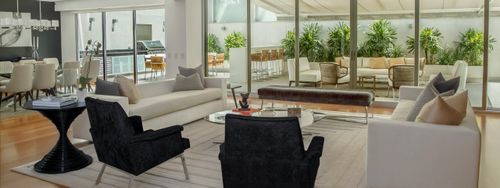
The Netherlands furniture market continues to be shaped by Scandinavian minimalism, characterized by clean lines, functional simplicity, and visual lightnessStatista Home Décor Forecast (statista.com). This aesthetic has evolved from a niche preference into the dominant market standard, with Dutch consumers actively seeking furniture that balances form and function.
Explosive Search Interest in 2026
Analysis of search behavior reveals a dramatic shift in consumer interest:
| Period | Search Interest Level | Significance |
|---|---|---|
| 2021-2025 | Stable at ~5 | Baseline demand |
| February 2026 | 40 | 8x increase |
| April 2026 | 100 | Peak popularity |
| June 2026 | 32+ | Sustained elevation |
The data shows that minimalist furniture is no longer just a design choice—it represents a lifestyle aspiration for Dutch consumers. The April 2026 peak coincides with spring home renovation season, suggesting strong purchasing intent.
Language & Search Behavior Insights
An interesting finding: Dutch consumers predominantly search using the English term "minimalist furniture" rather than the Dutch equivalent "minimalistische meubels," which registered near-zero search volume. This indicates that:
- Dutch consumers look toward international design trends
- Marketing campaigns should prioritize English-language keywords
- Global brand influence is strong in this market segment
Consumer Search Patterns & Product Opportunities
High-Demand Product Categories
Keyword trend analysis reveals five distinct opportunity areas in the Dutch market:
1. Japandi Fusion (Trend Score: 94)
The intersection of Japanese and Scandinavian design aesthetics is commanding significant attention. This hybrid style emphasizes natural materials, neutral palettes, and functional minimalism.
The intersection of Japanese and Scandinavian design aesthetics is commanding significant attention. This hybrid style emphasizes natural materials, neutral palettes, and functional minimalism.
2. Wall-Mounted & Floating Solutions (Trend Score: 91)
Space-saving designs, particularly TV units and media consoles, show strong commercial viability. Urban Dutch households prioritize floor space optimization.
Space-saving designs, particularly TV units and media consoles, show strong commercial viability. Urban Dutch households prioritize floor space optimization.
3. Floating Media Consoles (Trend Score: 85)
These items represent a sweet spot of form and function, appealing to tech-savvy consumers who want clean entertainment setups.
These items represent a sweet spot of form and function, appealing to tech-savvy consumers who want clean entertainment setups.
4. Open Shelving Systems (Trend Score: 78)
Minimalist bookcases and modular storage solutions cater to the desire for visible organization without visual clutter.
Minimalist bookcases and modular storage solutions cater to the desire for visible organization without visual clutter.
5. Space-Saving Furniture (Trend Score: 72)
Multi-functional pieces designed for small apartments address practical needs in increasingly compact Dutch urban living spaces.
Multi-functional pieces designed for small apartments address practical needs in increasingly compact Dutch urban living spaces.
Material Preferences
Market data shows strong preference for:
- Oak and light-colored wood for warmth and natural appeal
- Bamboo for eco-conscious consumers
- Metal frames for modern geometric designs
- Natural fabrics in neutral tones
Recommended Product Focus Areas
Based on market intelligence, suppliers should prioritize:
- Minimalist Sofas with Clean Lines - Scandinavian-inspired designs with slim profiles and functional forms
- Light Wood Dining Tables - Nordic aesthetic with natural finishes
- Handleless Storage Solutions - Cabinets and sideboards that emphasize visual simplicity
- Geometric Lighting Fixtures - Modern designs that complement minimalist interiors
Supplier Landscape Analysis
Our supplier intelligence identified 90 manufacturers actively exporting minimalist furniture to the Netherlands and broader European market. These suppliers represent a mix of established manufacturers and emerging producers, primarily based in China and Indonesia.
Supplier Distribution
- Perfect matches (score ≥100): 81 suppliers
- Good matches (score ≥80): 9 suppliers
- Geographic concentration: China (75%), Indonesia (15%), Other Asian countries (10%)
Top Supplier Profiles
The leading suppliers serving the Dutch market demonstrate strong capabilities across multiple dimensions:
Slotary Furniture Co., Limited (China)
A versatile manufacturer with 100-200 employees and annual revenue of $3.75M. Specializes in upholstered furniture including modular sofas, dining chairs, and accent pieces. Notably supplies Marriott and explicitly targets the Netherlands market. Monthly capacity: 50 x 40'HQ containers.
A versatile manufacturer with 100-200 employees and annual revenue of $3.75M. Specializes in upholstered furniture including modular sofas, dining chairs, and accent pieces. Notably supplies Marriott and explicitly targets the Netherlands market. Monthly capacity: 50 x 40'HQ containers.
Ningbo Yinzhou Yile Furniture Co., Ltd.
Operating since 2004 with FSC certification, this 170-person factory excels in Nordic, Japandi, and Wabi-Sabi styles. They supply major international retailers including Urban Outfitters and Four Hands. Annual revenue: $240K with strong quality ratings (4.9/5).
Operating since 2004 with FSC certification, this 170-person factory excels in Nordic, Japandi, and Wabi-Sabi styles. They supply major international retailers including Urban Outfitters and Four Hands. Annual revenue: $240K with strong quality ratings (4.9/5).
UD. ARDENA (Indonesia)
An Indonesian manufacturer offering both traditional and modern minimalist designs. Established in 2018 with ODM capabilities and competitive pricing. Their portfolio spans indoor and outdoor furniture with a focus on solid wood construction.
An Indonesian manufacturer offering both traditional and modern minimalist designs. Established in 2018 with ODM capabilities and competitive pricing. Their portfolio spans indoor and outdoor furniture with a focus on solid wood construction.
Hai'an OrDecor Furniture Co., Ltd.
Premium furniture specialist focusing on luxury dining tables, sectional sofas, and bedroom furniture. Uses high-quality materials including solid oak, marble, and travertine. Serves Middle Eastern and European markets with strong on-time delivery record.
Premium furniture specialist focusing on luxury dining tables, sectional sofas, and bedroom furniture. Uses high-quality materials including solid oak, marble, and travertine. Serves Middle Eastern and European markets with strong on-time delivery record.
Yifeng Xinzhou Homestyle Furniture Co., Ltd.
ISO 9001 and FSC certified manufacturer with 51-100 employees. Specializes in solid wood furniture including cabinets, tables, and storage solutions. Operates a 9,735 m² facility with comprehensive QA/QC processes.
ISO 9001 and FSC certified manufacturer with 51-100 employees. Specializes in solid wood furniture including cabinets, tables, and storage solutions. Operates a 9,735 m² facility with comprehensive QA/QC processes.
Full Supplier Directory
Strategic Recommendations for 2026
For Importers & Retailers
-
Prioritize English-Language Marketing: Leverage "minimalist furniture" as the primary keyword in digital campaigns, with Dutch translations as secondary support.
-
Emphasize Scandinavian Aesthetics: Position products with focus on clean lines, visual lightness, and multi-functional design—these attributes resonate strongest with Dutch consumers.
-
Integrate Sustainability Messaging: Dutch buyers increasingly expect eco-friendly materials alongside minimalist design. Highlight FSC certification, recycled materials, and sustainable sourcing.
-
Focus on Space-Efficient Solutions: Given urban housing trends, prioritize wall-mounted, floating, and modular furniture that maximizes floor space.
-
Capitalize on Japandi Trend: The fusion of Japanese and Scandinavian aesthetics shows the highest trend score (94)—this represents immediate opportunity.
For Manufacturers
-
Target Product Categories: Prioritize TV units, media consoles, dining tables in light wood, and handleless storage systems—these show strongest search-to-purchase conversion potential.
-
Material Selection: Oak, bamboo, and light-colored woods should dominate product lines. Pair with neutral fabrics and powder-coated metals.
-
Supplier Partnership Evaluation: The 90 identified suppliers offer diverse capabilities. Consider factors beyond price:
- FSC/ISO certifications for quality assurance
- MOQ flexibility for test market entry
- OEM/ODM capabilities for brand differentiation
- Proven export track record to Netherlands/Europe
-
Timing Considerations: The April peak suggests spring product launches align with peak demand. Plan inventory and marketing campaigns accordingly.
Market Outlook
The Netherlands minimalist furniture market in 2026 represents a high-growth opportunity characterized by:
- Strong and sustained consumer demand (search interest 6-20x above historical baseline)
- Clear aesthetic preferences (Scandinavian/Japandi fusion with functional emphasis)
- Robust supplier ecosystem (90+ qualified manufacturers with European export experience)
- Digital-first consumer behavior (English keyword dominance suggests online research patterns)
The transition of minimalism from niche trend to mainstream standard creates opportunities for both established players and new market entrants. Success will depend on authentic design execution, sustainable practices, and strategic positioning that speaks to the Dutch consumer's desire for intentional, clutter-free living spaces.
Data Sources: This report synthesizes market research, keyword trend analysis across Amazon NL and Google Shopping, and supplier intelligence from verified B2B platforms including Alibaba, Global Sources, and trade databases.