Thailand has established itself as one of Asia's most reliable manufacturing hubs for home appliances, combining decades of industrial expertise with strong export infrastructure and internationally recognized quality standards. From air conditioners and refrigerators to small kitchen appliances, Thai manufacturers supply products to leading global brands and retailers. If you're looking to diversify your supply chain, reduce sourcing risk, or find experienced OEM and ODM partners, Thailand offers compelling opportunities. This guide explains where Thailand excels, what risks to watch for, and how to build a more efficient sourcing process using modern procurement technology.
There's a better way to source ❤️
Watch the video to see how SourceReady helps brands move from product ideas to trusted supplier relationships faster
Watch the VideoWhy Source Home Appliances from Thailand?
Thailand exports over US$50 billion in electrical and electronic equipment annually, backed by mature factories, strong logistics, and global brand experience.
1. Strong Manufacturing Expertise
Thailand has spent decades developing its appliance manufacturing ecosystem. Many factories have experience producing products for international brands, giving them well-established production processes and quality management systems.
Benefits include:
- Experienced OEM production: Many manufacturers already produce appliances for globally recognized brands.
- Skilled workforce: Workers are experienced in assembling complex electrical products with consistent quality.
- Integrated supply chain: Local access to motors, compressors, electronics, plastics, and metal components reduces sourcing complexity.
- Continuous process improvement: Larger factories often invest in automation and lean manufacturing to improve efficiency.
2. Reliable Export Infrastructure
Thailand is one of Asia's largest exporting economies, with mature logistics networks supporting shipments worldwide.
This provides several advantages:
- Major international ports: Efficient shipping through ports such as Laem Chabang reduces export bottlenecks.
- Global shipping experience: Manufacturers understand documentation, customs procedures, and international logistics.
- Stable transportation network: Well-developed road and freight infrastructure supports reliable factory-to-port movement.
- Broad market access: Suppliers regularly export to North America, Europe, Australia, and other global markets.
3. Higher Quality and Compliance Standards
Many buyers choose Thailand because quality consistency is often more important than securing the absolute lowest manufacturing cost.
Look for suppliers that maintain:
- ISO-certified quality systems: Demonstrates standardized manufacturing processes.
- International product testing: Many factories are familiar with CE, UL, ETL, RoHS, and other regulatory requirements.
- Quality control programs: Multiple inspection stages help reduce defects before shipment.
- Traceability systems: Larger manufacturers can often provide production records and quality documentation.
4. Strong OEM and ODM Capabilities
Thailand is well suited for businesses launching private-label or branded appliance products.
Many manufacturers offer services beyond simple production.
These often include:
- OEM manufacturing: Produce products using your existing designs and specifications.
- ODM development: Customize existing product designs with your branding and features.
- Product engineering: Assist with design modifications and technical improvements.
- Packaging support: Develop retail-ready packaging for international markets.
Which Home Appliances Are Best Manufactured in Thailand?
Thailand manufactures everything from small kitchen appliances to large household equipment. However, certain product categories benefit from particularly mature manufacturing ecosystems and long export histories.
1. Air Conditioners and Cooling Appliances
Thailand is one of the world's leading manufacturing bases for air conditioning equipment. Numerous multinational brands operate production facilities here, creating a strong supplier network.
Popular products include:
- Split-system air conditioners: Widely exported to residential and commercial markets.
- Portable air conditioners: Suitable for retail and private-label programs.
- Air purifiers: Increasing demand has expanded production capacity.
- Dehumidifiers: Often produced alongside climate-control equipment.
2. Refrigerators and Large Household Appliances
Large appliance manufacturing is one of Thailand's strongest industrial sectors.
Common products include:
- Refrigerators: Available across residential and commercial segments.
- Freezers: Chest and upright models for retail and food service.
- Washing machines: Both top-load and front-load designs.
- Water dispensers: Popular for both home and office use.
3. Small Kitchen Appliances
Thailand also manufactures a wide range of countertop electrical appliances for global retailers and private-label brands.
Typical categories include:
- Rice cookers: One of Thailand's most established export products.
- Electric kettles: Produced across multiple quality and pricing tiers.
- Toasters: Available in both OEM and ODM programs.
- Blenders and food processors: Manufactured for both consumer and commercial applications.
4. Household Electrical Products
Beyond kitchen appliances, many factories produce complementary household electronics.
Examples include:
- Electric fans: Floor, pedestal, desk, and industrial models.
- Water heaters: Electric storage and instant water heating systems.
- Vacuum cleaners: Traditional and cordless models.
- Personal care appliances: Hair dryers, steamers, and garment care products.
What Risks Should You Watch for When Sourcing from Thailand?
Thailand is considered a relatively low-risk sourcing destination, but every international procurement project carries potential challenges. Identifying these risks early helps prevent costly delays and quality issues later.
1. Verifying the Actual Manufacturer
Some suppliers market themselves as manufacturers while outsourcing production to third-party factories. This reduces transparency and makes quality control more difficult.
Before placing an order, verify:
- Factory ownership: Confirm whether the supplier owns or leases the production facility.
- Business registration: Request official company registration documents.
- Factory audit reports: Independent audits provide additional confidence.
- Production evidence: Ask for factory photos, videos, or virtual walkthroughs.
2. Managing Product Compliance
Electrical appliances must comply with different safety regulations depending on the destination market.
Key areas to review include:
- Product certifications: Verify certificates are current and issued by accredited organizations.
- Testing reports: Request laboratory reports for applicable standards.
- Voltage compatibility: Confirm products meet the electrical requirements of your target markets.
- Labeling requirements: Ensure packaging and user manuals satisfy local regulations.
3. Understanding Minimum Order Quantities
Thailand generally specializes in medium- to high-volume production. Some factories may not accept small pilot orders.
Discuss expectations early, including:
- MOQ by product: Minimum quantity required for each SKU.
- Customization MOQ: Higher quantities may apply for custom tooling or colors.
- Sample policy: Clarify sample pricing and lead times.
- Trial production: Ask whether limited production runs are available before committing to larger orders.
4. Planning for Lead Times and Capacity
Production schedules can fluctuate depending on seasonality, component availability, and factory utilization.
Reduce delays by confirming:
- Production capacity: Understand monthly manufacturing capability.
- Lead time estimates: Request realistic production schedules rather than optimistic targets.
- Material availability: Check whether critical components have long procurement cycles.
- Production milestones: Schedule regular updates throughout manufacturing to monitor progress.
How Can SourceReady Simplify Supplier Discovery and Evaluation?
Finding suppliers is no longer the hardest part of sourcing—finding the right suppliers is. Procurement teams often spend weeks searching multiple directories, comparing certifications, reviewing factory capabilities, checking trade records, and managing supplier outreach manually. This fragmented process slows decision-making and increases the risk of overlooking qualified manufacturers.
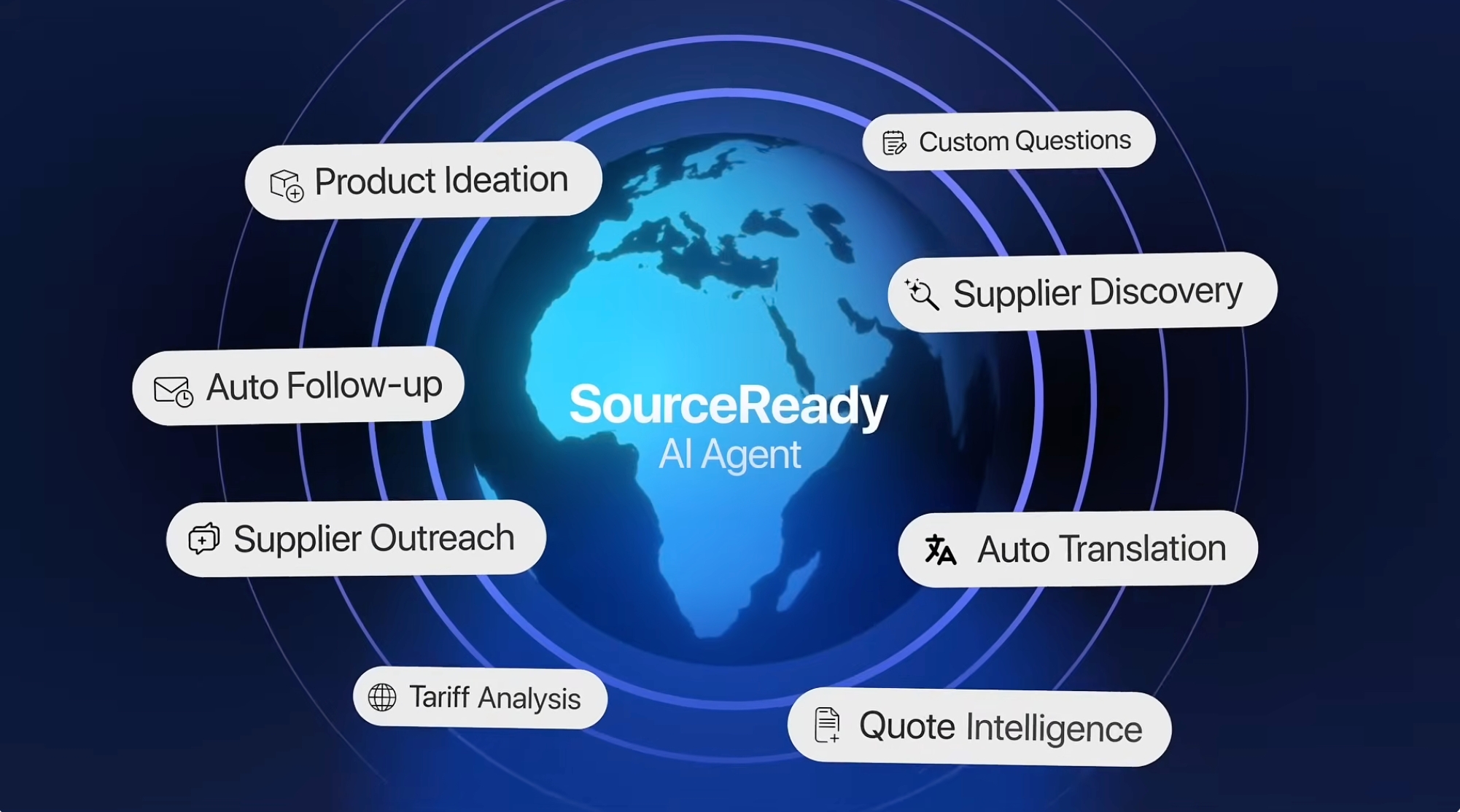
SourceReady brings supplier discovery, market intelligence, and procurement workflows into a single AI-powered platform, helping you evaluate suppliers with greater speed and confidence.
1. Discover Qualified Manufacturers Faster
Instead of searching dozens of websites individually, SourceReady allows you to identify manufacturers using structured supplier data and AI-powered search.
You can quickly evaluate suppliers based on:
- Manufacturing capabilities: Filter suppliers by product categories, production capacity, certifications, and OEM/ODM services.
- Geographic coverage: Compare manufacturers across Thailand and other sourcing countries to diversify your supply chain.
- Industry experience: Identify suppliers serving similar markets or product segments.
- Company profiles: Review factory information, business history, certifications, and operational details in one place.
2. Validate Suppliers with Richer Market Intelligence
Choosing suppliers based solely on company websites rarely provides the complete picture.
SourceReady combines multiple data sources to help you make more informed sourcing decisions.
This includes:
- Import and export records: Understand shipment history and export activity.
- Customer relationships: Identify brands and buyers that suppliers already work with.
- Certification data: Verify quality and compliance credentials.
- Company insights: Access structured information to support supplier evaluation.
3. Compare Suppliers More Efficiently
Shortlisting suppliers often involves endless spreadsheets and manual comparisons.
SourceReady streamlines this process by allowing procurement teams to compare manufacturers using standardized information.
You can review:
- Supplier capabilities: Compare factories side by side using consistent criteria.
- Compliance readiness: Evaluate certifications and export experience.
- Product specialization: Identify manufacturers with proven expertise in your product category.
- Market coverage: Understand each supplier's geographic strengths and customer base.
4. Automate Supplier Outreach
Once you've identified qualified suppliers, SourceReady helps accelerate the engagement process.
Instead of manually sending RFQs one by one, procurement teams can:
- Generate supplier shortlists: Build qualified supplier lists faster with AI assistance.
- Send RFQs at scale: Contact multiple suppliers through standardized workflows.
- Track supplier responses: Manage communication in a centralized workspace.
- Reduce manual work: Spend less time on administrative tasks and more time evaluating suppliers.
By combining supplier intelligence with AI-assisted workflows, SourceReady enables sourcing teams to move from supplier discovery to supplier engagement significantly faster—without compromising due diligence.
Conclusion
Thailand offers an excellent balance of manufacturing capability, product quality, and export experience, making it a strong choice for businesses sourcing home appliances. While supplier verification, compliance, and production planning remain essential, a structured sourcing process can significantly reduce risk and improve long-term supplier performance.
Modern procurement teams are also moving beyond manual supplier research by using AI to accelerate supplier discovery, comparison, and outreach. Platforms like SourceReady help you identify qualified manufacturers faster, evaluate suppliers using comprehensive market intelligence, and streamline sourcing workflows from start to finish.
Looking to source home appliances from Thailand or expand your supplier network? Explore how SourceReady can help you discover, evaluate, and connect with qualified manufacturers more efficiently, so your team can spend less time searching and more time making confident sourcing decisions.
FAQ
1. Can I source private-label home appliances from Thailand?
Yes. Many Thai manufacturers provide OEM (Original Equipment Manufacturing) and ODM (Original Design Manufacturing) services. Depending on the supplier, you may also receive assistance with product customization, packaging design, compliance testing, and product development.
2. Which countries import the most home appliances from Thailand?
Thailand's top export destinations for home appliances are primarily the ASEAN (Southeast Asian) region, the United States, Japan, and the European Union. ASEAN countries collectively account for the largest regional share (over 20%), while the U.S. and Japan are consistently the top single-country importers

Find the sourcing tools you need.
Explore how SourceReady helps you research products, discover suppliers, verify factory information, analyze trade data, and manage your sourcing workflow in one place
Explore Features
Graduating from USC with a background in business and marketing, Judy Chen has spent over a decade working in e-commerce, specializing in sourcing and supplier management. Her experience includes developing strategies to optimize supplier relationships and streamline procurement processes for growing businesses. As SourceReady’s blog writer, Judy leverages her deep understanding of sourcing challenges to create insightful content that helps readers navigate the complexities of global supply chains.