Best Food Packaging Machine Suppliers
Discover leading sourcing options for cutting-edge food packaging machinery, including automated systems, filling technologies, and flexible packaging solutions to enhance your production efficiency.
 Sourcing Guide
When selecting food packaging machinery, start with your product characteristics, packaging format, and production volume. Compare suppliers based on equipment compatibility, operating efficiency, and their ability to provide installation, maintenance, and technical support.
Packaging Compatibility
Product type, packaging materials, sealing methods, and machine configuration.
Production Efficiency
Operating speed, changeover time, and automation capabilities.
After-Sales Support
Installation, operator training, spare parts, and maintenance availability.

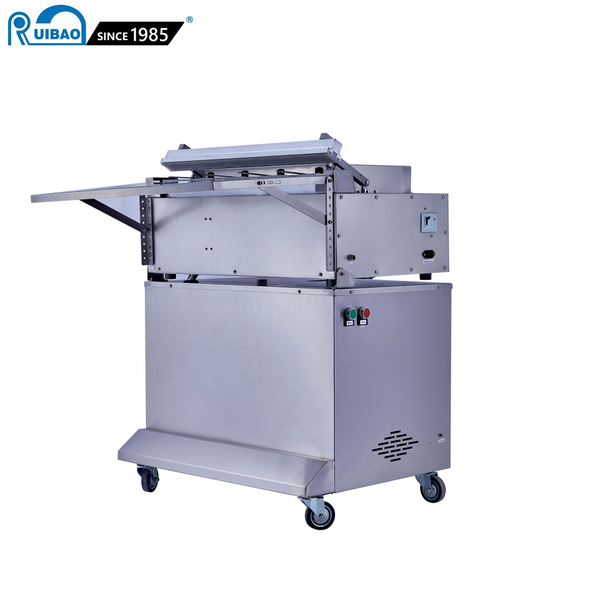
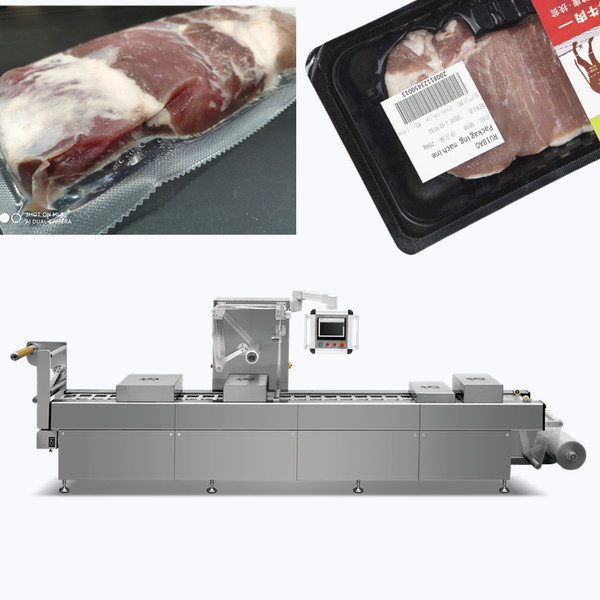
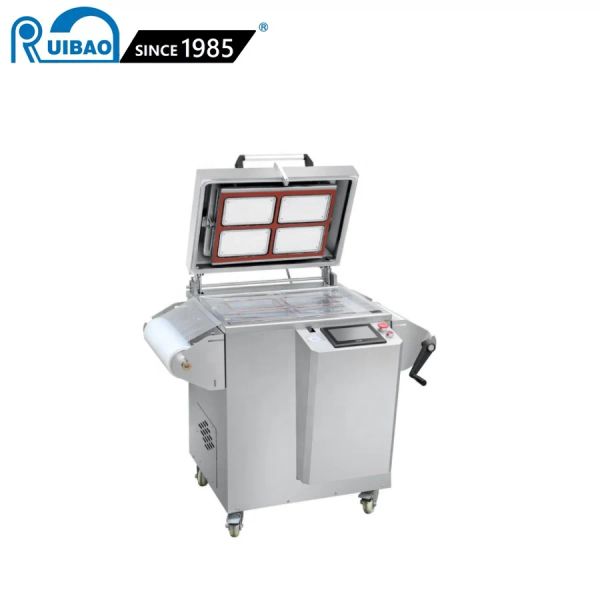
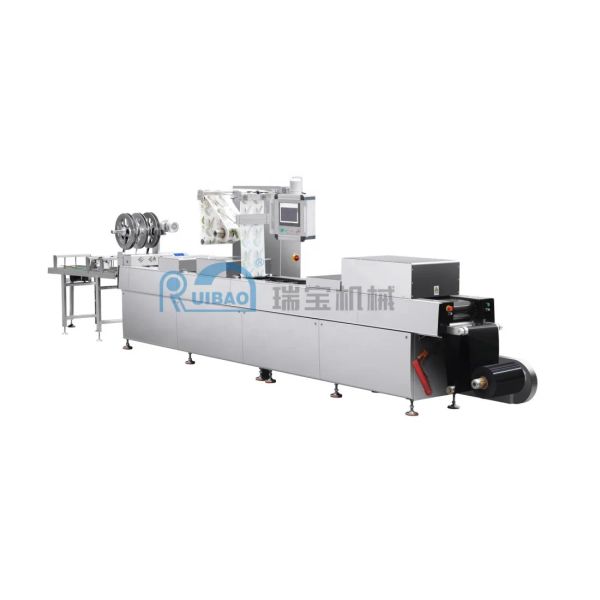
Zhejiang Ruibao Packaging Machine Co., Ltd.
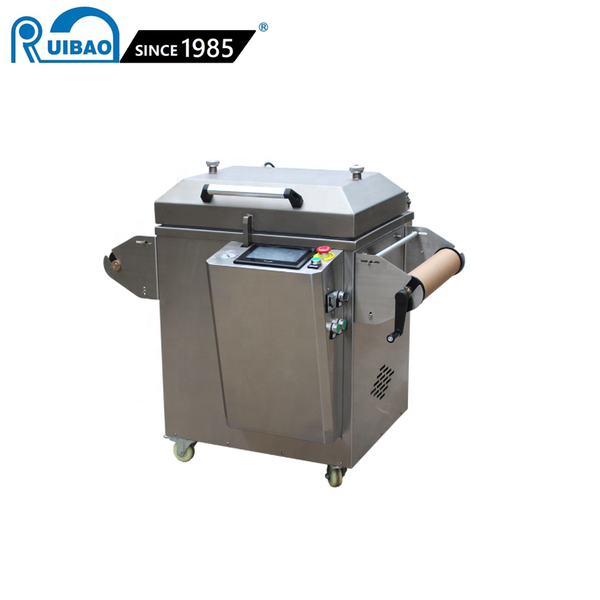
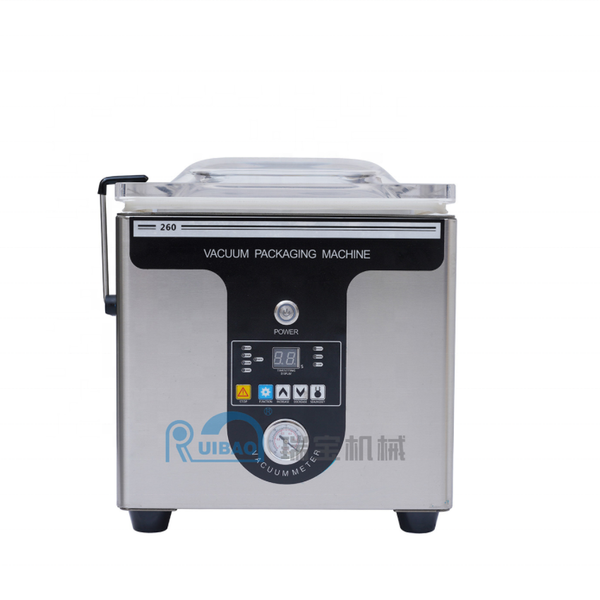
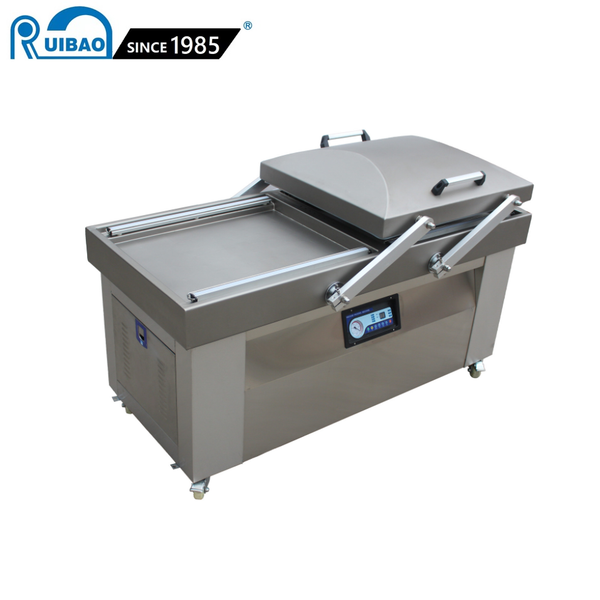
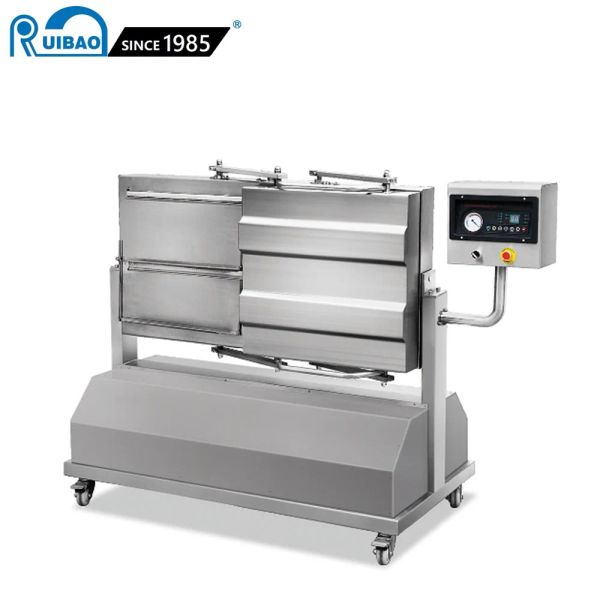
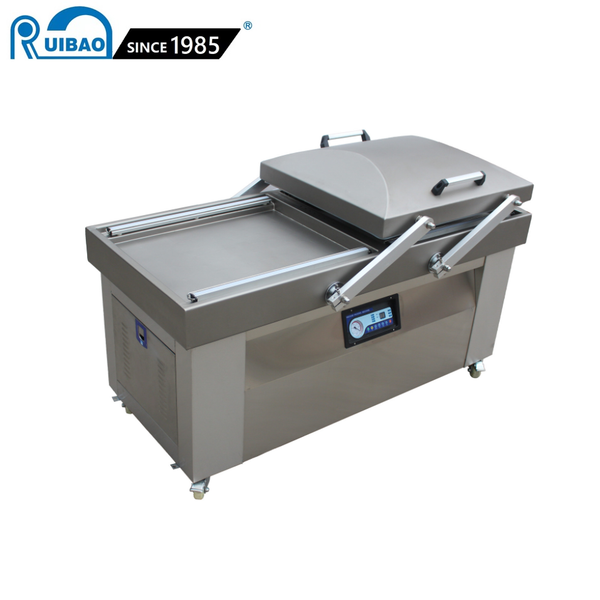
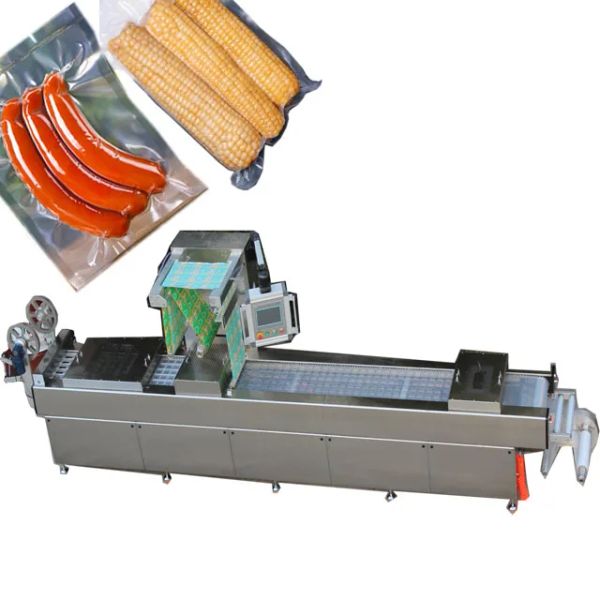
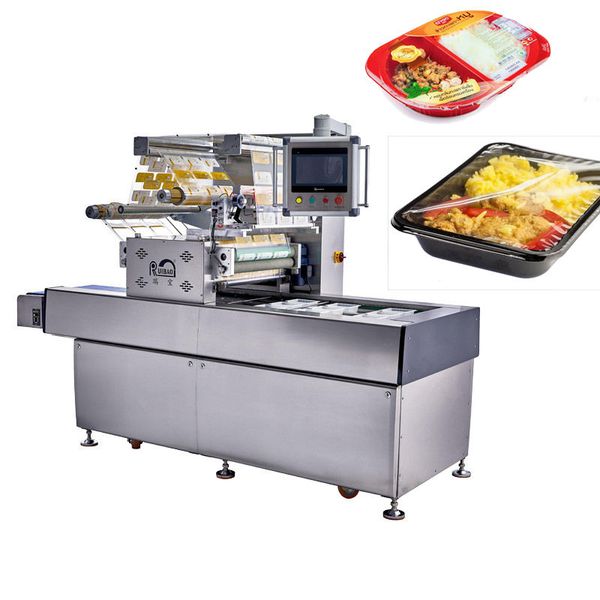
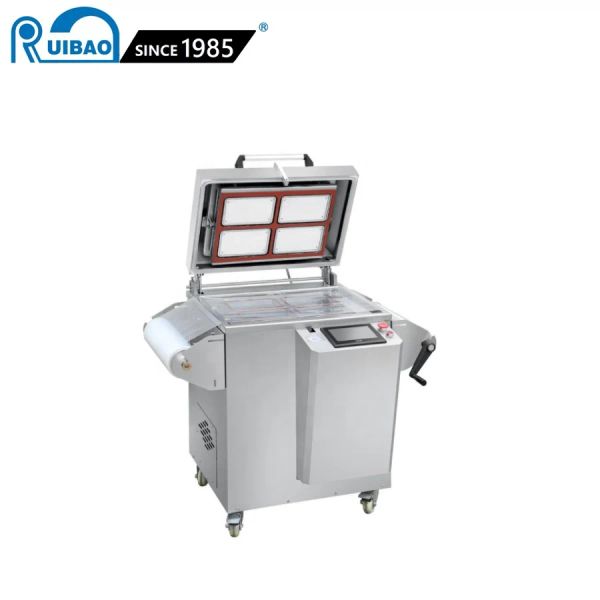
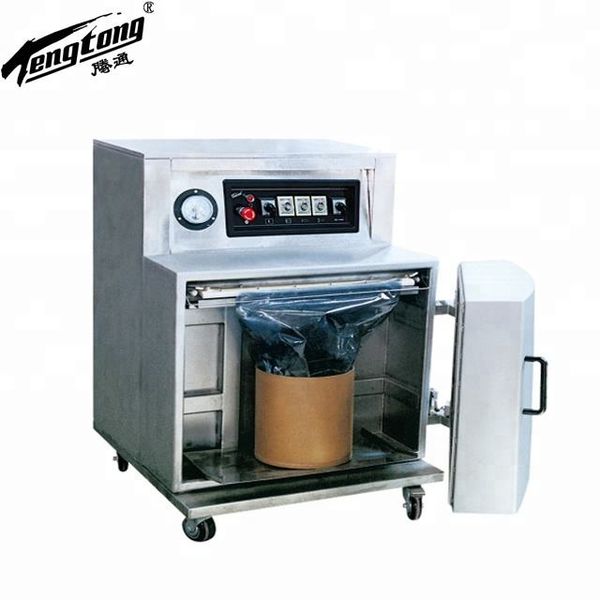
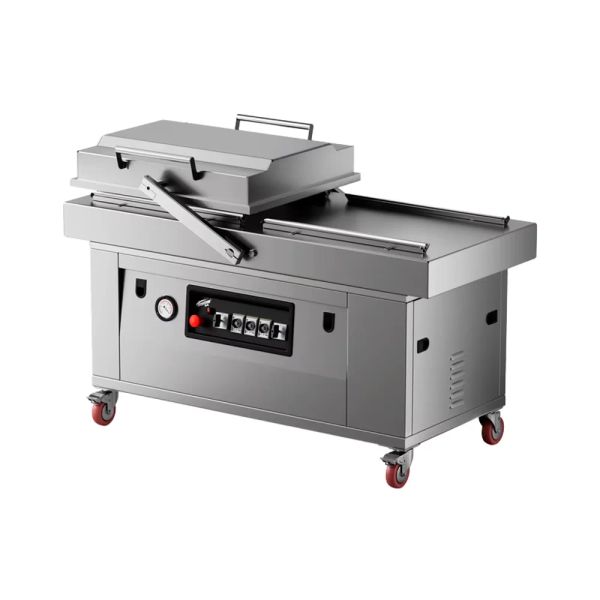
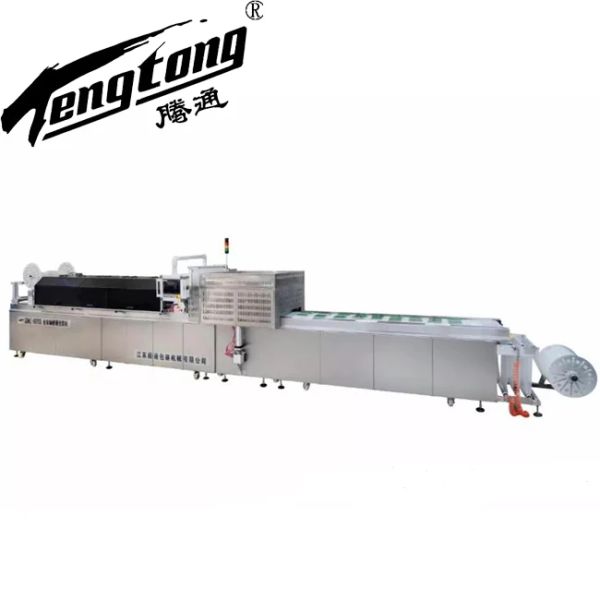
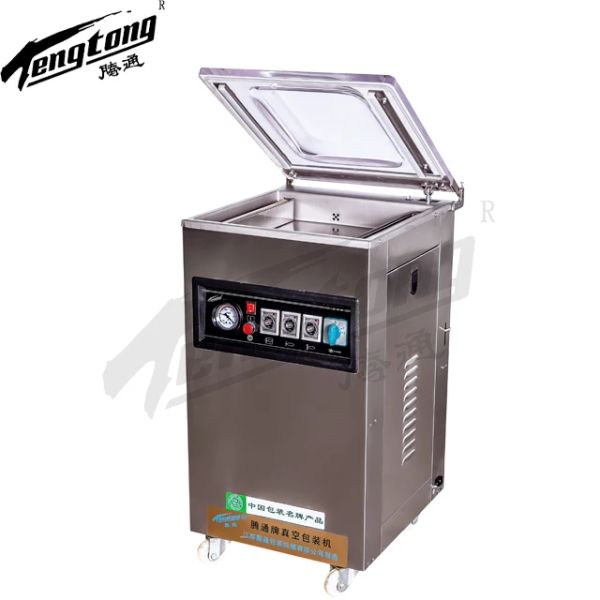
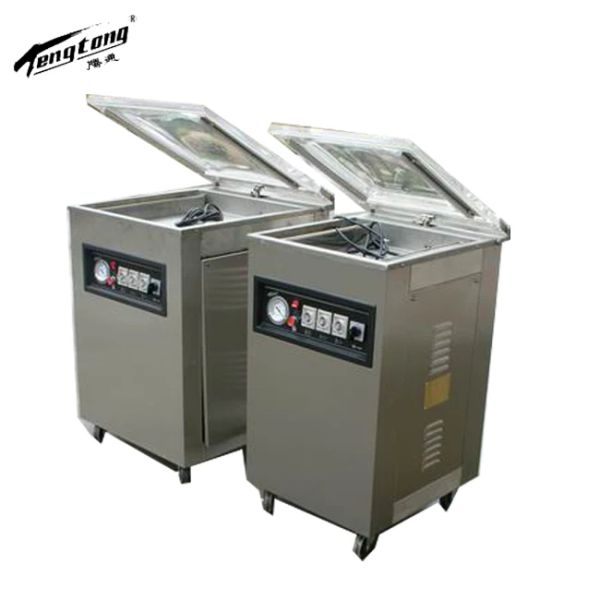
Jiangsu Tengtong Packing Machinery Co., Ltd.
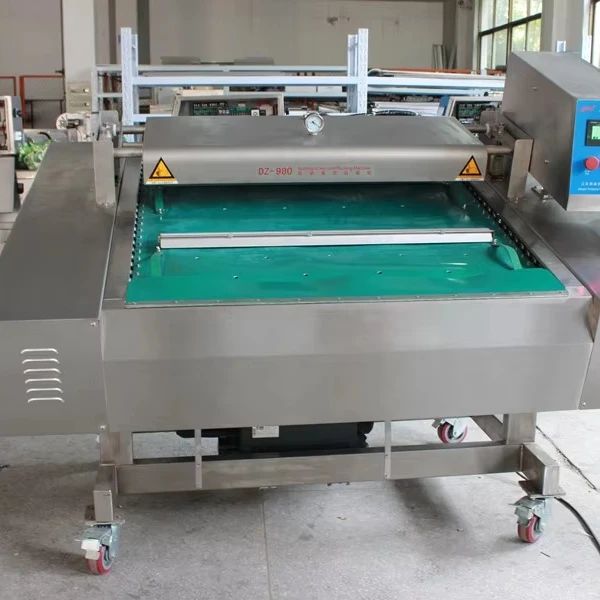

Zhejiang Dongfeng Packing Machine Co., Ltd.
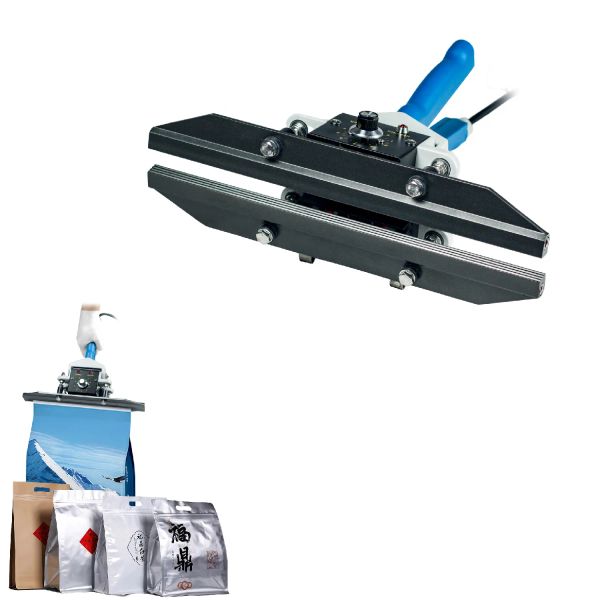
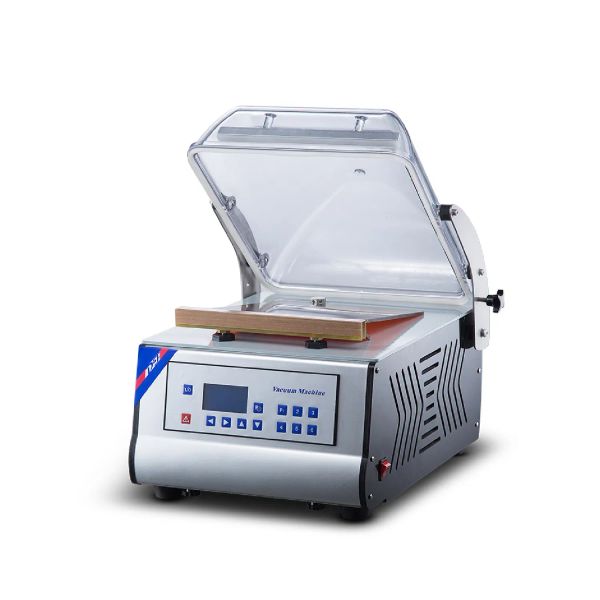
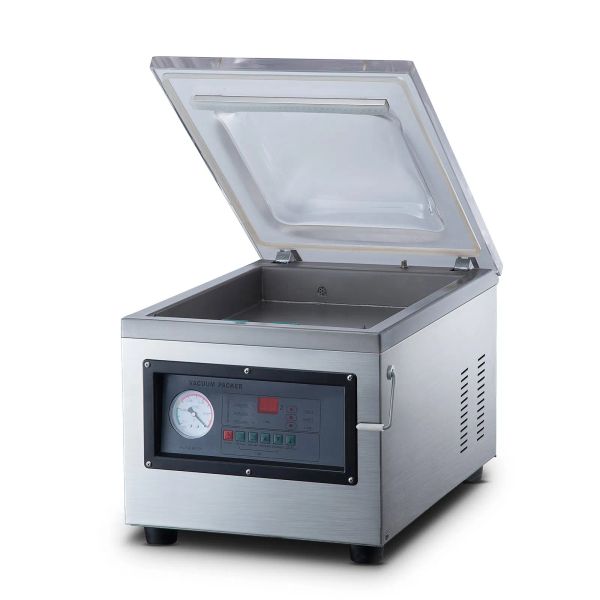
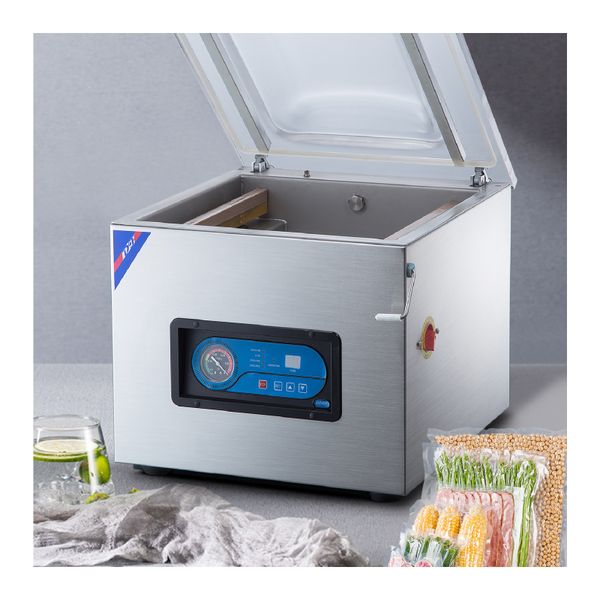
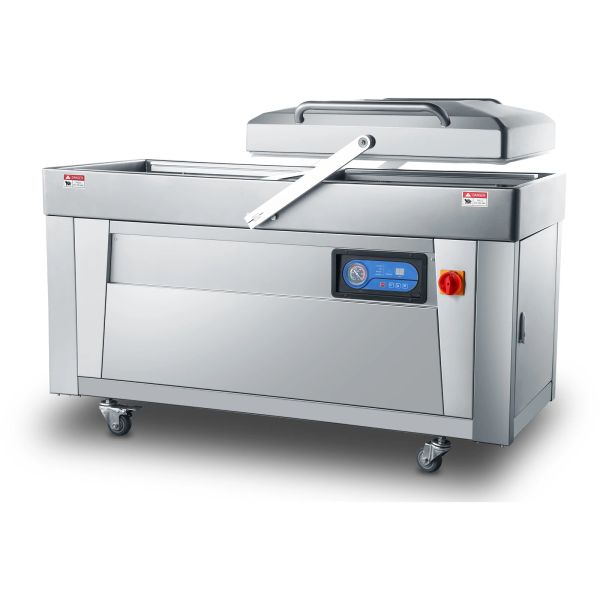
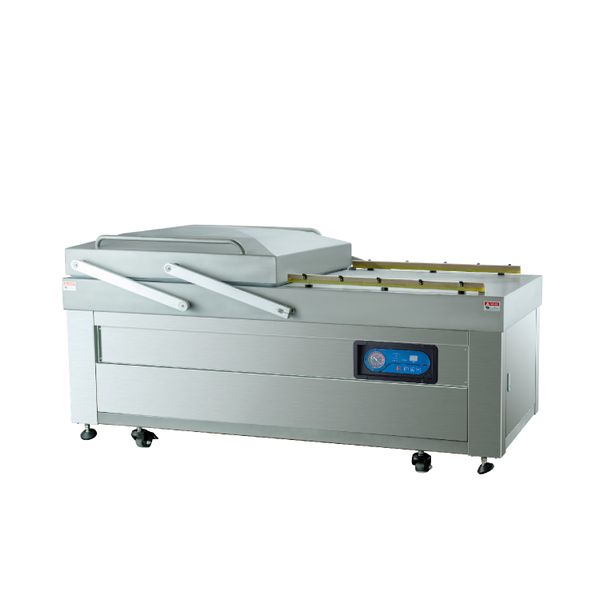
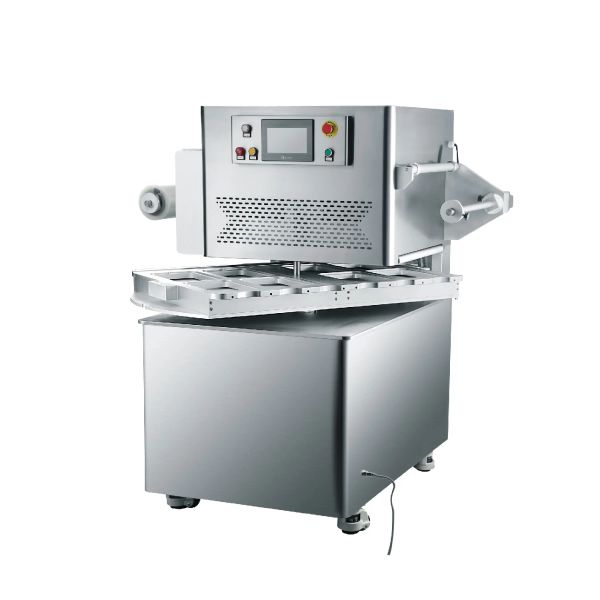
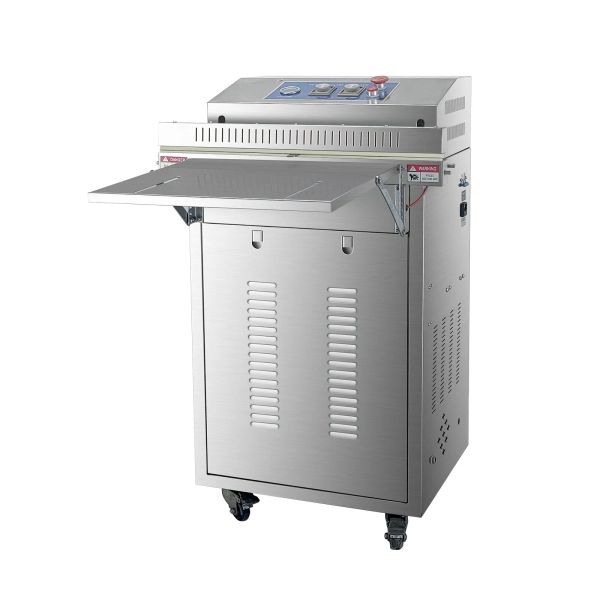
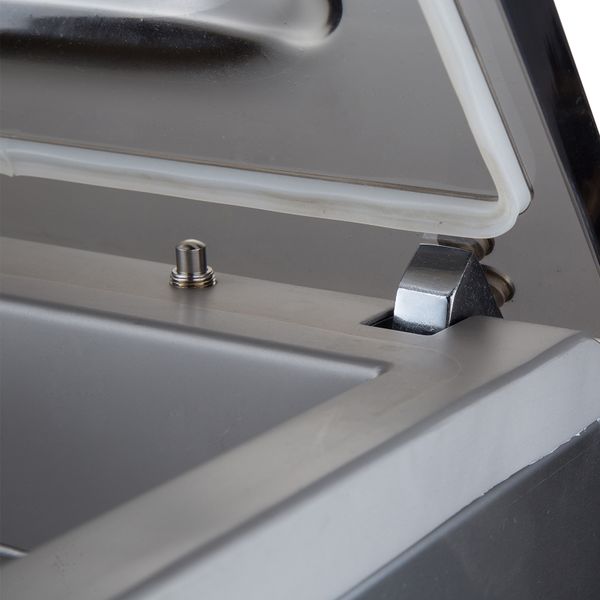
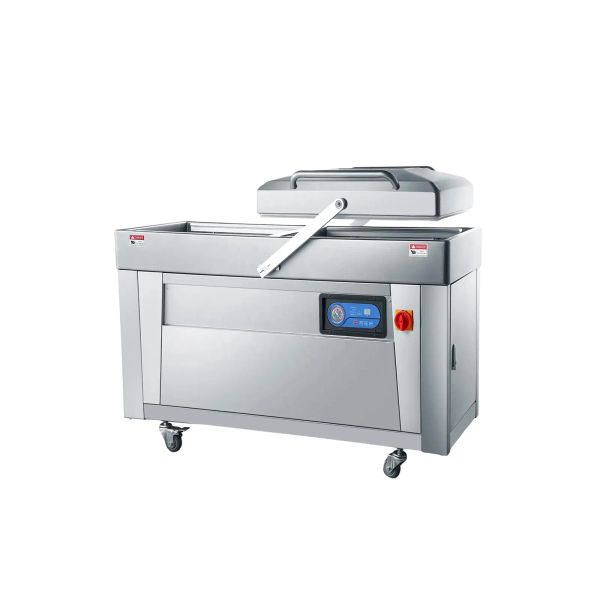
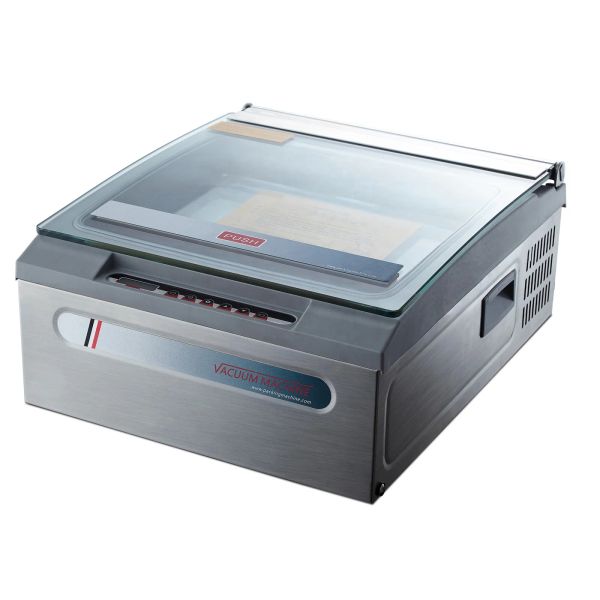
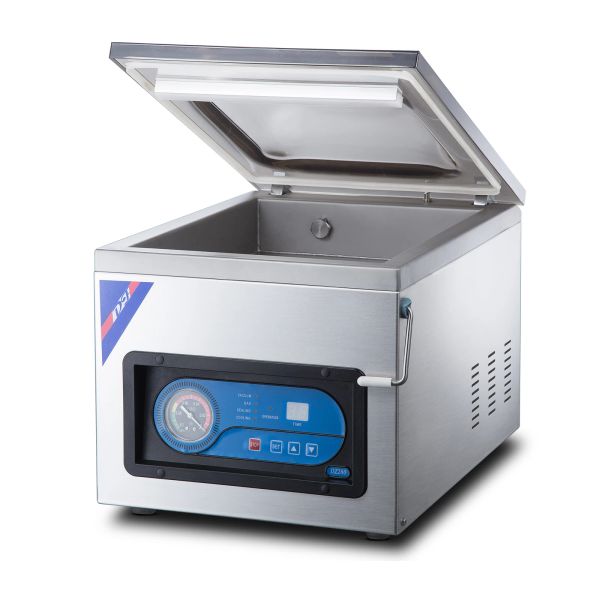
Wenzhou Dongfeng Packing Machine Factory
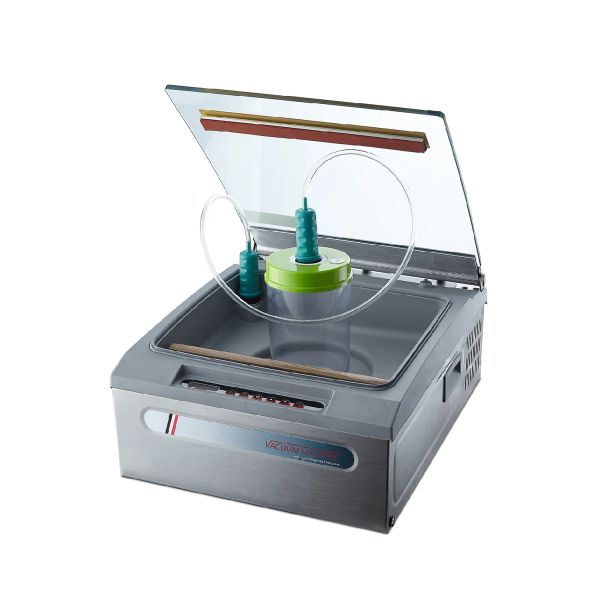
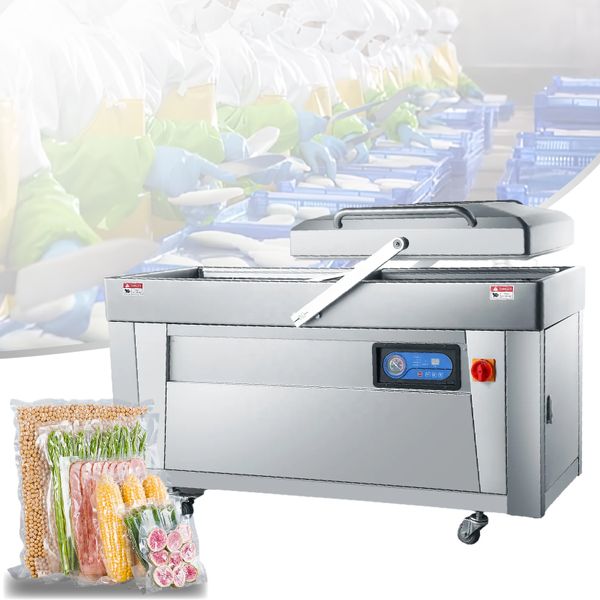
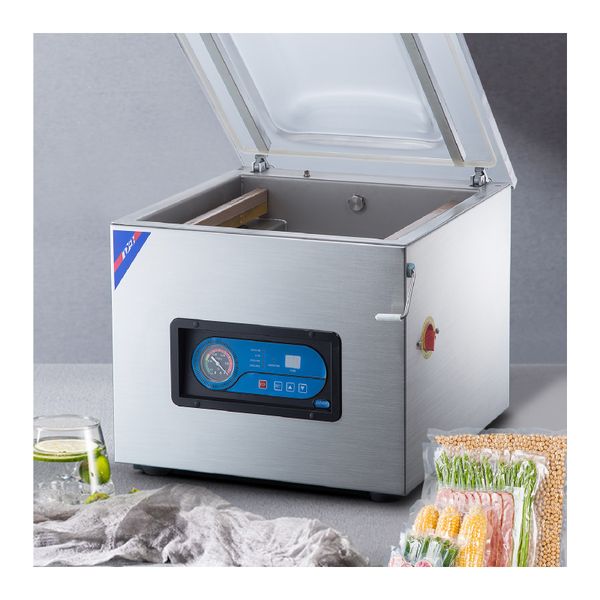
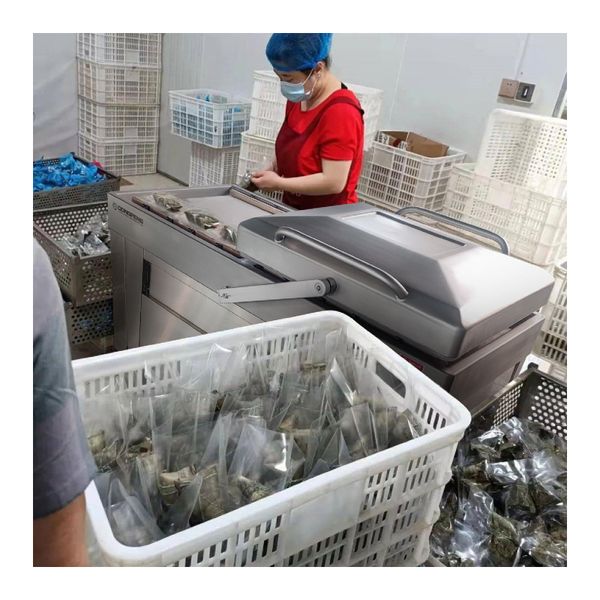
Which food packaging machine type should I choose for my product?
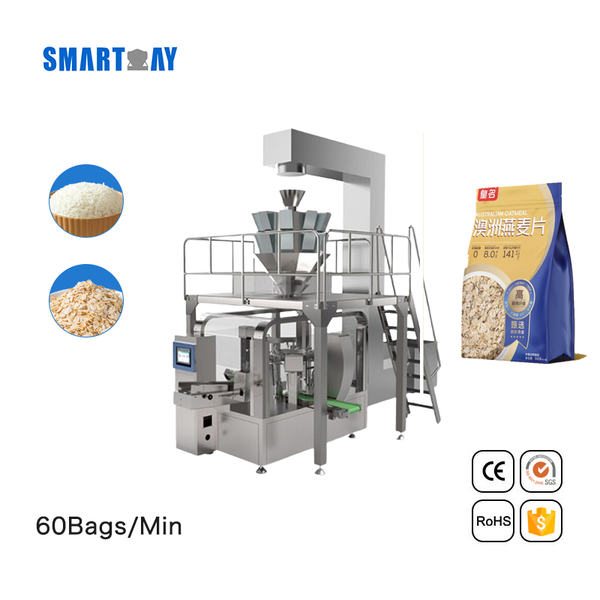
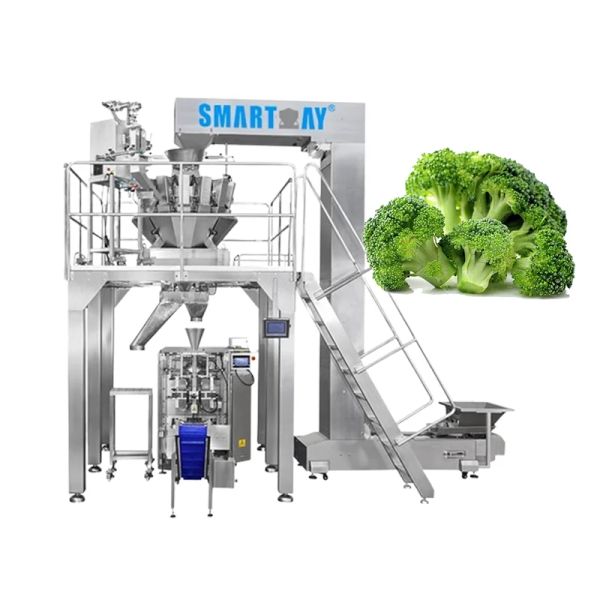
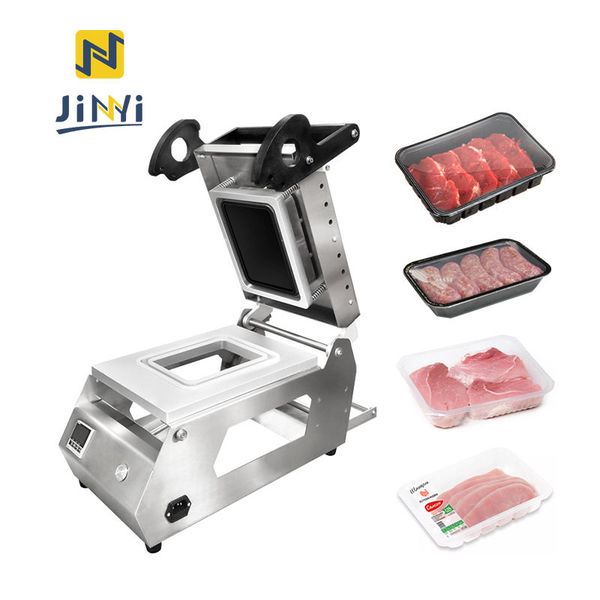
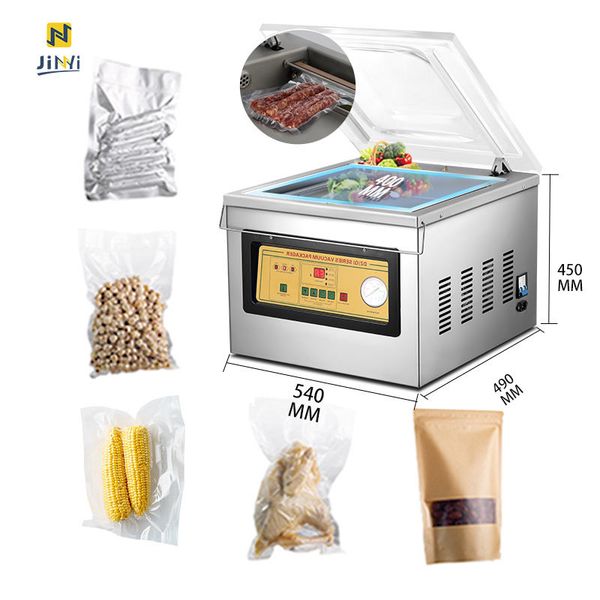
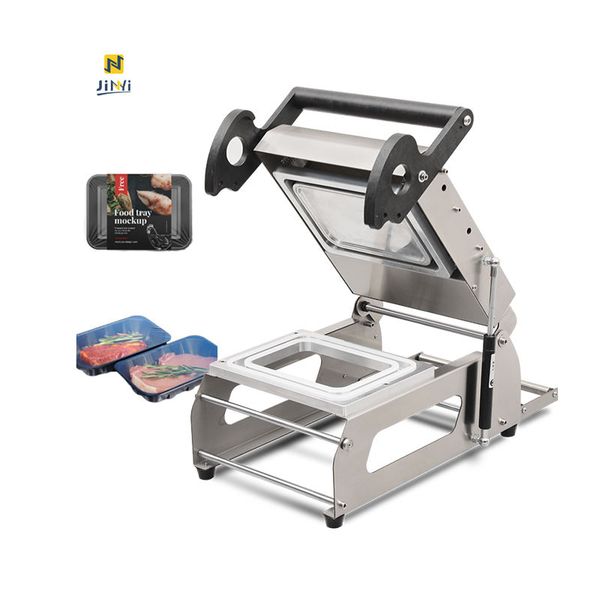
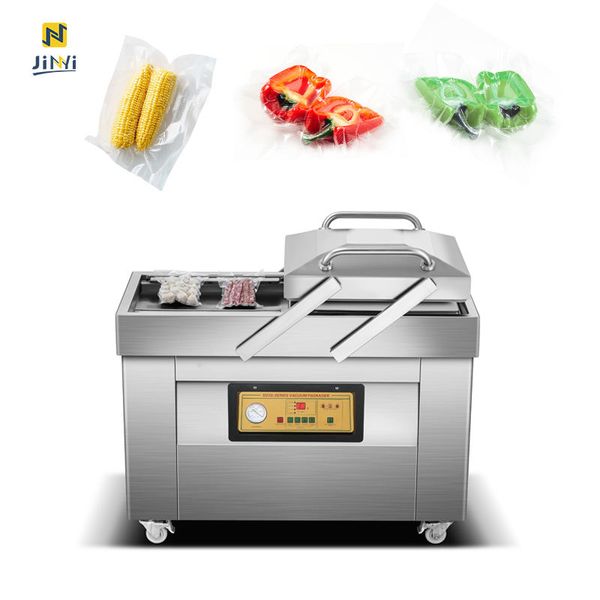
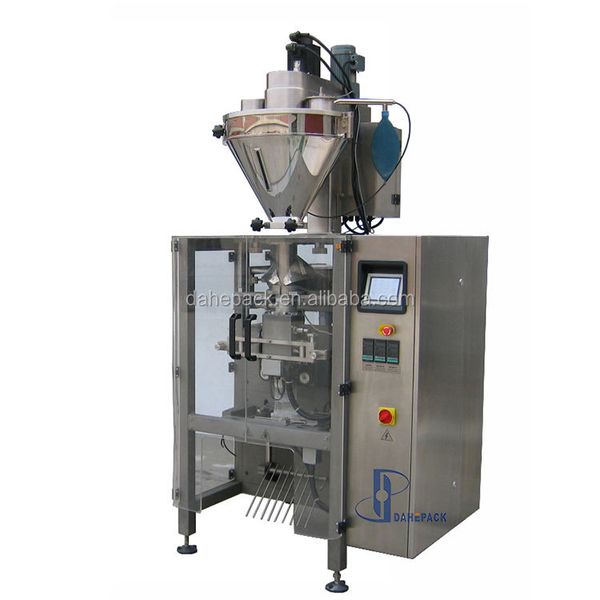
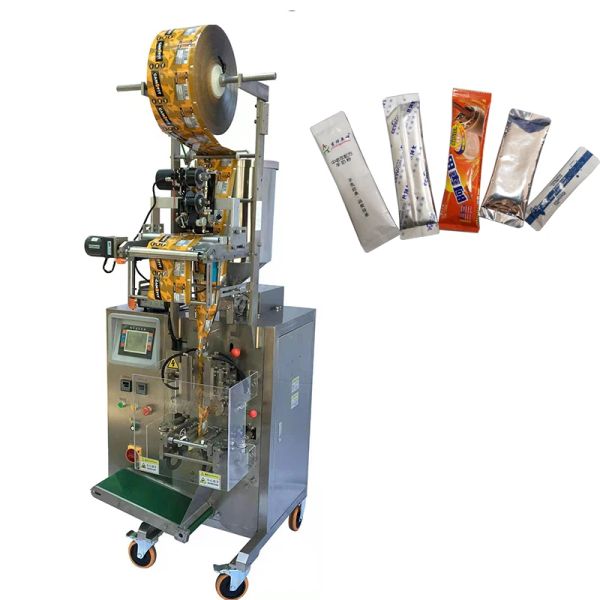
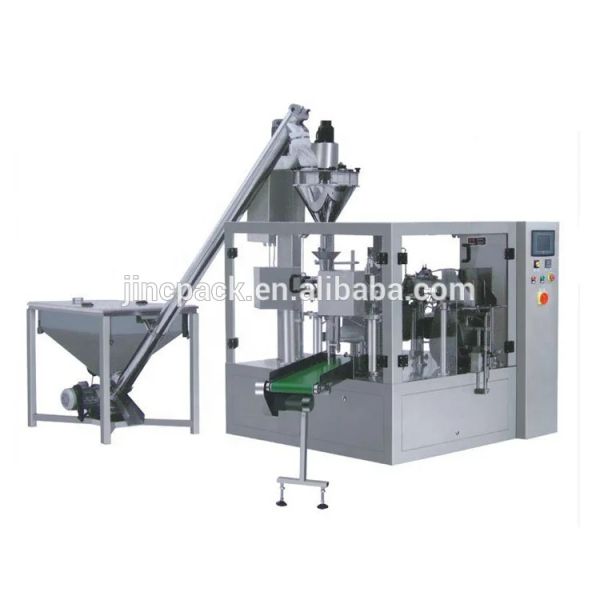
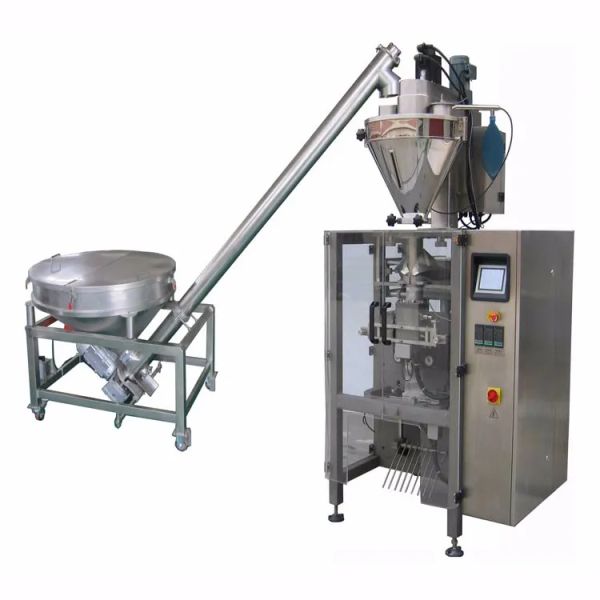
Select the machine around your product and pack format. Vertical form-fill-seal systems often suit dry products such as grains or snacks; horizontal flow wrappers are common for bars or bakery items; premade-pouch and filling systems serve other applications. Check whether the supplier offers the specific configuration you need. Share sample products and packaging materials before comparing quoted speeds, since a machine designed for one format may not support another.
Wenzhou Overseas Chinese Packing Machine Factory
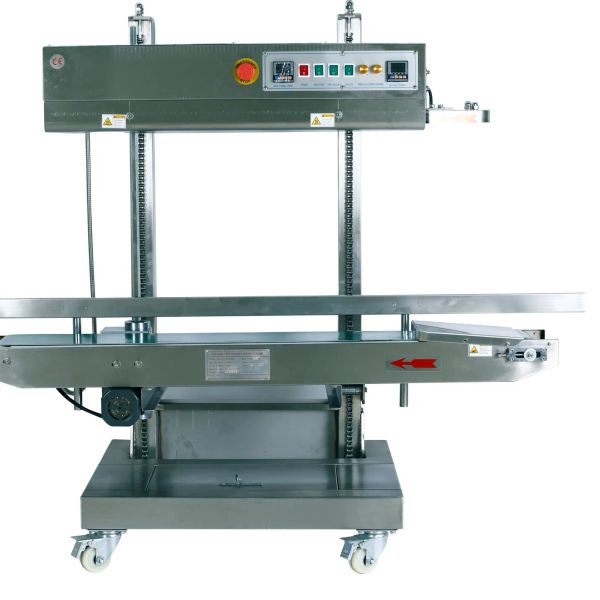
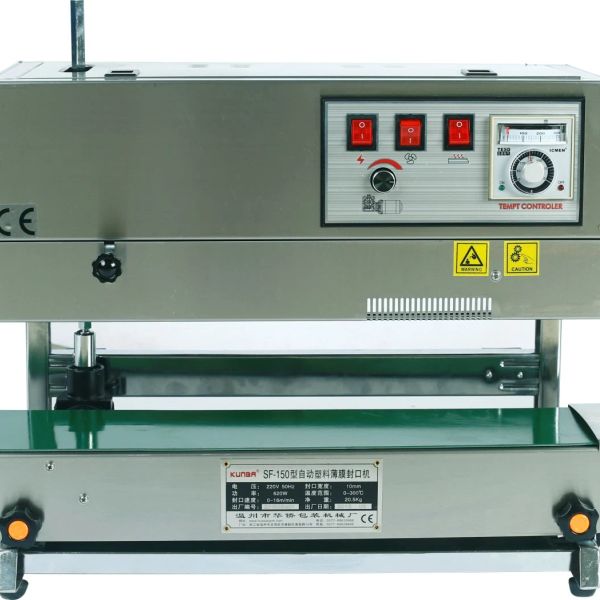
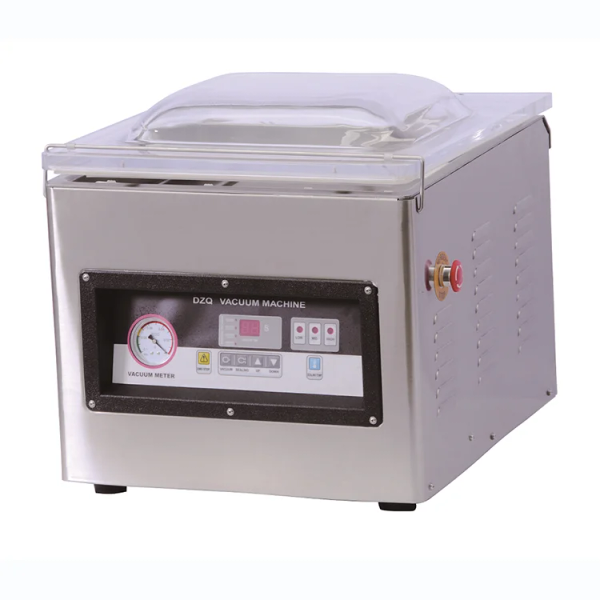
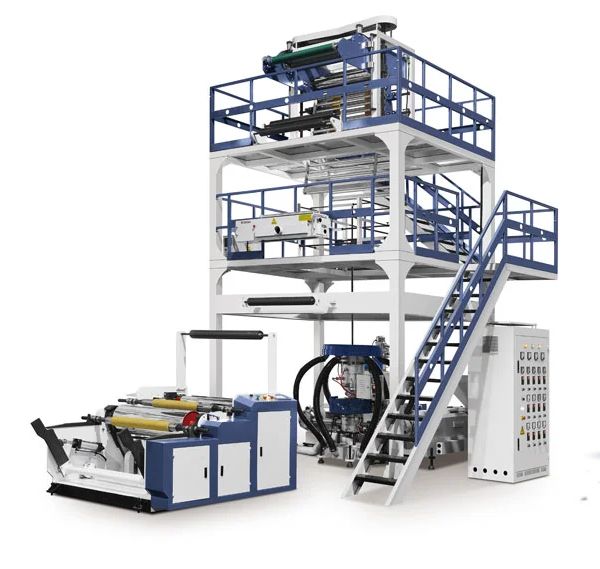

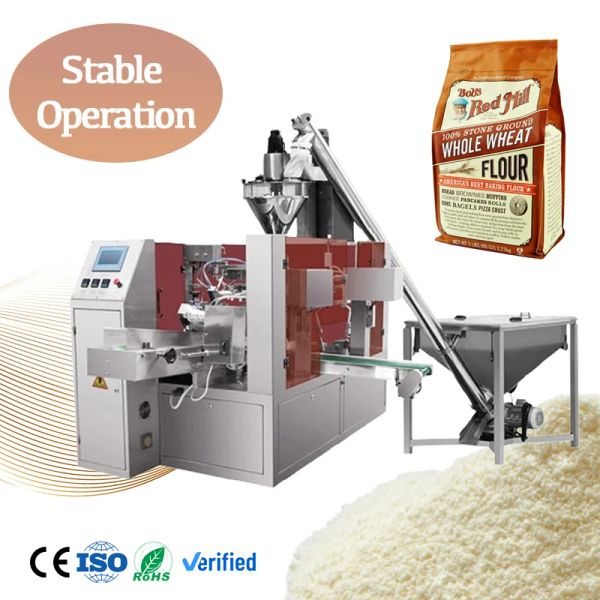
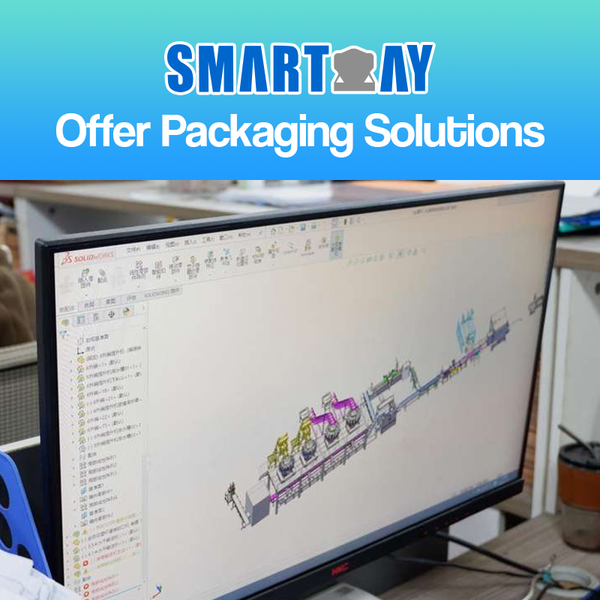
Guangdong Smart Weigh Packaging Machinery Co., Ltd.
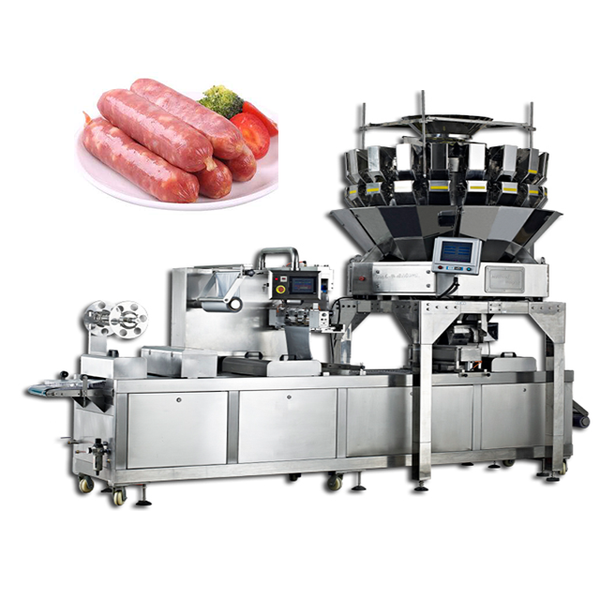
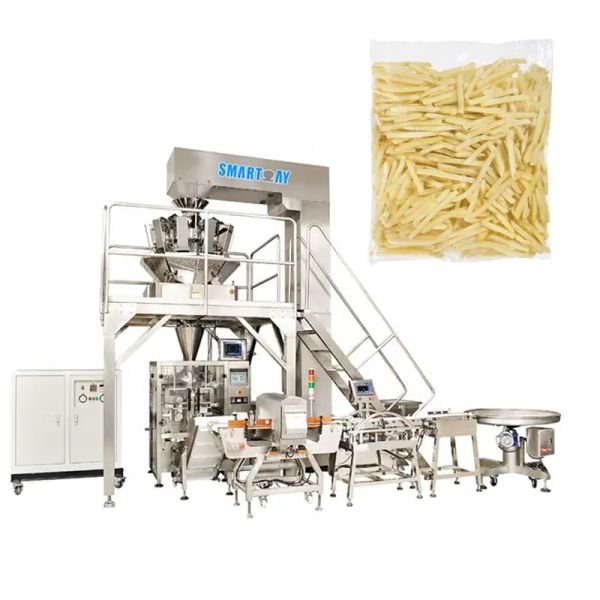

Hangzhou Jingyi E-commerce Co., Ltd.
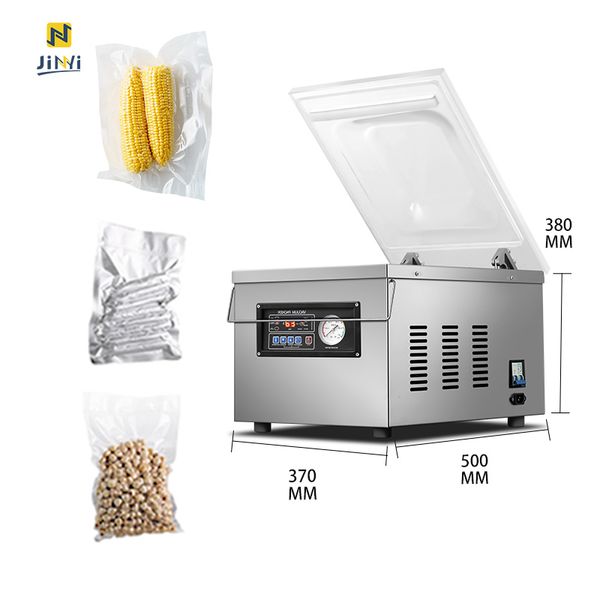
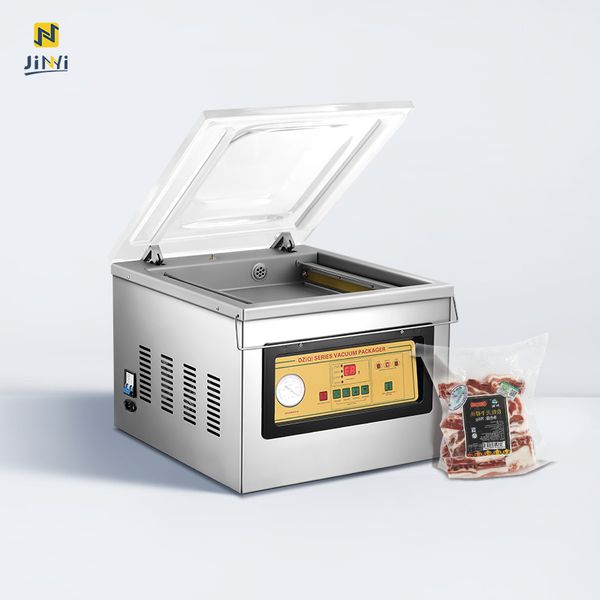
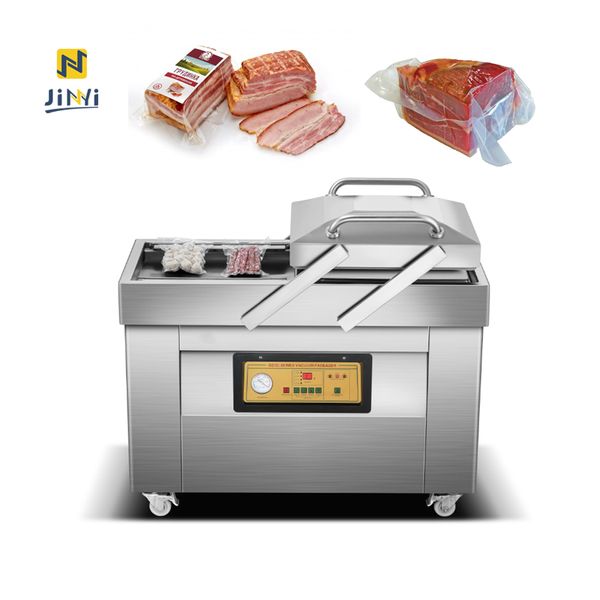
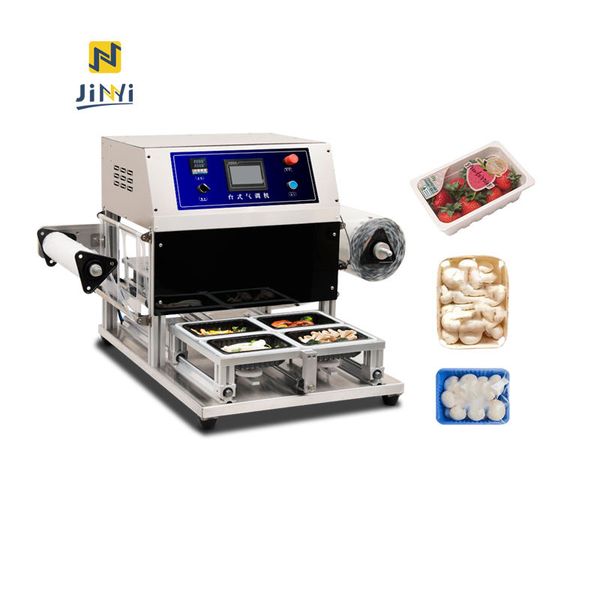

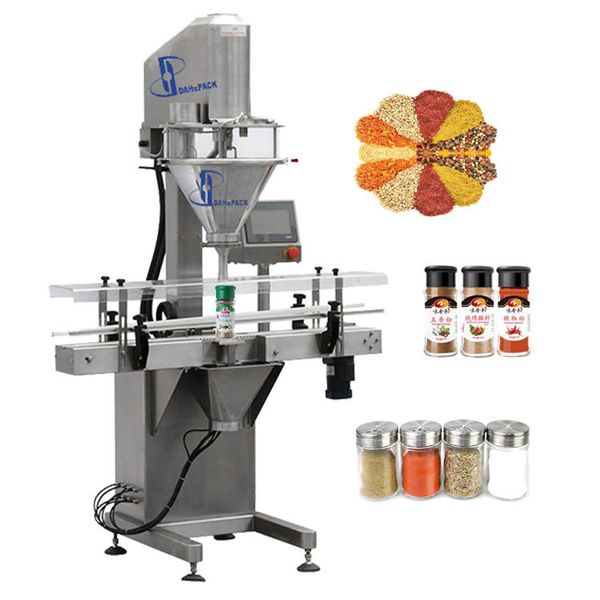
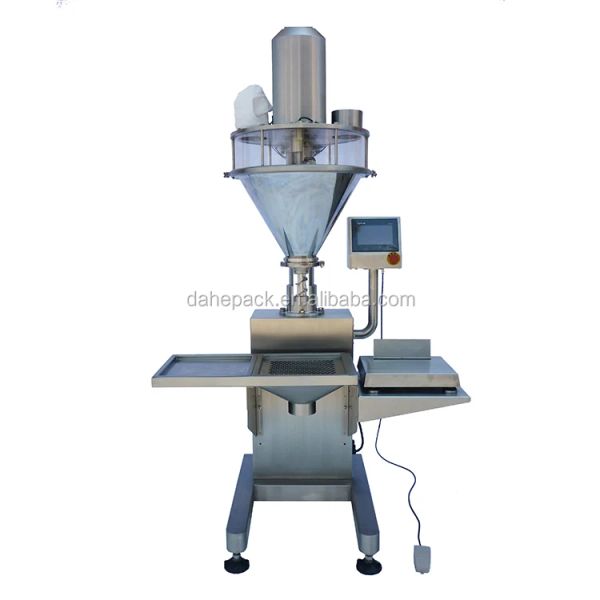
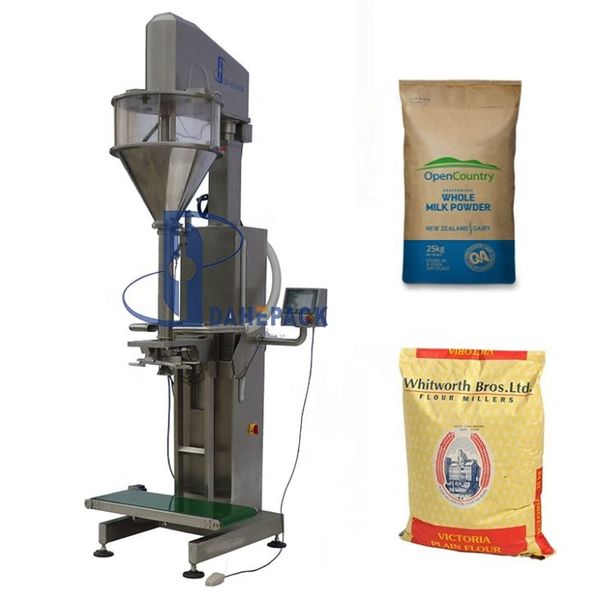
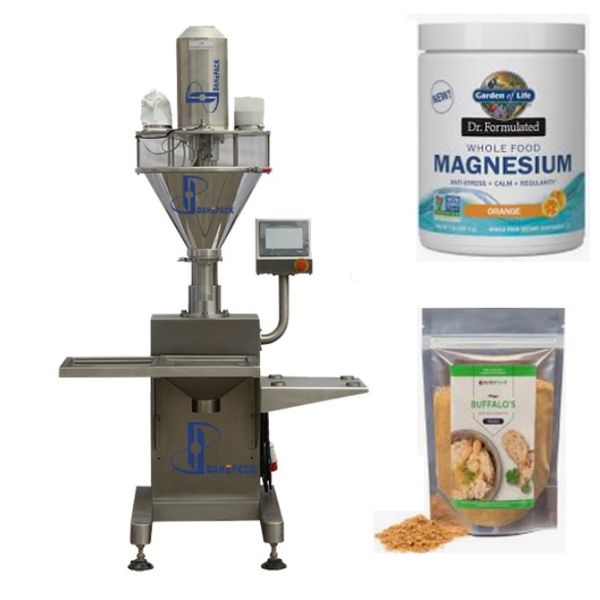
Shanghai Dahe Packaging Machinery Co., Ltd.
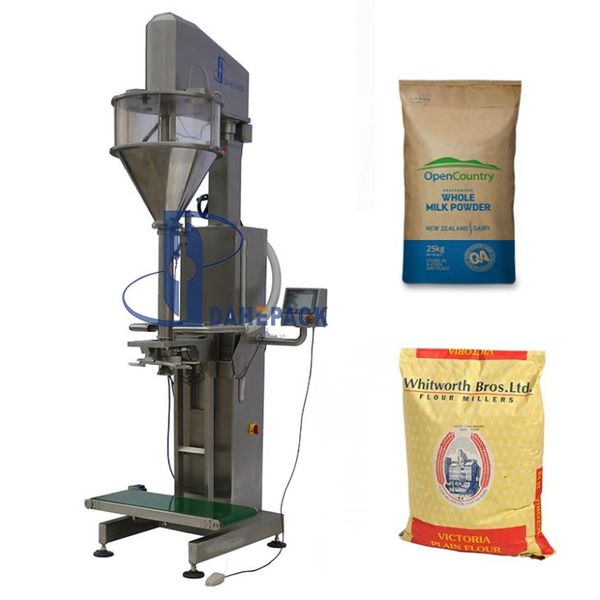
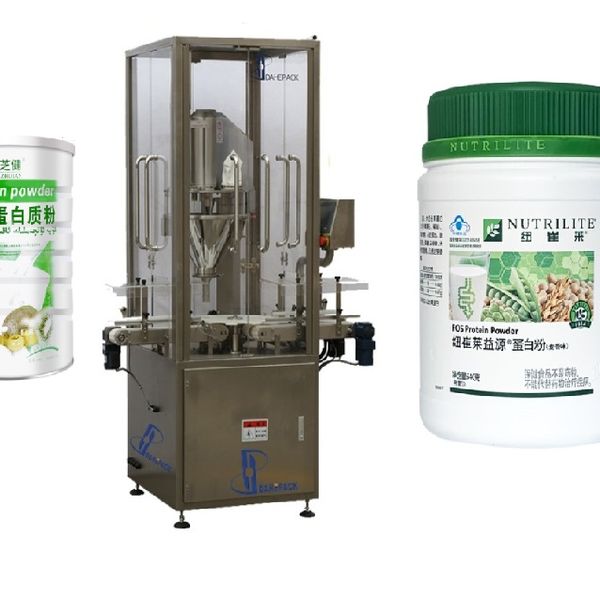

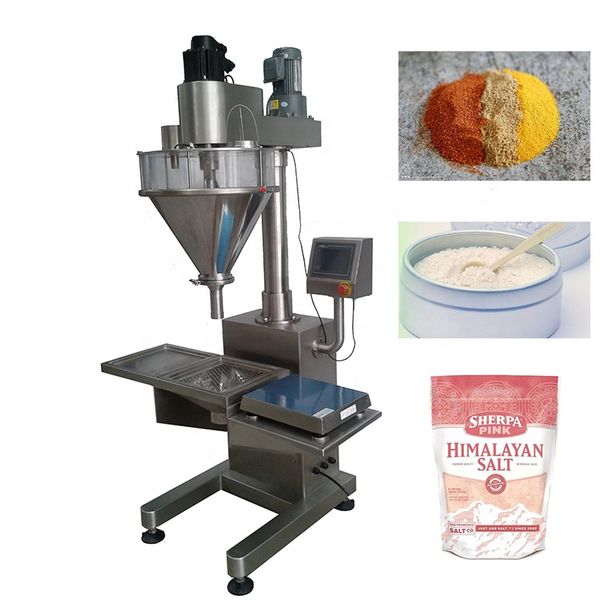

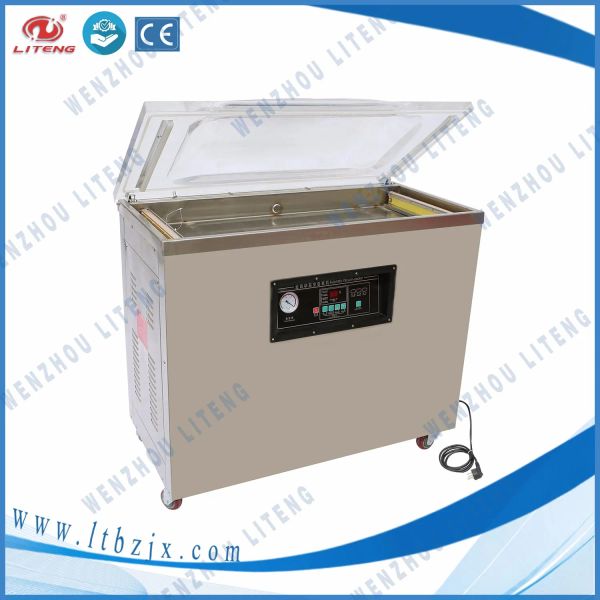
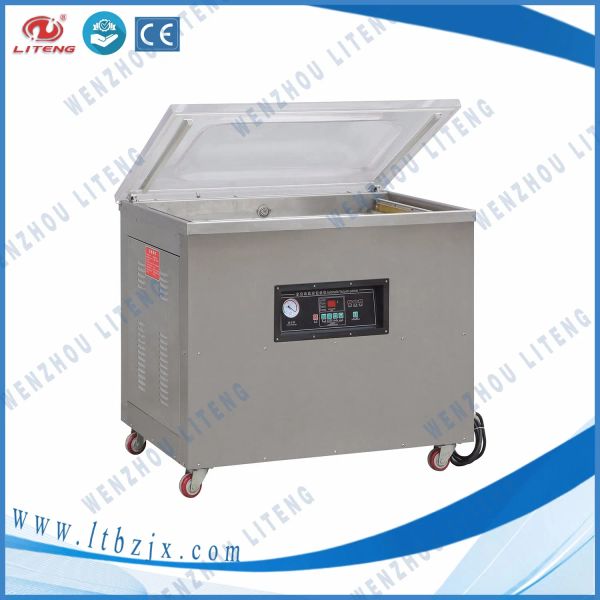
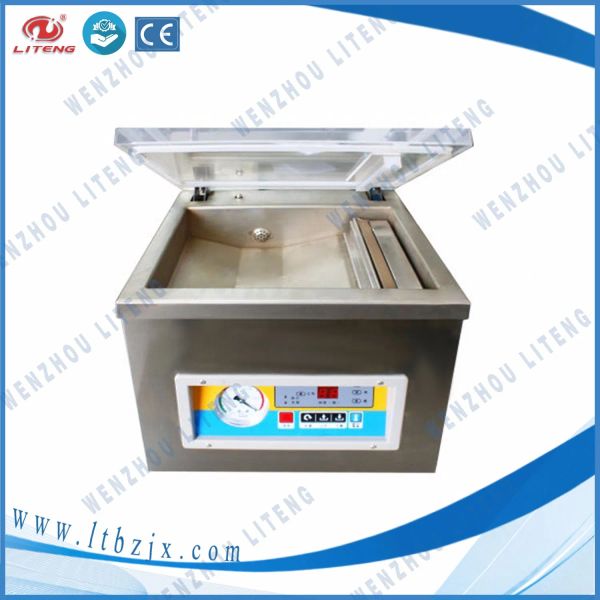
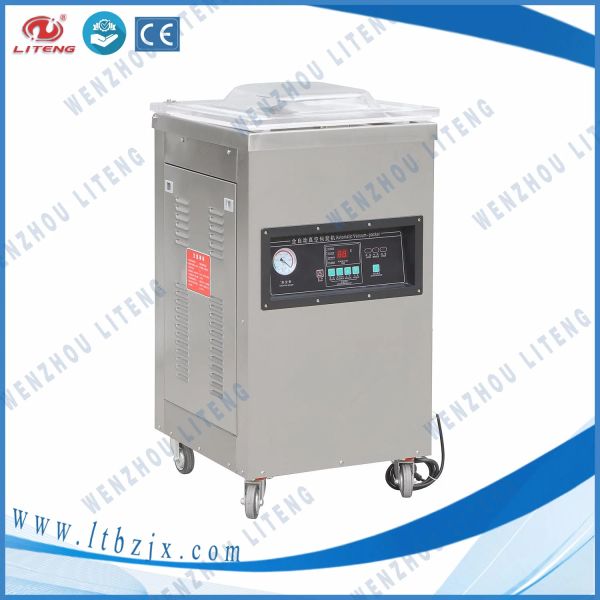
Zhejiang Liteng Machinery Manufacturing Co., Ltd.
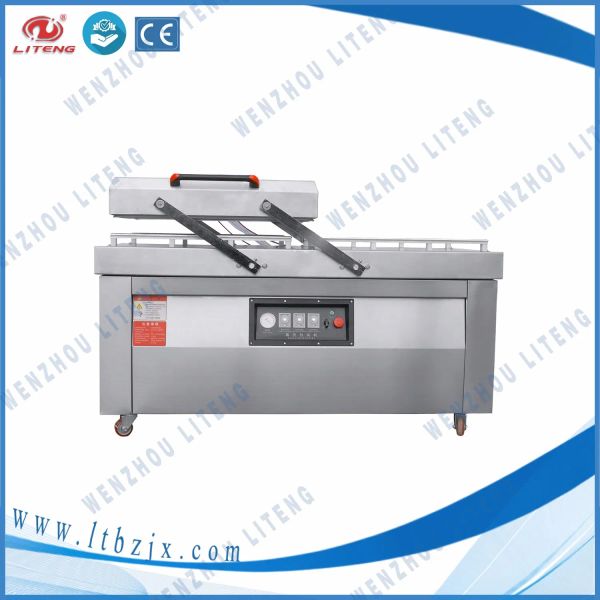
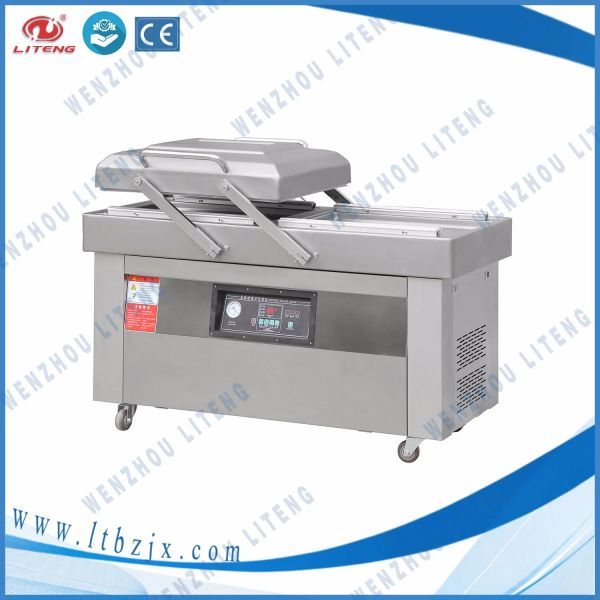
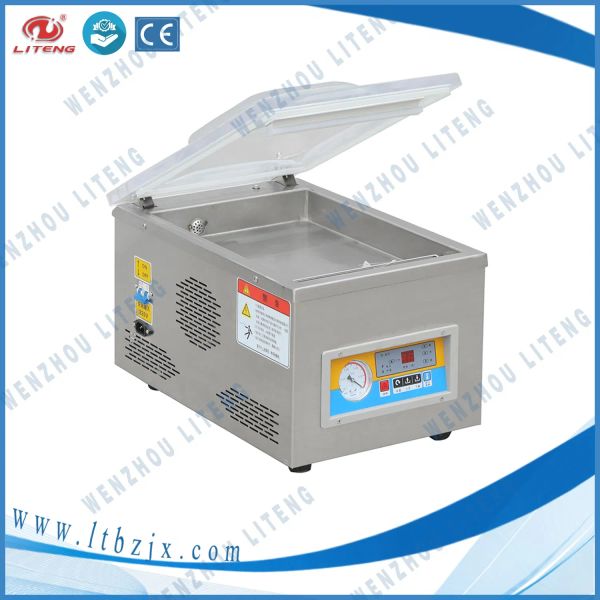
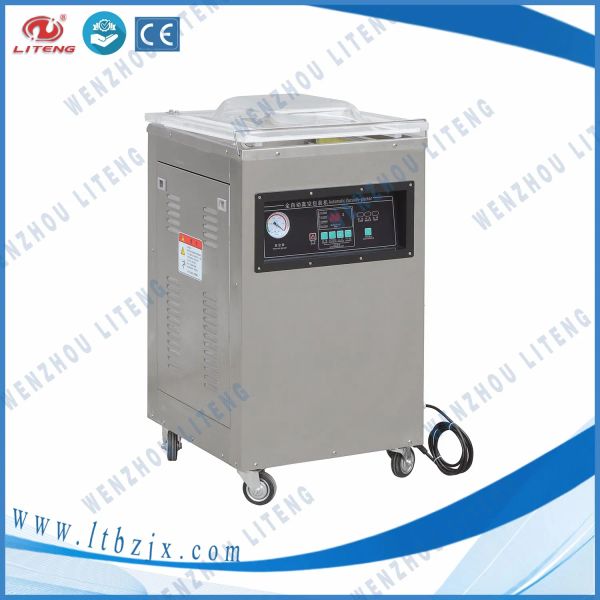
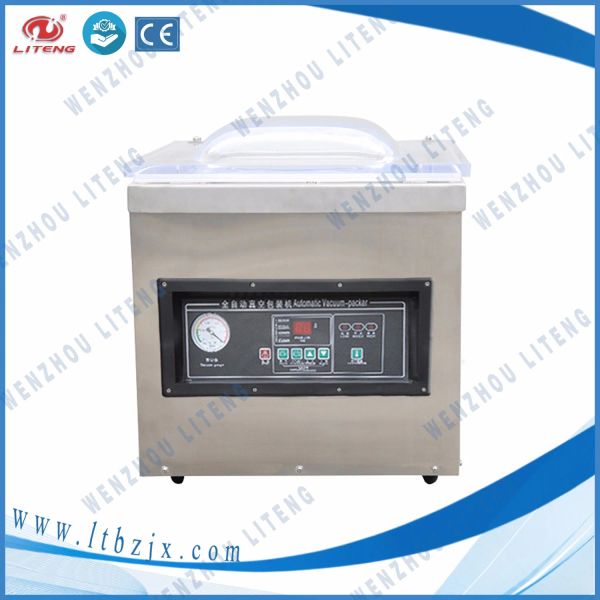
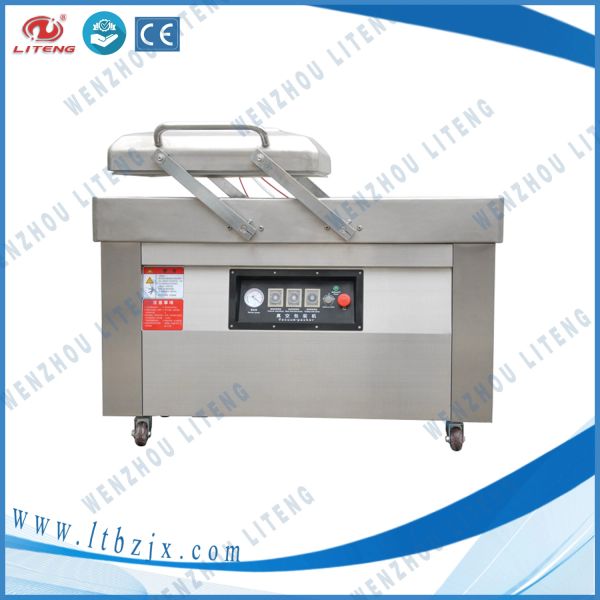
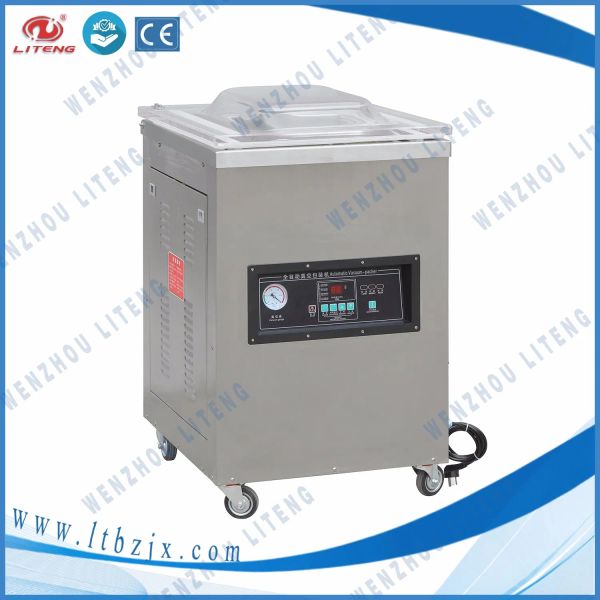

Shanghai Jinchi Machinery Co., Ltd.
FAQ
What information should I give food packaging machinery suppliers to obtain comparable quotes?
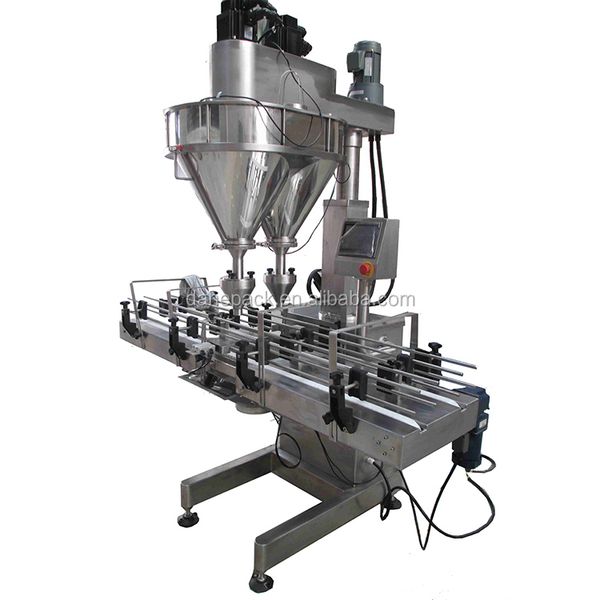
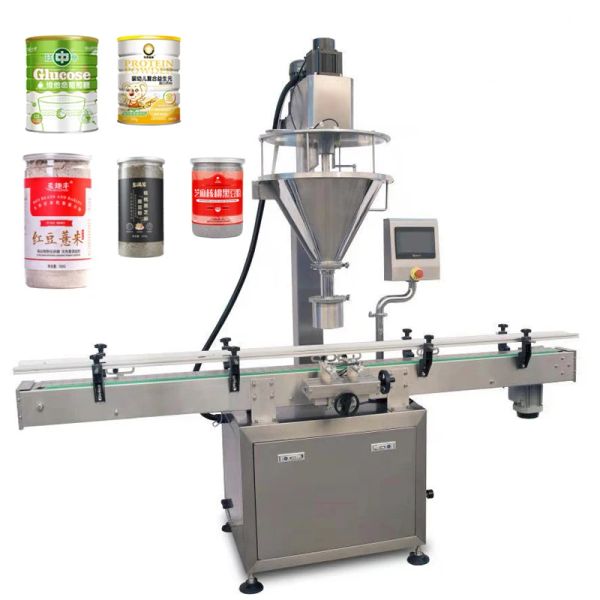
Provide product dimensions, weight or fill volume, viscosity if relevant, temperature, and expected line speed. Identify the packaging format, material, seal requirements, date coding, changeover frequency, and available factory utilities. Ask each supplier to quote the same production assumptions and list included conveyors, weighers, fillers, and inspection equipment. This prevents misleading comparisons between a standalone wrapper and a complete integrated packaging line.
How do I verify a food packaging machine's real production speed and accuracy?
Request a factory acceptance test using your product and packaging material whenever practical. Define measurable targets for packs per minute, fill accuracy, seal integrity, rejects, downtime, and changeover time. Confirm whether advertised speeds describe ideal conditions or normal operation with your product. Document the test method and acceptance criteria in the purchase agreement, then verify critical performance again after installation and commissioning at your facility.
What after-sales costs should I consider when importing food packaging machinery?
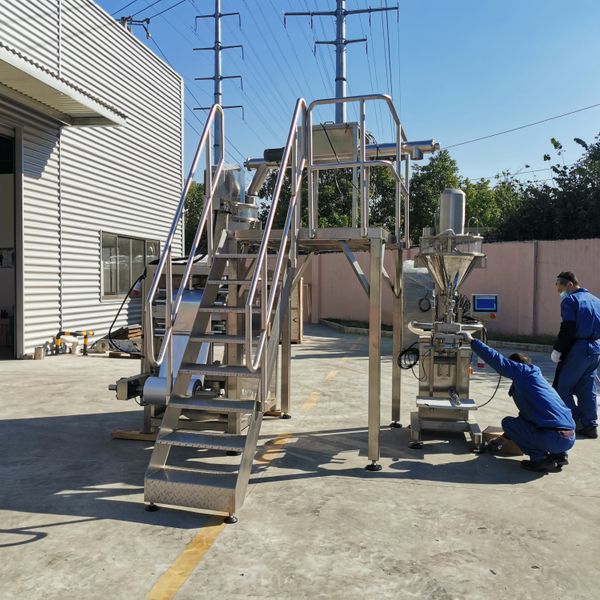
Compare more than the machine purchase price. Ask about installation, commissioning, operator training, spare parts, software, tooling, maintenance, and local technical support. Confirm remote troubleshooting options, service response times, and the availability of replacement components. Include freight, duties, and utility or line-integration work in your project budget. A lower upfront quote can be more expensive if downtime or unavailable parts interrupt production.